A circulating water fountain can make everyday drinking more appealing by keeping water moving, cooler, and less “stale” than a still bowl. For many cats (and plenty of dogs), that gentle stream becomes a daily nudge to take a few extra sips—especially helpful in homes with dry air, heated rooms, or pets that tend to ignore standing water. Below is a practical guide to how fountains help, what to look for in day-to-day use, and how to keep a 2.8L fountain running clean and safely.
Why flowing water can help pets drink more
Some pets instinctively show more interest in moving water. That’s one reason fountains can be a smart upgrade from a basic bowl, particularly for cats that “visit” water frequently but don’t drink much each time.
- Movement and gentle sound can attract curious cats and encourage frequent sips, which can add up over a day.
- Circulation helps reduce stagnation between refills, which can limit odors and make floating debris more noticeable (so it gets removed sooner).
- A larger reservoir supports multi-pet households and reduces how often you have to top off the bowl.
- Better hydration may support urinary and kidney health, especially for cats that tend to produce concentrated urine. For broader pet-care guidance, see the American Veterinary Medical Association (AVMA) pet owner resources. For cats with kidney concerns, Cornell’s overview of chronic kidney disease is a helpful reference.
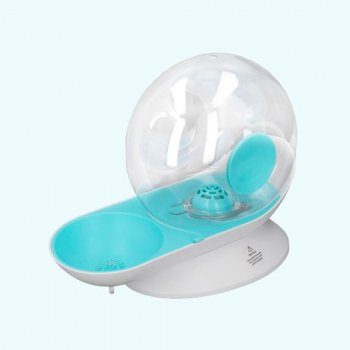
The 2.8L Automatic Pet Water Fountain is built for indoor daily hydration, with a reservoir sized to cut down on constant refilling while keeping water moving throughout the day.
- 2.8L capacity helps reduce how often the fountain needs topping up.
- Continuous circulation keeps water moving to help prevent “old water” smell and stagnant buildup.
- Best suited for indoor use for cats and small-to-medium dogs.
- Placement tip: set it on a level, non-slip surface and away from food bowls to reduce splashing and keep crumbs out of the basin.
Quick details
| Item |
Detail |
| Model |
2.8L Automatic Pet Water Fountain |
| Capacity |
2.8 liters |
| Best for |
Cats and dogs |
| Use case |
Everyday hydration with circulating water |
| Price |
$47.01 (USD) |
| Availability |
In stock |
Where fountains fit best at home
Location matters more than many people expect. A good spot makes the fountain easier to keep clean, helps shy pets feel safe while drinking, and reduces mess.
- Pick a calm area where your pet already relaxes. Heavy foot traffic can make cautious cats avoid the fountain.
- Avoid direct sunlight and warm appliances to slow algae growth and keep water cooler.
- Use a waterproof mat to catch drips and protect floors—especially on wood or laminate.
- Secure the cord and keep it out of chewing range. Route cables along walls or behind furniture so there’s less temptation to tug or play.
Cleaning and maintenance routine
Fresh flow only stays fresh with simple upkeep. The goal is to prevent biofilm (that slick layer) from forming in the bowl and inside pump parts, where it can reduce flow and create odor.
Simple upkeep schedule
| Task |
How often |
What to watch for |
| Refill and quick rinse |
Daily |
Low water level, floating debris |
| Full wash of basin and spout |
Weekly |
Biofilm, slick surfaces, odor |
| Pump disassembly and scrub |
Every 2–4 weeks |
Reduced flow, noise, vibration |
| Filter replacement |
Per manufacturer guidance (often monthly) |
Cloudy water, tastes/odors, slower flow |
- Daily: top off the water and remove any hair, dust, or kibble that lands in the basin.
- Weekly: wash the bowl and accessible parts with mild soap, then rinse thoroughly so no residue remains.
- Every 2–4 weeks: deep-clean the pump components. The impeller area is a common place for slime buildup, which can quickly turn a quiet fountain into a noisy one.
- Filter care: replace filters on schedule, and sooner if water starts to smell, looks cloudy, or the stream slows.
- Choose pet-safe cleaning methods: avoid harsh chemicals that can leave fumes or lingering taste that discourages drinking.
Noise, flow, and power tips
Most “fountain problems” are really water-level or pump-cleaning problems. A few habits keep things steady and quiet.
Hydration tips for picky drinkers
- Introduce gradually: place the fountain near the old bowl for a few days, then move it to the long-term location once your pet approaches comfortably.
- Offer multiple water stations in multi-story homes or for multi-pet households to reduce “resource guarding” and make water convenient.
- Keep water cool and fresh: frequent top-offs can matter as much as the fountain itself, particularly in warm months.
- Watch for big changes: dramatic increases or decreases in drinking can be a medical sign. For dog-specific dehydration background, VCA’s overview of dehydration in dogs is a useful baseline, but a veterinarian should guide diagnosis and care.
Shop related picks (in stock)
FAQ
Can you leave a pet water fountain on all the time?
Yes, most fountains are designed for continuous operation, but it’s important to check the water level daily so the pump stays submerged. Keep the fountain clean to prevent buildup, and periodically feel the base for unusual heat or listen for new noises that suggest the pump needs cleaning or the water is too low.
Are filters necessary for a pet water fountain?
Filters help trap hair and debris and can improve taste and odor, especially in multi-pet homes or areas with hard water. A fountain can run without a filter if it’s cleaned more frequently, but filters generally make water quality easier to maintain and should be replaced on schedule to avoid reduced flow.
Recommended for you













Leave a comment