
A curved wall can make a living room feel architectural and custom—if the decor follows the flow instead of fighting it. Start by treating the curve as a focal line, then choose a few elements that echo that shape: rounded silhouettes, arched accents, and lighting that “washes” the wall to highlight its contour. These creative ideas for Decorating a Curved Living Room Wall will help you maximize the potential of your unique space.
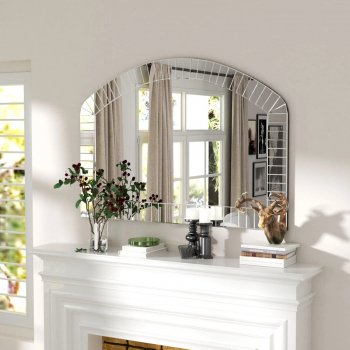
Instead of scattering small frames along a bend, choose one strong piece that’s sized to read clearly from across the room. An arched wall mirror is a natural fit because it repeats the curve and adds depth by bouncing light around the space. For guidance on finding the right height and placement, see this arched decorative wall mirror placement and style guide.
Keep bulky, boxy pieces from hugging the curved wall too tightly. If seating must sit nearby, leave a few inches of breathing room so the curve doesn’t feel cramped. Round coffee tables, oval side tables, and curved-back accent chairs help the room feel cohesive without forcing every item to match.
If you want multiple pieces on the curved wall, avoid perfectly aligned rows (they can look warped on a bend). Try a clustered arrangement with consistent spacing, or lean larger art on a console beneath the curve. Mixing one vertical piece (like a mirror) with two or three supporting items keeps the wall styled but not busy.
Curves look best with light that grazes them. Add a floor lamp that throws light upward, a picture light over art, or wall sconces placed symmetrically along the curve if wiring allows. Warm, diffused lighting highlights the contour and reduces harsh shadows.
Let the wall’s shape do the heavy lifting. A calm paint color, a subtle limewash finish, or a textured accent (like slats or plaster) can elevate the curve without competing with it. Repeat that texture elsewhere—pillows, a rug, or a woven basket—to make it feel intentional.
Grazing light works best—think sconces, uplights, or a floor lamp that washes the wall. Soft, warm bulbs help the curve look smooth and inviting rather than shadowy.
These creative ideas for Decorating a Curved Living Room Wall will help you maximize the potential of your unique space.
Now that you have a foundation, explore specific techniques for Decorating a Curved Living Room Wall that will enhance the unique shape of your space.
When it comes to Decorating a Curved Living Room Wall, starting with the right inspiration can make a significant difference. Look at various styles and themes that resonate with you, such as modern, bohemian, or minimalist. Consider creating a mood board with images that reflect the aesthetic you envision for your space. This will help you visualize how different elements work together as you cultivate a cohesive look.
Remember, Decorating a Curved Living Room Wall requires a thoughtful approach to ensure each element harmonizes with the curvature.
Furthermore, consider the importance of scale when decorating a curved wall. Selecting furniture and decor items that are proportionate to the size of the wall can significantly enhance its impact. Oversized art pieces or large furniture can create a dramatic effect, while smaller items may get lost and fail to capture attention. Balance is key; ensure that each piece contributes to the overall visual narrative without overwhelming the space.
Ultimately, the journey of Decorating a Curved Living Room Wall is about creativity and personal expression. Allow your style to shine through in the details—from the choice of art to the selection of color palettes. Your living room is a reflection of who you are, and every piece you choose should resonate with your individuality and lifestyle. Embrace the challenges that come with a curved wall as opportunities to create a uniquely beautiful space that you and your guests will love.
Also, don’t forget the potential of seasonal decorations. Changing decor with the seasons can breathe new life into a curved wall. During the fall, consider adding warm-toned fabrics and decorations, while spring could see the introduction of bright colors and floral accents. This dynamic approach keeps your living room feeling fresh and aligned with nature’s rhythms.
Additionally, consider the functionality of the space. A curved wall can be a fantastic feature for creating distinct zones within an open-concept living area. For example, you can use the wall to delineate a reading nook with a plush chair and a small side table, creating a cozy retreat within the larger room. This approach not only utilizes the wall effectively but also enhances the overall flow of the space.
Plants are an excellent way to add life and texture to your curved wall. Choose tall, slim plants like snake plants or fiddle leaf figs to add height without overwhelming the shape of the curve. Alternatively, hanging plants can draw the eye upward and create a beautiful cascading effect along the wall. Consider using decorative planters that complement the decor of your room, ensuring that they resonate with the colors and styles present in your furnishings.
Another way to enhance a curved wall is by using wallpaper or wall decals that play off its unique shape. A bold patterned wallpaper can serve as a stunning backdrop, while removable decals allow for more flexibility and experimentation. Choose designs that harmonize with the overall theme of your living room, ensuring that they enhance rather than detract from the curve’s natural elegance. A whimsical mural can create an enchanting atmosphere, especially in a child’s play area or a creative space.
Curved walls often have limited space for traditional shelving, but floating shelves can be a perfect solution. They provide a means to display decorative items, books, or personal photos while respecting the curve of the wall. Arrange the shelves in a way that complements the shape; for example, a staggered arrangement can mimic the curve and create visual interest. This not only maximizes storage but also offers an opportunity to showcase items that reflect your personality and style.
Textiles are essential in softening any room, and they’re particularly effective in a space with a curved wall. Consider using a large area rug that follows the curve of the wall to anchor the seating area. This can create a visual barrier between the living area and any adjoining spaces. Additionally, throw pillows and blankets can bring warmth and texture, making the room feel inviting. Choose fabrics that coordinate with your color scheme and enhance the overall aesthetic, such as velvet for a luxurious feel or cotton for a more casual vibe.
While a curved wall may seem challenging for arranging furniture, embracing symmetry can create a balanced look. Place two identical chairs on either side of the wall, creating a sense of harmony that draws the eye along the curve. You can also use a symmetric coffee table or ottoman as a central element, which helps ground the space. This arrangement makes the curve a focal point while still allowing for comfortable and functional use of the area.
These tips are essential for anyone interested in Decorating a Curved Living Room Wall.
These tips are essential for anyone interested in Decorating a Curved Living Room Wall.











Leave a comment