
A crystal chandelier can function as both your primary overhead light and your room’s most eye-catching finish—adding sparkle, dimension, and a tailored look that feels intentional day or night. The best results come from getting a few practical details right: proportion, placement, crystal quality, and the type of light you want in each space. Below are straightforward guidelines for living rooms, bedrooms, and dining areas, along with care tips to keep crystals looking crisp and luminous. For more guidance, see What kind of bed should I get for my dog with arthritis?.
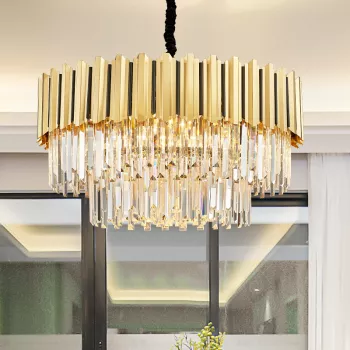
Modern luxury tends to read as structured rather than fussy. Look for streamlined frames (round, linear, or tiered silhouettes) that use crystal to add sparkle without turning the fixture into visual clutter. Finishes like polished chrome, satin nickel, matte black, or warm brass can shift the chandelier from “glam” to “architectural” instantly. For further reading, see Best Dog Beds – Consumer Reports.
Crystal multiplies points of light—great for presence, but it also means the same bulb can feel brighter than it would in a simple shade. Prioritize the right lumen output and bulb type, and consider guidance from ENERGY STAR’s LED lighting resources when choosing efficient, high-quality bulbs.
Crystal reads “heavier” than metal alone because it catches attention from across the room. In spaces with lower ceilings or dense furniture, a slightly smaller chandelier (or a tighter silhouette) can feel more expensive than an oversized fixture that crowds the room.
Coordinate the chandelier finish with nearby hardware—door handles, cabinet pulls, mirror frames, and even furniture legs. Matching is safe, but tasteful contrast can look equally polished (for example: matte black hardware with a crystal-and-chrome chandelier for a crisp, modern edge).
If there’s a main seating zone, centering the chandelier over that area usually feels best. In open-concept rooms, aim for the visual center of the living space rather than the exact middle of the entire floor plan. Keep comfortable head clearance in walkways, and account for ceiling fans if they share the room.
Bedrooms often benefit from a chandelier that’s centered to the bed (especially if the bed is the obvious focal point). If the layout is asymmetrical—like a corner bed or a strong seating nook—centering to the room may look cleaner. Avoid low hangs near wardrobes or spots where someone might stand on the bed for linens.
Dining rooms are the classic chandelier moment: center the fixture over the table, size it to the tabletop, and hang it low enough to create intimacy while keeping sightlines clear. Dimming is especially valuable here, letting you switch from bright family meals to soft ambient light in seconds. For broader lighting planning, the Illuminating Engineering Society (IES) offers foundational lighting principles used across residential and commercial design.
| Space | Suggested chandelier diameter | Typical hanging height |
|---|---|---|
| Dining (above table) | About 1/2 to 2/3 of table width | Bottom of fixture ~30–36 in above tabletop (standard ceilings) |
| Living room (general) | Room width + length (ft) ≈ diameter (in) guideline; adjust for visual weight | Maintain comfortable head clearance; higher for open walkways |
| Bedroom (general) | Scale to bed and room footprint; avoid oversized in tight layouts | Higher than dining setups; avoid low hangs near traffic paths |
Let the crystal do the talking: neutral walls, simple window treatments, and matte accents keep the chandelier from feeling ornate. This pairing works especially well when the chandelier silhouette is geometric and the room has clean-lined furniture.
Crystal doesn’t have to feel cold. Pair it with brass or gold tones, warm white bulbs, and wood finishes to create a cozy “boutique hotel” vibe. If you’re building a consistent luxury story through the home, coordinating metallics across rooms can be impactful—consider pairing lighting updates with a statement bath upgrade like the Luxury Gold Ceramic Bathroom Sink.
Black, white, and chrome/silver create strong contrast that makes crystal reflections look sharper. This style often benefits from disciplined editing: fewer decor items, stronger shapes, and a chandelier that’s bold but not overly intricate.
Even a beautiful chandelier shouldn’t be the only light source. Add wall sconces, a floor lamp near seating, or subtle accent lighting. Then you can dim the chandelier for mood while keeping task areas comfortably bright.
If you want a single standout fixture that can elevate a living room, bedroom, or dining area, a crystal-forward design is a reliable upgrade because it enhances both daytime presence and nighttime reflections. For a cohesive, modern look that suits multiple spaces, explore the Modern Luxury Crystal Chandelier for Living Room, Bedroom, and Dining Spaces. Pair it with dimmable bulbs and supplement with sconces or lamps so you can shift between functional brightness and relaxed ambiance without losing the chandelier’s signature sparkle.
Focus on clarity, cut quality, and consistent faceting. High-clarity crystal with precise cuts produces stronger sparkle and cleaner refractions, and it tends to look brightest under warm, dimmable light.












Leave a comment