
A self-cleaning litterbox can reduce daily scooping, help control odors, and make litter maintenance more consistent—especially in busy households or multi-cat homes. This guide covers what matters most (space, noise, litter compatibility, cleaning routine, and safety) and how the Ultimate Self-Cleaning Cat Litterbox fits into a practical, low-mess setup. For more guidance, see Best Cat Litter Boxes – Consumer Reports.
The biggest day-to-day shift is consistency. Instead of waste sitting until the next scoop, a self-cleaning box can remove clumps soon after your cat exits, which often helps a room smell fresher. For further reading, see Litter Robot Top Self Cleaning Litter Boxes Litter … – Ardmore Rotary.
For behavior and environment best practices (like placement, accessibility, and minimizing stressors), the AAFP/ISFM feline environmental needs guidelines offer a helpful framework.
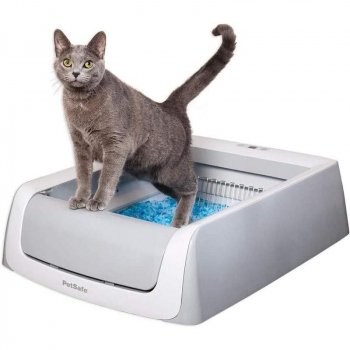
The Ultimate Self-Cleaning Cat Litterbox is built to automate waste collection after your cat uses it, reducing the need for constant scooping and helping keep the litter area looking tidier between cleanups.
| Question | What to look for | Why it matters |
|---|---|---|
| Will the litterbox sit near sleeping areas? | Lower noise and stable placement | Reduces disruptions for people and pets |
| Does the cat startle easily? | Gentle movement and a quiet spot | Helps adoption and reduces avoidance |
| Multiple cats using one box? | Easy waste-bin emptying and steady odor control | Prevents overflow and odor buildup |
| Limited space? | Measured footprint and entry access | Avoids cramped placement that cats may reject |
| Sensitive to odors? | Frequent waste removal + sealed waste container | Helps keep the room fresher between cleanings |
Self-cleaning boxes can be a strong match for certain homes—especially when cleanliness needs to stay consistent even on hectic days.
Choose a quiet, low-traffic corner where your cat can approach and exit without feeling trapped. Avoid tight dead-ends, noisy laundry machines, and spots where a curious dog can “ambush” the doorway.
Keep the litter type your cat already accepts whenever possible. Many litterbox issues start when multiple changes happen at once (new box, new litter, new location). If you want to test a new litter, do it after your cat is confidently using the new box.
A cleaner litter area often comes down to the surrounding setup, not just the box. If you’re building out a dedicated “pet hygiene corner,” pairing a reliable litter routine with a practical wash-up space can make weekly cleaning faster. Some households even prefer installing a durable utility-style sink nearby for rinsing mats or washing hands after maintenance—options like the Luxury Gold Ceramic Bathroom Sink can be part of a more permanent refresh if you’re already renovating a laundry room or mudroom.
Many cats adjust in a few days, but a cautious or noise-sensitive cat may take a few weeks. A gradual transition—keeping the old box temporarily and letting the cat explore without forcing—usually improves acceptance.
Often, yes—more frequent waste removal typically reduces lingering odor. Results still depend on litter type, room ventilation, how well the waste container seals, and how consistently the waste compartment is emptied.
Check it daily and empty it before it overfills. The right cadence depends on how many cats use the box and how heavily it’s used; overflow can increase odor and may interfere with the cleaning cycle.











Leave a comment