HomeBlogBlogCamping Cookware Kit: Packable Gear for Easy Meals

Camping Cookware Kit: Packable Gear for Easy Meals

Camping Cookware Kit: Packable Gear For Easy Meals

Camping Cookware Kit for Simple, Reliable Camp Meals

A good cookware set can make camp cooking faster, cleaner, and more enjoyable—especially on short trips where packing light matters. A well-designed camping cookware kit keeps the essentials together, packs down small, and helps turn basic ingredients into hot meals without a pile of dishes. Below is a practical breakdown of what these kits usually include, what to look for in materials and design, and how to cook and clean efficiently so your set holds up across many weekends outdoors.

What a camping cookware kit helps with

Camp cooking gets easier when the “kitchen” stays organized. A compact kit is designed to keep the most-used pieces together and sized for the kinds of meals people actually cook outside.

  • Keeps essential cooking tools together in one packable bundle instead of mixing pots, lids, and utensils from home
  • Reduces clutter at the campsite with nested pieces and compact storage
  • Supports common camp meals: boiling water, simmering soup, cooking pasta/rice, warming sauces, and simple one-pan meals
  • Helps manage cleanup when surfaces are nonstick or smooth-finished and sized for quick washing
  • Makes it easier to plan portions by using consistent pot/pan volume for 1–3 people

Common pieces included (and what each is for)

Most compact sets are built around a “boil + fry + serve” approach. Even if you’re not making elaborate recipes, having the right base pieces can save time and fuel.

  • Main pot: best for boiling water, noodles, dehydrated meals, oatmeal, and soups
  • Frying pan or shallow pan: useful for eggs, tortillas, sautéed vegetables, and browning proteins
  • Lid(s): speeds boiling and helps control splatter; a lid that fits multiple pieces improves packing efficiency
  • Bowls/cups: simplifies serving and prevents the need to bring breakable kitchenware
  • Spork/spatula or small utensil: covers most stirring and serving needs without carrying a full utensil roll
  • Carry bag: keeps soot and food residue contained so other gear stays cleaner

Quick guide: match the kit to the trip

Trip type Best cookware focus Nice-to-have extras
Solo overnight 1 pot + lid for boil-and-eat meals Cup, compact spork, small scrub pad
Weekend for two Pot + pan for boiling and quick frying Two bowls/cups, heat-safe spoon/spatula
Car camping group Larger pot volume and sturdier handles Extra serving spoon, cutting board, wash basin

Materials and coatings: durability, heat control, and safety

The “best” material depends on how you cook. Backpackers often prioritize fast boiling and low weight; car campers may prefer sturdier pieces that handle repeated use and higher heat.

  • Aluminum: lightweight and heats quickly; anodized finishes are generally more scratch-resistant than raw aluminum
  • Stainless steel: very durable and tolerates high heat; can be heavier and less forgiving with sticky foods unless well-managed
  • Nonstick coatings: reduce sticking and speed cleanup; avoid metal utensils and overly high heat to preserve the coating
  • Handle design: look for secure locking or folding handles that don’t wobble when full of hot liquid
  • Lid vents and pour control: a small vent can reduce boil-over; a well-fitting lid can help with controlled pouring
  • Food-contact safety: prioritize cookware intended for food use; follow care instructions to avoid damaging coatings

For food handling and storage at camp, follow established guidance to reduce risk—especially in warm weather. The CDC’s food safety outdoors tips and the U.S. Forest Service guidance on food storage are strong baselines for trip planning.

Packability and setup: what matters in the field

A kit can look great online and still feel annoying at the campsite if it rattles, tips easily, or takes too long to set up. Focus on the details that affect real use.

  • Nesting design: pieces that stack inside one another save space and reduce rattling
  • Weight vs. stability: ultralight kits travel well, but slightly sturdier sets can feel safer over uneven camp stoves
  • Storage footprint: consider where it will ride—daypack side pocket, bike pannier, or car bin
  • Compatibility with heat sources: confirm it’s suitable for backpacking stoves; use extra caution over open flames to prevent soot buildup and hot spots
  • Organization: keeping a small wash kit (sponge + biodegradable soap where permitted) inside the cookware bag can streamline cleanup

When washing up outdoors, dispose of wastewater responsibly and follow local rules. The Leave No Trace guidance on disposing of waste properly is a helpful reference for campsite cleanup habits.

Practical meal routines that work well with a compact kit

Care, cleaning, and storage to extend lifespan

A simple option for everyday camp cooking

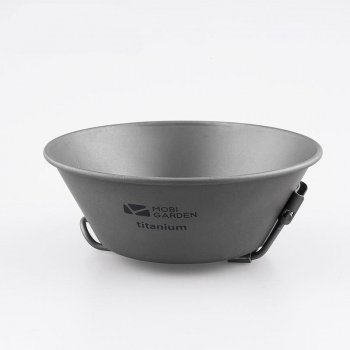
A compact kit is best when it balances light weight, stable handling, and easy cleanup for common camp meals. Choose a set that matches typical group size and cooking style (boil-only vs. real frying/sautéing). For a budget-friendly, packable setup suitable for basic outdoor cooking, consider this product page: Camping Cookware Kit.

Other in-stock picks

FAQ

How many people can a compact camping cookware kit serve?

Most compact kits are most comfortable for 1–2 people, or 2–3 for boil-and-eat meals where you’re mainly heating water and rehydrating food. If you’re doing full skillet meals (eggs, sautéed veggies, proteins), the practical serving size usually drops because pan surface area becomes the limiting factor.

Can nonstick camp cookware be used over a campfire?

It can, but it’s not ideal: open flames create hot spots and heavy soot, and high direct heat can shorten the life of nonstick coatings. A backpacking stove with moderate heat is usually the safer choice for nonstick pieces.

What is the easiest way to clean cookware at a campsite?

Scrape and wipe first, then use a small amount of warm water to loosen residue before washing. Use a non-abrasive sponge for coated surfaces, and follow local rules for soap use and greywater disposal.

Was this article helpful?

Yes No
Leave a comment
Top

Yay! 10% Off Just for You!

Join our community and enjoy 10% off your first order. Subscribe for exclusive deals!

Shopping cart

×