
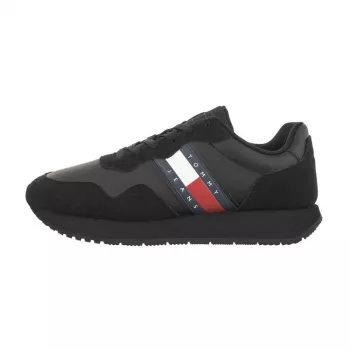
Salt stains on black suede look worse than they are, but the fix has to be gentle. The safest approach is to lift the salt residue first, then lightly recondition the nap so the suede stays dark and even.
1) Let the shoes dry naturally. If the sneakers are damp from slush, stuff them with paper towels and let them air-dry at room temperature. Heat (radiators, hair dryers) can stiffen suede and set marks.
2) Brush off surface salt and grit. Use a suede brush or clean, soft toothbrush. Brush in one direction to remove crusty residue before adding any moisture.
3) Spot-clean with a diluted vinegar solution. Mix equal parts white vinegar and water. Lightly dampen a clean microfiber cloth (don’t soak it), then blot the salt lines. Avoid rubbing aggressively—blotting prevents shiny patches and uneven color.
4) Blot with plain water. Use a second cloth lightly dampened with water to remove lingering vinegar and salt. Then blot dry with a towel.
5) Restore the nap once fully dry. When the suede is completely dry, brush again to lift the fibers. For stubborn areas, a suede eraser can help even out the texture before a final brush.
If the cleaned area looks slightly lighter, it’s usually flattened nap rather than true fading. Brush thoroughly and consider a black suede renovator spray (used sparingly and evenly) to refresh tone. Finish with a suede protector spray designed for water and salt resistance, and reapply periodically during heavy winter use.
Repeated salt exposure can leave ring-like edges. If two gentle passes don’t work, stop and reassess—over-wetting can cause tide marks. A dedicated suede cleaner or a professional suede service is safer than scrubbing harder.
For more detailed guidance and product-friendly tips, visit the main article.
It’s not recommended. Magic erasers are abrasive and can shave down suede fibers, leaving shiny, bald-looking spots—especially noticeable on black suede.












Leave a comment