
When it comes to the challenges of managing pet hair, understanding its properties can be incredibly helpful. Pet hair is primarily composed of protein, making it resilient to typical cleaning methods. This is why homeowners and pet owners alike seek effective solutions. The right laundry products can make a significant difference in managing pet hair during laundry cycles, especially when considering Laundry Products pet hair.
Utilizing high-quality Laundry Products pet hair is essential for effectively managing the stubborn strands left by your furry friends.
Investing in proven Laundry Products pet hair ensures that your laundry routine is both efficient and effective.
With the right Laundry Products pet hair, you can tackle even the most challenging pet hair issues without hassle.
Many pet owners swear by specific Laundry Products pet hair that are designed to combat hair effectively.
When washing pet bedding, consider Laundry Products pet hair that can help reduce odors along with hair.
Choose Laundry Products pet hair that provide both softness and effectiveness in hair removal.
The right Laundry Products pet hair can significantly improve your laundry outcome and your pet’s comfort.
Many users of Laundry Products pet hair have reported better results when using additional cleaning methods alongside them.
Look for Laundry Products pet hair that have been specially formulated to tackle tough pet hair problems.
Combining dryer sheets with effective Laundry Products pet hair can enhance your laundry results significantly.
Incorporating laundry products specifically designed for pet hair removal can enhance your cleaning routine. These products often contain special ingredients that reduce static and improve the release of hair from fabrics. Choose laundry detergents that boast pet hair cleaning capabilities, as they can significantly reduce the amount of hair left on clothing after a wash, making them essential for Laundry Products pet hair.
Additionally, some products come with enzymes that specifically target protein-based substances, making them effective against pet hair. These enzymes can help to break down the bonds that hold pet hair to the fabric, allowing it to be washed away more easily. This approach can be particularly beneficial for pet owners who regularly deal with shedding.
Be sure to pair your washing with Laundry Products pet hair that are highly rated for their effectiveness.
For the best results, opt for Laundry Products pet hair that can lift and eliminate hair efficiently.
Creating a pet-friendly space with Laundry Products pet hair ensures a clean living environment.
Employing Laundry Products pet hair during your laundry routine can significantly improve hair removal.
Understanding how Laundry Products pet hair work can help in achieving the best washing results.
For ultimate effectiveness, utilize Laundry Products pet hair that are proven in tackling stubborn hair issues.
Incorporating reliable Laundry Products pet hair can make a noticeable difference in your home cleanliness.
In conclusion, remembering to use effective Laundry Products pet hair can simplify your laundry process.
Consider using eco-friendly alternatives like baking soda alongside white vinegar. Baking soda can help loosen hair from fabrics, while vinegar aids in rinsing it away. Together, they create a powerful combination for tackling pet hair. Moreover, these ingredients are safe for pets and the environment, making them a great choice for conscientious pet owners.
For those who regularly wash pet beds or blankets, adding vinegar to the wash can also help eliminate odors associated with pet hair. The acidity of vinegar neutralizes smells and can make pet bedding feel fresher. This is especially important for maintaining a clean and inviting space for both pets and their owners.
While using liquid fabric softener, opt for products specifically labeled for pet hair reduction. These are formulated with additional conditioning agents that can help repel hair from clothing and other fabrics. The key is to find softeners that don’t leave a heavy residue, which can trap more hair in the future.
No laundry product truly “dissolves” pet hair. Hair is made of keratin, a tough protein that won’t break down in a normal wash cycle the way dirt or grease does. What washing products can do is reduce static, loosen hair from fabric, and help it rinse away instead of clinging to clothes and upholstery covers. Using Laundry Products pet hair can enhance this process and improve your laundry results.
When selecting laundry detergents, look for those that have been clinically tested for pet hair removal. Some brands provide guarantees on their effectiveness against pet hair, often highlighted in marketing materials. These detergents often contain advanced surfactants that can aid in hair removal more effectively than standard products.
In addition to dryer sheets, using dryer balls can be an excellent alternative. Wool dryer balls not only help to reduce static but also create space between clothes in the dryer, allowing hot air to circulate better. This enhanced airflow can contribute to better pet hair removal during the drying process.
Incorporating a regular cleaning routine for your dryer’s lint trap is essential. Doing so can prevent buildup that reduces efficiency and may lead to further hair being trapped in subsequent loads. Consider cleaning the lint trap before and after every drying cycle to maintain optimal performance.
A thorough brushing of pets before washing their items can significantly reduce the amount of hair that makes it into the laundry. Regular grooming can decrease shedding, which reduces the overall pet hair that accumulates in fabrics. This not only helps with laundry but also promotes a healthier coat for your pet.
For additional help, consider using lint rollers or pet hair removers designed for upholstery on items before washing. These tools can effectively lift hair from fabric surfaces, making the washing process much easier. Especially useful for blankets and furniture covers, they can save time and effort.
It is also advisable to keep a designated area for your pets to reduce hair accumulation in living spaces. This can include specific blankets or pet beds that are easy to wash regularly. Establishing these areas can help manage the amount of loose hair that gets into other fabrics.
White distilled vinegar works as a natural fabric softener, which can cut static and help release trapped hair. Add 1/2 cup to the fabric softener dispenser or during the rinse cycle (skip commercial softener if you’re using vinegar). It won’t “melt” hair, but it often helps more hair wash out and keeps remaining strands from sticking back on.
Lastly, always check care labels on fabrics. Some materials are more susceptible to trapping hair than others. Understanding fabric types can guide you in choosing which items to wash together and what products to use, optimizing your laundry routine.
Finally, if you are looking for the ultimate solution, explore various options available in the market. With the right combination of Laundry Products pet hair solutions, you can enjoy a cleaner, fresher home environment without the frustration of pet hair.
For further assistance in keeping your home free of pet hair, consider investing in effective tools and laundry products specifically designed for this purpose. Remember, consistent efforts in pet care, laundry practices, and cleaning routines will yield the best results in managing pet hair and maintaining a clean living space.
In conclusion, effectively managing pet hair in laundry requires a multifaceted approach. By utilizing specialized laundry products and following best practices, like pre-treatment and careful selection of washing methods, pet owners can achieve cleaner clothes and maintain a hair-free environment.
Fabric softener can reduce static cling, making it easier for hair to separate from fibers and get carried away with the water. Use the recommended amount; overuse can leave residue that attracts lint and hair later, especially on towels and athletic fabrics.
A good detergent plus an extra rinse can improve hair removal by keeping fibers slippery and flushing out loosened strands. If hair is heavy, choose a longer cycle and avoid overloading the washer so items can agitate properly.
The dryer is often where the biggest improvement happens. Dryer sheets reduce static, and wool dryer balls help knock hair loose as items tumble. Clean the lint screen before and after drying, since that’s where the freed hair ends up.
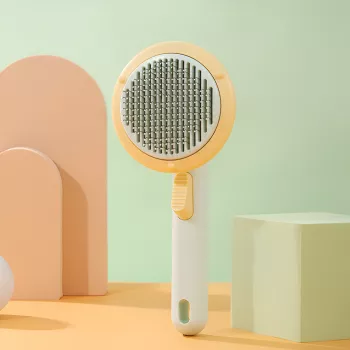
If fabric is heavily coated, pre-removal beats any additive. A quick pass with a pet hair tool can remove a surprising amount before laundry ever starts. For a practical, upholstery-friendly approach, see the guide on using a needle comb for pet hair removal: https://gskbuy.com/guide-needle-comb-pet-hair-removal-upholstery-guide/.
Use a lint roller, rubber gloves lightly dampened with water, or a pet hair brush/comb to lift hair off the surface first. Removing the bulk before the wash prevents hair from redepositing and clogging filters.










Leave a comment