120,000 BTU Tankless Propane Water Heater (5.1 GPM) for Outdoor Installation
A 120,000 BTU propane tankless heater unit built for outdoor mounting can deliver steady hot water without a storage tank, while saving indoor space and reducing standby losses. This guide breaks down what 5.1 GPM means in real use, how BTU relates to temperature rise, and what to plan for when installing an outdoor propane tankless heater.
Quick Snapshot of the Heater
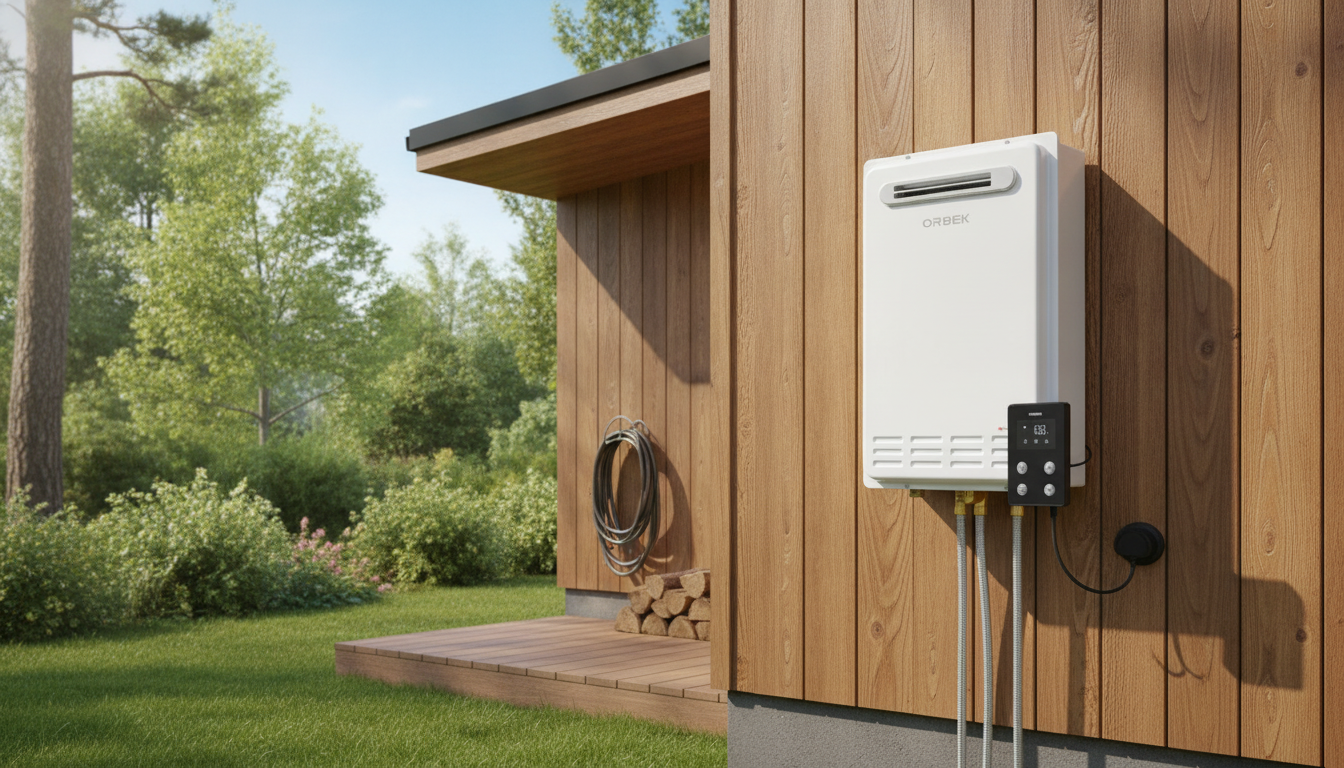
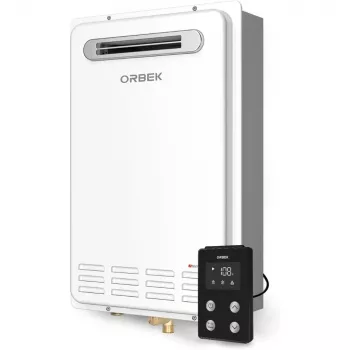
Type: propane tankless water heater designed for outdoor installation
Rated heat input: 120,000 BTU
Max flow rating: 5.1 GPM (actual flow depends on incoming water temperature and target outlet temperature)
Best fit: small to mid-size households, cabins, workshops, pool houses, and point-of-use setups needing continuous hot water
Outdoor placement can simplify venting requirements, but freeze protection and clearances become critical
What 5.1 GPM Can Handle Day to Day
A “5.1 GPM” label is best treated as a ceiling under favorable conditions, not a guarantee for every climate and season. Real output depends on how much the unit has to heat the water (temperature rise), and whether multiple fixtures run at once.
Single-shower comfort: many showers run around 1.5–2.5 GPM, leaving capacity for a low-flow faucet at the same time depending on temperature rise.
Two simultaneous draws: two showers or a shower plus laundry may be possible in mild climates; performance tightens as incoming water gets colder.
Best practice: list all fixtures that might run at once, then compare combined GPM to expected real-world output at your temperature rise.
If frequent multi-bath simultaneous use is expected, higher BTU and/or a larger flow rating may be needed.
Example Output Ranges by Temperature Rise (Illustrative)
Temperature rise (°F)
Estimated usable flow (GPM)
Typical scenario
35°F
4.5–5.1
Warm climates; shower + faucet likely
50°F
3.2–4.0
Moderate climates; one shower comfortably
70°F
2.3–3.0
Cold climates/winter; one shower + limited extra draw
For context, many modern showerheads are designed to use less water; the EPA’s WaterSense program is a helpful reference point when estimating shower flow rates. See U.S. EPA WaterSense: Showerheads.
BTU vs GPM: How to Size for Your Climate
BTU and GPM are tied together by one practical variable: temperature rise (your desired outlet temperature minus your incoming cold-water temperature). If incoming water is colder, the tankless heater must add more heat to reach the same setpoint, and the deliverable GPM drops.
BTU measures heat energy available; more BTU generally supports higher flow at a given temperature rise.
GPM is the flow rate; the “max GPM” label is typically measured at a lower temperature rise.
The key sizing variable is temperature rise: target outlet temperature minus incoming cold-water temperature.
Cold regions require more heat to reach the same hot-water setpoint, reducing deliverable GPM.
A practical approach: determine winter incoming water temperature, choose an outlet setpoint (often 120°F for many homes), then estimate how many fixtures can run at once.
Outdoor mounting can remove the need to route exhaust through the home, but it adds weather and freeze considerations. Always follow the manufacturer’s instructions and local codes.
Mounting location: choose a stable exterior wall with adequate clearance from openings and combustibles per the manufacturer’s instructions.
Wind and weather: install in a spot protected from direct wind-driven rain and heavy snow drift; consider a protective cover if allowed by the manufacturer.
Freezing risk: outdoor units may require built-in freeze protection, power availability, and insulation/heat tracing for exposed water lines where permitted.
Condensate and drainage: ensure water cannot pool around the unit; route any discharge safely away from walkways to prevent icing.
Service access: leave room for maintenance, descaling, and future replacement.
Propane Supply, Gas Line Sizing, and Regulators
Propane tankless heaters are sensitive to fuel delivery. A strong burner needs stable pressure and adequate volume, especially during peak draws.
For code guidance, many jurisdictions reference NFPA standards; see the overview here: NFPA 54: National Fuel Gas Code.
Water Quality, Scale Control, and Maintenance
Operating Cost and Efficiency Expectations
When This 120,000 BTU / 5.1 GPM Outdoor Model Makes Sense
Luxury Gold Ceramic Bathroom Sink — a style-forward upgrade that pairs well with bathroom remodels where a tankless heater swap is also on the checklist.
FAQ
Is 8.4 gpm good for a tankless water heater?
Yes—8.4 GPM is generally considered a high published flow rating, but it’s usually measured at a lower temperature rise. In colder incoming-water conditions, real output can be substantially less, so the “right” size depends on how many fixtures you’ll run at once and your winter water temperature.
What is the difference between BTU and GPM for tankless water heaters?
BTU is the heater’s available heating power, while GPM is how much water can flow through while still being heated to your set temperature. They’re linked by temperature rise: higher BTU typically supports more GPM at the same temperature rise, and the advertised max GPM won’t hold at every condition.











Leave a comment