


GaN (gallium nitride) chargers are gaining popularity for their ability to deliver high power in a compact size. While they are generally more efficient than traditional silicon chargers, they do have some notable disadvantages. In this article, we will delve deeper into the GaN Charger Downsides, exploring factors such as cost, heat management, compatibility with various devices, and the complexities of power sharing in multiport chargers. Understanding these GaN Charger Downsides will help you make an informed decision about whether a GaN charger is the right choice for your charging needs.
Reviewing common GaN Charger Downsides can provide insights for potential buyers.
Considering the GaN Charger Downsides, one must evaluate whether the charging speed meets their expectations.
One of the first things to consider when purchasing a GaN charger is the upfront cost. GaN chargers often come with a higher price tag compared to silicon alternatives at the same wattage. This is primarily due to the advanced materials and technology involved in their production. The increased cost reflects the need for modern components, meticulous engineering, and additional safety features necessary to manage high power in a small size. For example, while a standard silicon charger might retail for around $20, a comparable GaN charger could easily set you back $40 or more. This premium pricing can be a barrier for budget-conscious consumers, especially when there are still plenty of effective silicon options available on the market.
Despite their efficiency, GaN chargers can run quite hot, particularly when delivering 65W or more through a compact body. This can be particularly noticeable in warmer environments or when charging power-hungry devices like laptops. When multiple ports are in use, the heat generation can become even more significant. While most GaN chargers are engineered to operate safely at elevated temperatures, the heat can be uncomfortable to handle and may lead to power throttling if the device gets too hot. For instance, during extended gaming sessions on a laptop, users might notice a drop in charging speed if the charger overheats. It’s crucial to choose a model designed with adequate thermal management features to minimize this downside.
Awareness of GaN Charger Downsides is vital for ensuring charging efficiency.
Thus, identifying GaN Charger Downsides early can save users from future regrets.
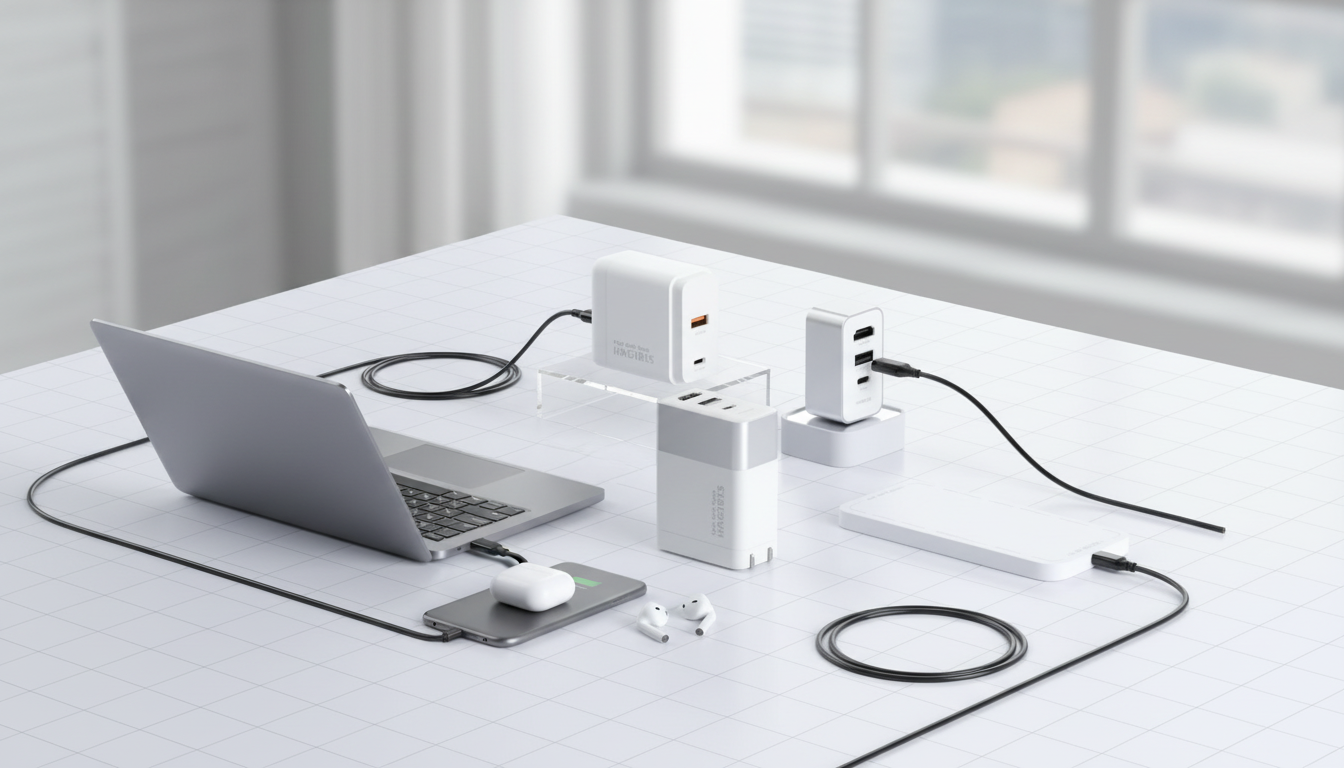
Multiport GaN chargers add another layer of complexity with their power-sharing features. When you connect multiple devices, the total wattage available can be split among the ports, which can affect charging speeds. For instance, if you plug a smartphone and a laptop into a multiport charger rated for 100W, you might find that the laptop charges more slowly than expected because the charger is distributing power between the two devices. This behavior is not a flaw; it’s simply how many Power Delivery (PD) profiles and internal power budgets function. However, for users who require consistent charging speeds, this variability can be a source of frustration.
Many tech enthusiasts discuss the GaN Charger Downsides, highlighting that while they may be compact, the heat generation can be a disadvantage.
Being informed about GaN Charger Downsides can enhance the overall user experience.
Many users report that understanding GaN Charger Downsides helps them choose wisely.
Examining the GaN Charger Downsides further reveals important considerations, especially in terms of heating issues and power management.
Furthermore, understanding GaN Charger Downsides, particularly regarding compatibility with older devices, is crucial.
For many, the GaN Charger Downsides may affect the decision, especially if users rely heavily on device compatibility.
The GaN Charger Downsides must be acknowledged to avoid future disappointments.
Evaluating GaN Charger Downsides can lead to better purchasing decisions.
The GaN Charger Downsides need to be weighed against the benefits to determine the best choice.
Ultimately, navigating the GaN Charger Downsides allows users to optimize their charging experience.
While most modern devices are compatible with GaN chargers, there are notable exceptions. Some older devices or specific USB-C models may not negotiate power as expected, leading to slower charging or even failure to charge. For instance, certain handheld gaming consoles or older laptops might require specific PD profiles, certain ports, or high-quality USB-C cables to achieve their maximum charging speeds. Users may encounter situations where a GaN charger works flawlessly with one device but struggles with another, highlighting the importance of ensuring device compatibility before making a purchase.
When exploring the world of chargers, it’s clear that understanding the GaN Charger Downsides can save you time and money. Whether you are using a GaN charger for your laptop, smartphone, or other devices, being aware of these potential issues allows you to make a well-informed choice that suits your lifestyle. By prioritizing quality, compatibility, and performance, you can harness the benefits of GaN technology while avoiding common pitfalls.
If you’re looking for more information on GaN technology, charging standards, and how to choose the right charger for your devices, consider exploring reputable tech sites and forums. Communities such as Reddit, tech blogs, and YouTube channels dedicated to technology reviews often provide valuable insights and user experiences that can guide your decision-making process. Additionally, manufacturers’ websites often contain detailed specifications and comparison charts that can help you understand the differences between different models.
In conclusion, while GaN chargers offer impressive efficiency and compactness, they also come with their own set of challenges related to GaN Charger Downsides. The higher upfront costs, potential for increased heat generation, issues with power sharing, compatibility concerns, and varying quality across brands are all factors to consider before making a purchase. Understanding these GaN Charger Downsides is essential in ensuring that you select a charger that meets your needs without compromising on performance or safety. Ultimately, weighing these pros and cons will help you make an informed decision that aligns with your charging requirements.
The market for GaN chargers is diverse, with many brands offering varying levels of quality. Due to their compact nature and high power output, the build quality and thermal design are paramount. Unfortunately, some off-brand models may skimp on essential features like safety protections and component quality. This can lead to issues such as power instability, coil whine, or even premature failure of the charger. For example, choosing a lesser-known brand could result in a charger that fails to provide adequate power or overheats easily during use, leaving consumers frustrated and seeking replacements. It’s advisable to stick with reputable brands that prioritize quality and safety certifications.
For a deeper look at what to expect from a 65W GaN charger and dock-style options, see the full guide here: https://gskbuy.com/guide-65w-gan-charger-dock-4k-hdmi-switch-steam-deck/. This comprehensive guide provides insights into the performance, safety, and best practices for using GaN chargers effectively.
Generally yes, as long as it’s from a reputable brand with proper protections and certifications. Avoid covering it, keep it ventilated, and replace it if it shows excessive heat, buzzing, or a loose plug fit.










Leave a comment