
The best material for a baby feeding set is food-grade silicone. It’s durable, gentle on gums, easy to clean, and less likely to shatter or splinter than many alternatives.
A well-made silicone set can handle daily drops, messy meals, and frequent washing while staying comfortable for little hands and mouths. Many parents prefer baby feeding sets made from silicone for these reasons.
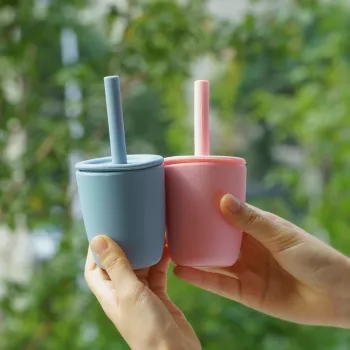
Investing in quality baby feeding sets ensures safety and convenience during mealtime. Not only does silicone provide a non-toxic environment for feeding, but it also comes in a variety of colors and designs that appeal to both parents and children.
The versatility in silicone feeding sets is unmatched; they can be used for both solid and liquid foods, accommodating the various stages of a baby’s feeding journey. By opting for silicone, you’re choosing a product that meets safety standards and enhances the overall feeding experience for your child.
For most families, food-grade silicone offers the best balance of safety, practicality, and longevity. It’s naturally flexible, so it won’t chip like ceramic, and lightweight, making it easier for babies to manage.
Silicone feeding sets typically include features like suction bases that help keep bowls and plates in place. These sets are a great match for early feeding stages when babies chew on utensils and explore textures with their mouths.
Choosing the right feeding set is crucial for your baby’s development and safety. A feeding set made from food-grade silicone promotes health and encourages self-feeding, an essential skill for your child.
The tactile experience of silicone stimulates your baby’s senses, allowing them to explore and learn about their food safely. Many silicone sets offer adjustable sizes and shapes that grow with your child, making them a smart investment.
Imagine your toddler learning to eat independently with a suction bowl that stays in place. This allows them to focus on their food rather than the mess!
Silicone feeding sets are popular for good reason:
Plastic can be lightweight and inexpensive, but it may stain, scratch, or hold odors over time. Quality varies widely. Bamboo looks beautiful, yet it can absorb moisture, crack, or wear faster, especially when frequently soaked or dishwashed, needing more careful handling.
Stainless steel is extremely durable and odor-resistant but can be heavy and loud, creating a less pleasant experience during early feeding. Glass and ceramic are easy to sanitize but can break when dropped, which is common with babies.
For a closer look at silicone baby bowls and utensil sets—especially options that pair silicone with wooden-handled spoons and forks—see this silicone baby bowl set guide.
While plastic, bamboo, stainless steel, and glass have their benefits, food-grade silicone consistently comes out on top. Plastic can be lightweight and inexpensive but often lacks the durability and safety features of silicone.
Over time, plastic can stain, scratch, and harbor bacteria, posing a risk to your child’s health. Bamboo feeding sets are eco-friendly but require more care to maintain their integrity, as they can absorb moisture and crack easily.
Stainless steel is incredibly durable but can be heavy and loud. Glass and ceramic are solid options, but the risk of breakage makes them unsuitable for the unpredictable movements of infants and toddlers. Therefore, silicone emerges as the optimal choice for a baby feeding set.
Many parents have shared their positive experiences with silicone baby feeding sets. One mother noted how her child enjoyed mealtime more when using brightly colored silicone bowls and utensils, making meals visually appealing and fun.
Another parent mentioned the ease of cleaning silicone sets compared to traditional plastic options; no more stubborn food stains! These firsthand accounts highlight the practical benefits of silicone feeding sets.
Parents have also remarked on the durability of silicone; even after multiple drops, the sets retained their shape and functionality. Such feedback underscores the importance of selecting high-quality materials for baby feeding sets.
Baby Feeding Sets
When shopping for baby feeding sets, look for features that enhance usability and safety. Opt for sets that include suction bowls to prevent spills and encourage independence in self-feeding.
Consider utensils with soft, ergonomic handles that are easy for little hands to grasp. Check for dishwasher compatibility for effortless cleaning, and ensure the materials used are BPA-free and non-toxic.
Furthermore, many silicone feeding sets come in stackable designs, making storage simple—an added bonus for busy parents. Lastly, choose sets in vibrant colors or fun shapes to make mealtime enjoyable.
In conclusion, food-grade silicone is the best material for baby feeding sets. It offers safety, convenience, and comfort. Its resilience against drops, ease of cleaning, and suitability for teething babies make it essential for parents.
As your baby grows and transitions from purees to solid foods, silicone feeding sets remain relevant, adapting to your child’s evolving needs. By investing in quality baby feeding sets made from silicone, you ensure a safe and enjoyable feeding experience while supporting your child’s development during a crucial growth stage.
Embrace the benefits of silicone and watch your child thrive during mealtime!
Wash with warm water and mild soap after each use, and follow the product’s directions for dishwasher use. To reduce lingering odors, soak silicone in a baking soda and warm water solution, then rinse thoroughly and air-dry completely.












Leave a comment