A practical mealtime set can make early self-feeding simpler, cleaner, and more comfortable for little hands. This silicone bowl paired with a wooden-handle spoon and fork is designed for everyday use—from first purees to thicker foods—while supporting safer, calmer feeding routines at home or on the go. For more guidance, see Spoons – Dauphin.pa Assistive Devices.
What’s Included and What Each Piece Does
This set is built around the basics babies reach for every day, with pieces that feel consistent in size and easy to recognize from meal to meal. For further reading, see Unlocking Potential: Using Color Blocks in Autism Therapy.
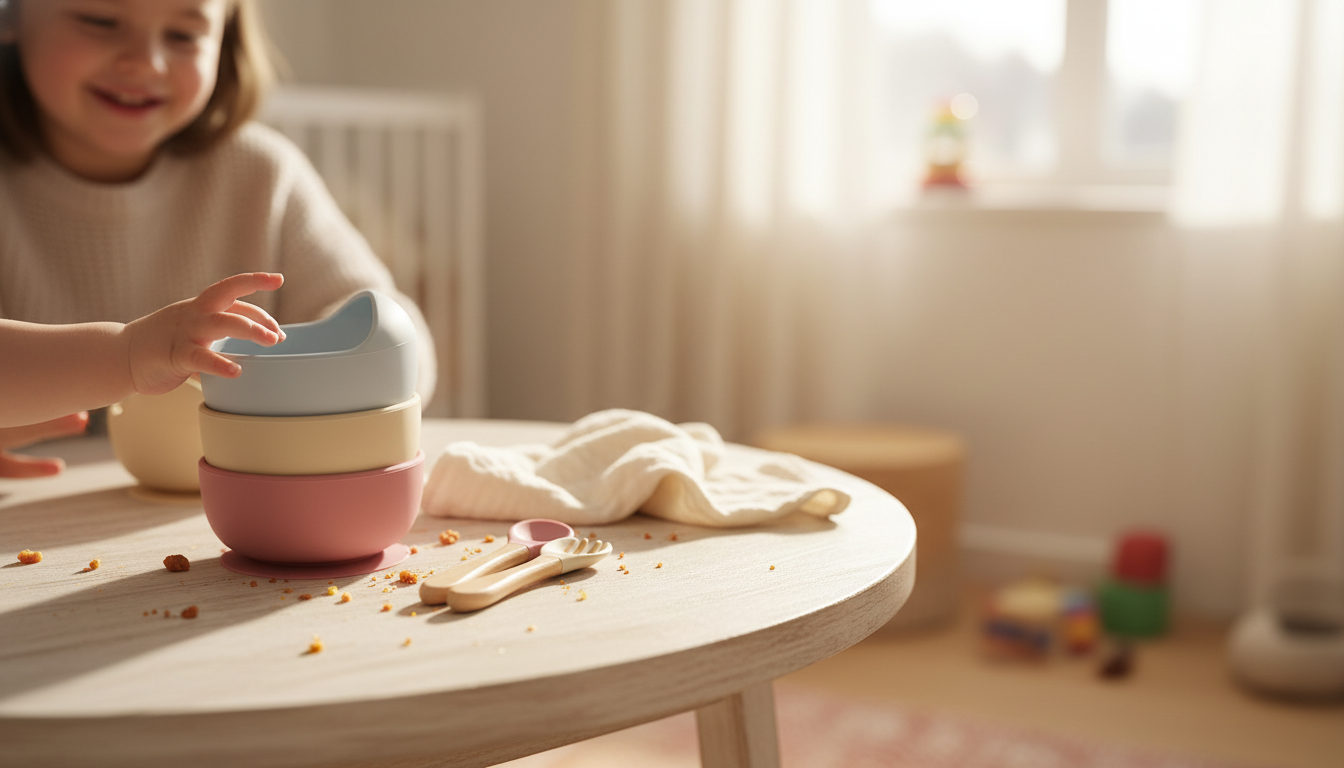
- Silicone feeding bowl: Great for purees, mashed foods, yogurt, and snacks. The flexible material helps reduce clatter and chips compared with hard bowls, especially on high-chair trays or countertops.
- Wooden-handle spoon: Designed for small grips and a comfortable hold. It’s a gentle transition tool from parent-feeding to baby-led practice—useful for preloading and offering short, manageable bites.
- Wooden-handle fork: Made for early exploration of soft foods when baby shows readiness. A fork can support coordination and confidence as hand skills improve.
- Matched set format: Keeping feeding tools consistent in size and feel can reduce frustration during skill-building, particularly when baby is learning how to angle a utensil toward the mouth.
Why Silicone + Wooden Handles Work Well for Early Feeding
Different materials can solve different everyday problems during feeding—noise, grip, comfort, and cleanup. A silicone-and-wood combination balances practicality with a warmer, more “real utensil” feel for practice.
- Softer bowl contact: A silicone bowl offers a softer rim and quieter contact with high-chair trays and tables.
- Comfortable, steady grip: Wooden handles can feel less slippery than all-silicone handles when hands are damp from drool, water, or food.
- Routine-friendly portions: A bowl-and-utensil set helps keep portions manageable and supports consistency—especially helpful when introducing new textures gradually. For general guidance on starting solids, see the American Academy of Pediatrics resource: Starting Solid Foods.
- Easier wipe-downs: Silicone is typically easy to wipe and rinse between bites, making it a good option when meals happen in short windows.
Material benefits at a glance
| Part |
Material |
Everyday benefit |
Care note |
| Bowl |
Silicone |
Soft, lightweight, easy to rinse |
Avoid abrasive scrubbers to keep surface smooth |
| Spoon handle |
Wood |
Warm grip, easy to hold |
Do not soak; dry promptly |
| Fork handle |
Wood |
Comfortable for practice grip |
Do not soak; dry promptly |
| Utensil tips |
Feeding-safe head material |
Gentler on gums than metal |
Inspect for wear and replace if damaged |
Best Uses by Feeding Stage
Babies develop at different speeds, but a simple set like this stays useful across multiple phases—from first tastes to early utensil control.
- First tastes (around the start of complementary feeding): Use the bowl for thin purees and the spoon for tiny portions and gentle pacing. Small servings can help reduce overwhelm while baby learns new flavors.
- Thicker foods: Mashed vegetables, oatmeal, yogurt, and soft scrambled egg are common next steps. The bowl helps keep servings contained so baby can scoop repeatedly without chasing food around the tray.
- Self-feeding practice: Preload the spoon or fork, set it within reach, and let baby guide it while supervised. This supports hand-to-mouth coordination while still keeping bites appropriate.
- Snack time: Fruit pieces, puffs, or soft steamed veggies fit well for small, frequent meals. A dedicated bowl helps keep snacks off the high-chair creases and reduces “floor sampling.”
Care, Cleaning, and Hygiene
Feeding tools do their best work when they’re kept clean, dry, and in good condition—especially when different foods are introduced throughout the day.
For more context on food-contact materials and safety oversight, the FDA provides background here: Food Contact Substances (FCS).
Safety Notes for Confident Mealtimes
- Always supervise eating: Stay close enough to respond quickly if gagging or choking occurs.
- Check for wear: Look over utensil tips and bowl edges before each use; replace at the first sign of deterioration.
- No walking with utensils: Avoid leaving baby unattended with utensils; even soft-tipped tools can become a hazard if used while crawling or walking.
- Serve age-appropriate foods: Cut foods into safe shapes and cook firm foods until soft when needed. The CDC’s guidance is a helpful reference: Choking Hazards.
Product Snapshot
Quick details
More In-Stock Picks for Home and Personal Care
FAQ
Can the silicone bowl go in the dishwasher?
Many silicone bowls are dishwasher-safe, but it’s best to confirm the care instructions for your specific bowl. If you use a dishwasher, the top rack is typically gentler, and milder detergents can help reduce lingering odors.
How should wooden-handled baby utensils be cleaned?
Hand-wash the utensil heads and wipe the wooden handles clean, avoiding soaking. Dry immediately after washing; occasionally rubbing a small amount of food-safe oil into the wood can help maintain the finish, and any splintering or cracking is a sign to replace.
When is a baby ready to use a fork?
Readiness often looks like steady supported sitting, strong interest in self-feeding, and the ability to bring a utensil to the mouth with improving control. Start with very soft foods and close supervision while baby learns how to poke and lift safely.
Recommended for you












Leave a comment