Getting the right size in women’s lace-up shoes starts with an accurate foot measurement. Because lace-ups can be adjusted, you can fine-tune the fit, but you still need the correct length and enough room in the toe box. A quick at-home measurement takes only a few minutes and helps reduce slipping, pinching, and unnecessary break-in discomfort.
Grab two sheets of paper (one per foot), a pencil, a ruler or measuring tape, and the socks you plan to wear with the shoes. Measure later in the day when feet are slightly fuller, which is closer to how shoes will fit during regular wear.
Place the paper on a hard floor against a wall. Stand with your heel lightly touching the wall and your full weight on the foot (don’t sit—standing spreads the foot to its true size). Keeping the pencil straight up-and-down, mark the tip of your longest toe. Measure the distance from the wall edge (heel) to the toe mark in inches or centimeters. Repeat for the other foot and use the larger measurement.
While standing, wrap a measuring tape around the widest part of the forefoot (usually across the ball of the foot). Note the circumference, or trace the outline and measure the widest point. If your width is consistently tight in standard shoes, consider wide-width options or styles with more forgiving uppers.
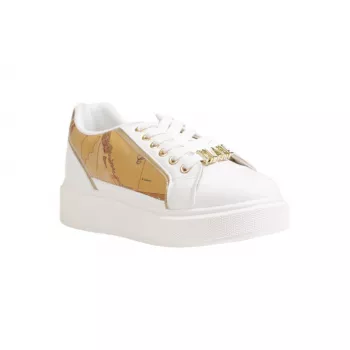
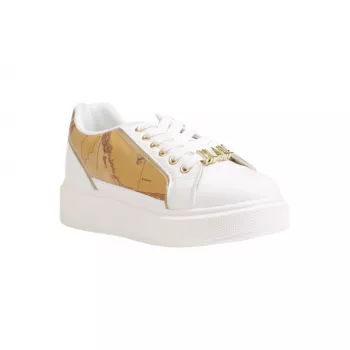
Convert your longest-foot measurement using the specific brand’s size chart whenever available—sizes can vary by maker. If you’re between sizes, a common approach is to size up for comfort, then use lacing to secure the fit. For more context on fit and details related to a specific women’s lace-up style, see the full review here: Alviero Martini Prima Classe women’s white lace-up shoes review.
Aim for about a thumb’s width of space in front of the longest toe, with no rubbing on the sides. Your toes should be able to wiggle slightly, and the shoe shouldn’t crease painfully over the toe joints when you walk.











Leave a comment