
“K gold-plated” means an item has a thin layer of gold applied over a base metal, and the “K” refers to the karat of that gold layer. Karat measures gold purity: 24K is pure gold, 18K is 75% gold, 14K is about 58.3% gold, and so on. So, an “18K gold-plated” necklace is not solid 18K gold—it’s a different metal underneath with an 18K gold finish on top.
Most K gold-plated jewelry is produced using electroplating, where gold is deposited onto the surface in a controlled process. The plating thickness can vary by manufacturer and product. A thicker, well-bonded layer generally holds up better to day-to-day wear than a very thin cosmetic coating.
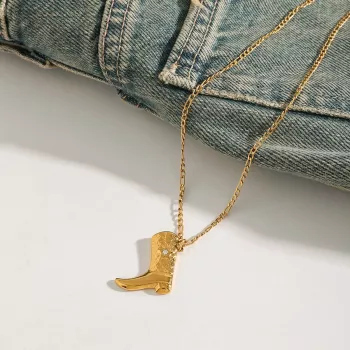
The base metal matters because it affects durability, color tone over time, and skin sensitivity. Common bases include brass, copper, and stainless steel. Stainless steel is popular for modern fashion jewelry because it’s tough, resists rust, and tends to handle moisture better than many softer metals. If you’re comparing options, a practical example is an 18K gold-plated stainless steel piece, like the style discussed in this guide: https://gskbuy.com/guide-cowboy-boot-pendant-necklace-18k-gold-plated-stainless-steel/.
Longevity depends on plating thickness, wear habits, and exposure to water, sweat, fragrances, and cleaning chemicals. Daily wear, frequent friction (like pendants rubbing against clothing), and storing jewelry loose in a drawer can speed up fading. To help it last, remove it before showering or swimming, apply lotion/perfume before putting it on, and store it dry and separated from other pieces.
The gold layer itself doesn’t tarnish easily, but if the plating wears through, the base metal can oxidize and discolor. Higher-quality plating and a corrosion-resistant base (like stainless steel) can reduce the chance of visible changes.











Leave a comment