
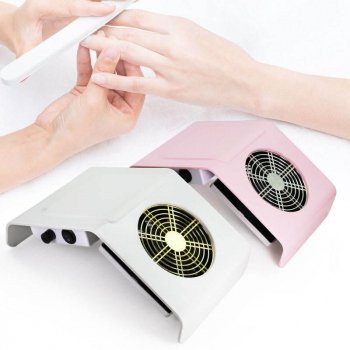
A nail dust collector typically costs anywhere from about $25 to $300+, depending on the power, filtration, build quality, and whether it’s a portable unit or designed to be built into a manicure table. Basic desktop collectors are usually the most affordable, while salon-grade systems with stronger suction and better filtration sit at the higher end.
Entry-level portable collectors ($25–$70): These are compact units meant for occasional use. They can reduce visible dust, but may struggle with heavy acrylic filing sessions or all-day salon volume.
Mid-range collectors ($70–$150): Often a sweet spot for regular home use and smaller studios. Expect steadier airflow, sturdier housings, and more consistent dust capture—especially when paired with quality filters and proper maintenance.
Professional/salon-grade systems ($150–$300+): Designed for frequent services, these models commonly offer stronger suction, longer runtimes, and filtration setups better suited for fine dust. Built-in table collectors and higher-powered units also tend to land here.
Power and airflow: Higher wattage and stronger suction generally cost more, but they can also improve dust pickup during fast e-file work.
Filtration type: Collectors that use higher-quality filters (and hold them securely) often cost more up front. Filter replacements are another ongoing expense to consider.
Noise level and comfort features: Quieter operation, better fan design, and a more ergonomic hand rest can raise the price but also make long appointments more comfortable.
Maintenance and consumables: Washable filters can reduce long-term costs, while disposable or proprietary filters may increase the total cost of ownership over time.
If you do occasional gel services at home, an entry-level unit may be enough. For regular acrylic or dip removal and frequent filing, a mid-range or professional collector can be more economical long-term by performing better and requiring fewer workarounds. For more detail on features and setup, see this guide: 40W nail dust collector guide.
Focus on suction strength, filter quality, noise level, and how easy it is to clean or replace filters. Also check the size of the intake area so it fits your typical hand position during filing.











Leave a comment