
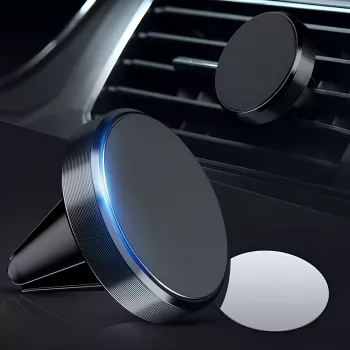
Magnetic car phone holders have become increasingly popular due to their convenience and user-friendly design. One of the primary benefits is ease of installation. Unlike traditional phone mounts that may require complex hardware or additional tools, magnetic mounts often just involve sticking a metal plate to your phone or case and attaching it to the mount. This simplicity makes switching between vehicles or using different devices a breeze.
Another advantage is the versatility these holders offer. They can accommodate various phone sizes and styles, making them suitable for families or shared vehicles. The magnetic grip allows for quick and easy adjustments, ensuring you can reposition your phone for optimal visibility without hassle. This adaptability can be particularly beneficial during long drives when you want to adjust your phone’s angle frequently.
Furthermore, magnetic mounts often provide a more streamlined look in your vehicle. They eliminate the clutter of wires and bulky attachments, creating a cleaner aesthetic. Drivers can focus on the road without distractions, enhancing safety. Additionally, many magnetic mounts are designed to be more compact, which can help prevent obstructions of air vents or dashboard controls.
Finally, many users find that magnetic phone holders can improve accessibility. With your phone securely mounted and within reach, it’s easier to use navigation apps or attend to calls and messages without fumbling around. This can lead to a safer driving experience, as you’re less tempted to pick up your phone while driving.
When choosing a phone mount, it’s crucial to consider the various options available and their respective advantages and disadvantages. For instance, traditional suction cup mounts can be effective, but they may lose grip over time and require cleaning to maintain their functionality. In contrast, magnetic mounts offer a more reliable and consistent hold.
Another comparison to consider is the bulkiness of certain mounts. Some dashboard mounts take up valuable space and can obstruct important controls or views. Magnetic mounts tend to be more compact, allowing for a less intrusive setup. Additionally, suction mounts often require a flat surface, while magnetic holders can be placed in various locations, maximizing their usability.
Lastly, durability is an essential factor. Many magnetic car phone holders are made from high-quality materials that ensure longevity. When invested in a reputable brand, users can expect a product that withstands the rigors of daily use without degradation in performance.
In normal use, a magnetic vent phone mount is very unlikely to damage a modern smartphone or its internal components. The magnets used in car mounts are specifically designed for holding strength, not the intense magnetic fields that would be needed to harm today’s solid-state storage, processors, or screens. For most iPhone and Android models, everyday magnetic exposure from a mount is comparable to other common magnets you encounter, and it won’t “wipe” data or break internal parts.
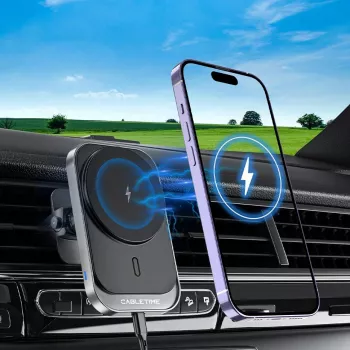
The main area to pay attention to is wireless charging and magnetic alignment. If you place a metal plate (commonly included with magnetic mounts) directly between your phone and a wireless charger coil, wireless charging may stop working or run less efficiently. Some people also notice slightly warmer charging when alignment is off. If wireless charging is important, choose a setup designed to work with your phone’s charging system and avoid thick metal plates placed over the charging coil area. This consideration is crucial for users who rely heavily on wireless charging technology in their daily routines.
There are also a few edge cases where magnets can cause minor annoyances rather than real damage. A strong magnet can interfere with a phone’s compass readings, which might affect navigation apps until the phone is moved away from the magnet and recalibrates. For instance, if you’re using a navigation app during a road trip, the compass interference can lead to incorrect directions and confusion. Magnetic mounts can also tug on accessories with magnetic sensors or wallets, so check fit and positioning if you use add-ons. Ensuring a proper fit will greatly enhance your experience and prevent any potential issues while driving.
To minimize any risk, use the smallest plate that still holds securely, place it away from the wireless charging coil (often centered on the back), and avoid stacking multiple plates or magnets. If you have a medical implant device, follow the device manufacturer’s guidance for magnetic proximity to ensure safety. It’s always better to be cautious and prioritize your health over convenience.
For mounting tips, vent compatibility, and secure placement guidance, see this guide to magnetic vent car phone holders. This resource provides comprehensive information and reviews to help you make informed decisions about your phone mount choice.
It can. A metal plate or poor alignment can block or weaken wireless charging, so use a mount/plate placement that avoids the charging coil or choose a MagSafe-compatible style if your phone supports it. If you are uncertain about compatibility, refer to your phone’s user manual or consult the manufacturer’s website for detailed specifications.









Leave a comment