



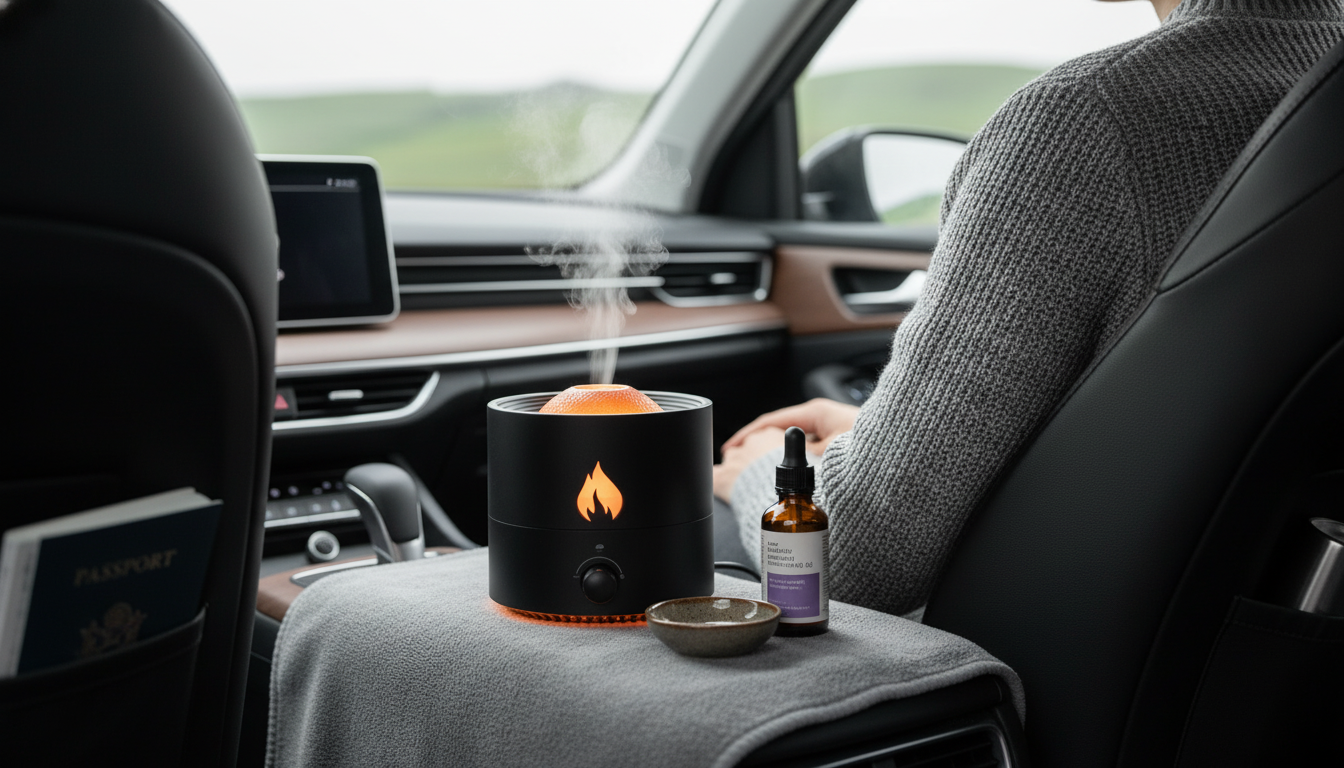
Essential oils shouldn’t be used in just any ultrasonic humidifier. In most standard ultrasonic cool-mist humidifiers, adding oils to the water tank can damage internal parts and reduce performance. It can also leave oily residue that’s difficult to clean.
For example, if you add lavender oil to a non-compatible humidifier, you may notice a lingering scent even after cleaning. This indicates oil buildup. If you want fragrance or aromatherapy, it’s safest to use a model specifically labeled for essential oils (often marketed as an “ultrasonic diffuser” or an “aroma humidifier”). Alternatively, you can use a separate diffuser alongside your ultrasonic humidifiers.
Additionally, using a dedicated diffuser allows for more precise control over the intensity of the scent. You can adjust the oil concentration according to personal preference. Furthermore, if you have children or pets, consider the safety risks associated with certain oils. Some can be toxic if ingested or inhaled in high concentrations. Always ensure that you are using compatible ultrasonic humidifiers to avoid any potential damage or health risks.
Understanding the compatibility of essential oils with ultrasonic humidifiers can enhance your experience and ensure safety in your home.
Ultrasonic humidifiers rely on a vibrating membrane (often called an ultrasonic plate) to turn water into a fine mist. Essential oils don’t behave like water. They can coat that membrane, clog tiny passages, and break down rubber seals and certain plastics over time.
For instance, using citrus oils, which are more acidic, can accelerate the degradation of plastic components. This can lead to leakage or malfunction. Even a few drops can create buildup that leads to weaker mist output, odd smells, or premature failure.
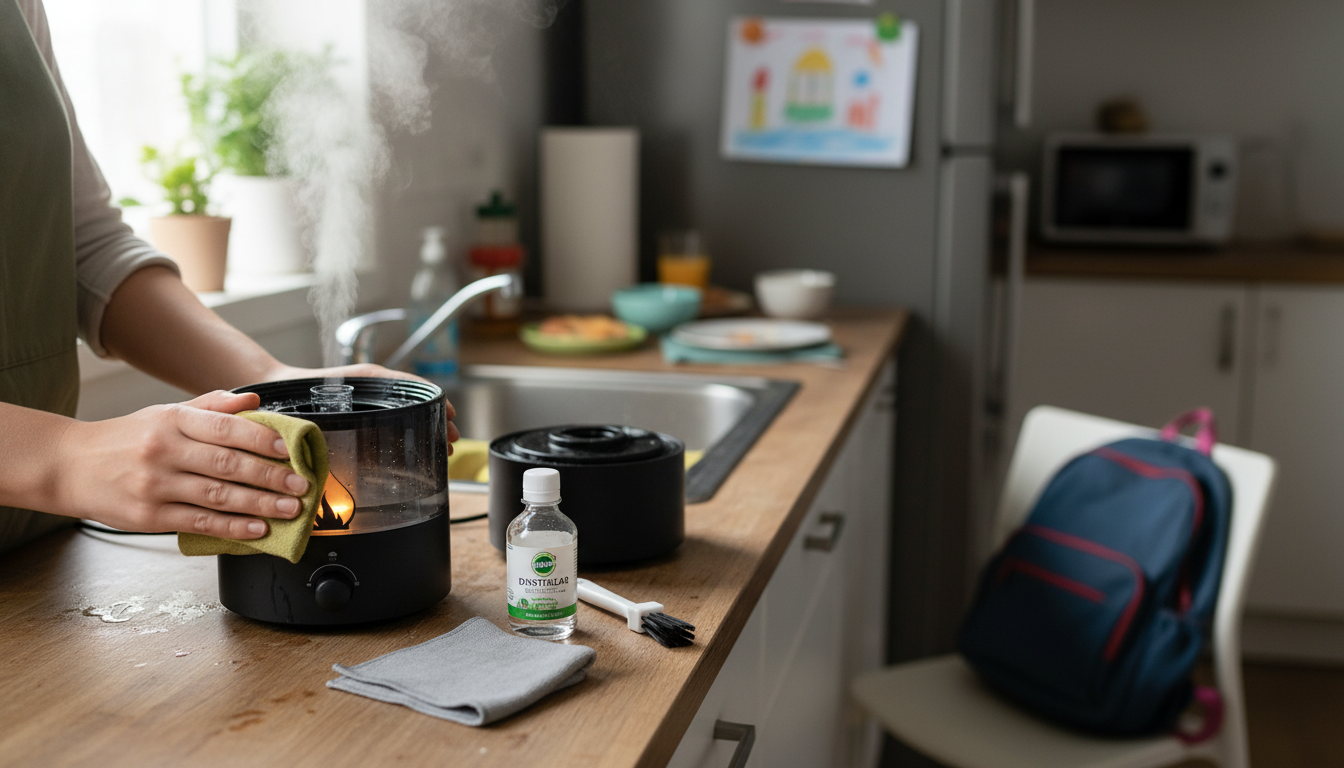
Consider the maintenance involved; cleaning an ultrasonic humidifier that has been used with oils is often more labor-intensive. It may require descaling products designed to prevent clogging. Additionally, the aromatic compounds in essential oils can interact with the materials in the humidifier, potentially releasing harmful substances into the air.
This further underscores the importance of using a humidifier that is specifically designed for essential oil compatibility.
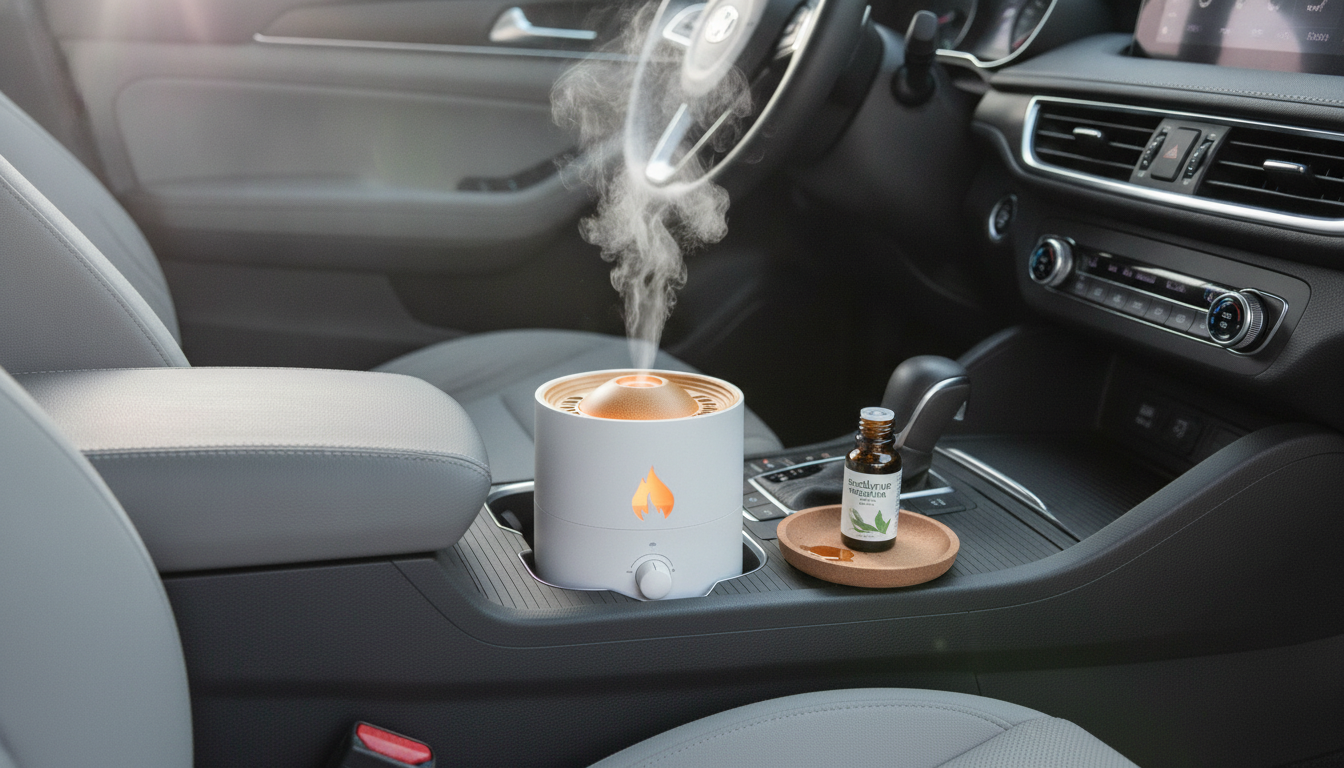
Check the manual and product labeling. Units designed for aromatherapy typically include an oil tray, aroma pad, or a dedicated compartment that keeps oils separated from the main water tank.
If the instructions only mention using clean water and specifically warn against oils, perfumes, or additives, treat that as a hard “no.” Researching user reviews can provide insight into the experiences of others who have used oils in similar models, which may help inform your decision.
Furthermore, some manufacturers may provide information on the longevity of the device when used with essential oils. This can help you weigh the benefits against potential risks.
Final Note: Using essential oils in your humidifier can have significant implications for both its performance and your health. Always prioritize safety and compatibility.
If your humidifier isn’t oil-compatible, consider using one of these options instead:
For example, some devices come with a special compartment that allows for the safe use of specific aroma pads without risking damage to the humidifier components. Alternatively, consider using natural methods such as placing pots of herbs like mint or rosemary around your living space. This can create a pleasant aroma without the risks associated with oils. This method not only enhances the scent of your home but also adds a touch of greenery to your decor.
In summary, for Essential Oils in Ultrasonic Humidifiers: Safe or Not?, the best answer depends on fit, material, care instructions, and how the product will be used day to day.
Understanding the compatibility of your device can save you time, money, and frustration in the long run. Furthermore, being informed about the potential risks and benefits of using essential oils with your humidifier can lead to a more satisfying and safe experience overall.
They can. Oils may coat the ultrasonic plate and internal surfaces, leading to residue buildup, reduced mist output, and harder-to-remove odors over time.
If you’re concerned about clogging, consider using an essential oil diffuser that is specifically constructed to handle oils without the risk of damage. This way, you can enjoy the aromatic benefits without compromising your humidifier’s operation.
Additionally, be mindful of the type of oils you are using; some oils are thicker and more likely to cause buildup than others. Always follow the manufacturer’s guidelines to ensure the longevity and efficiency of your device.









Leave a comment