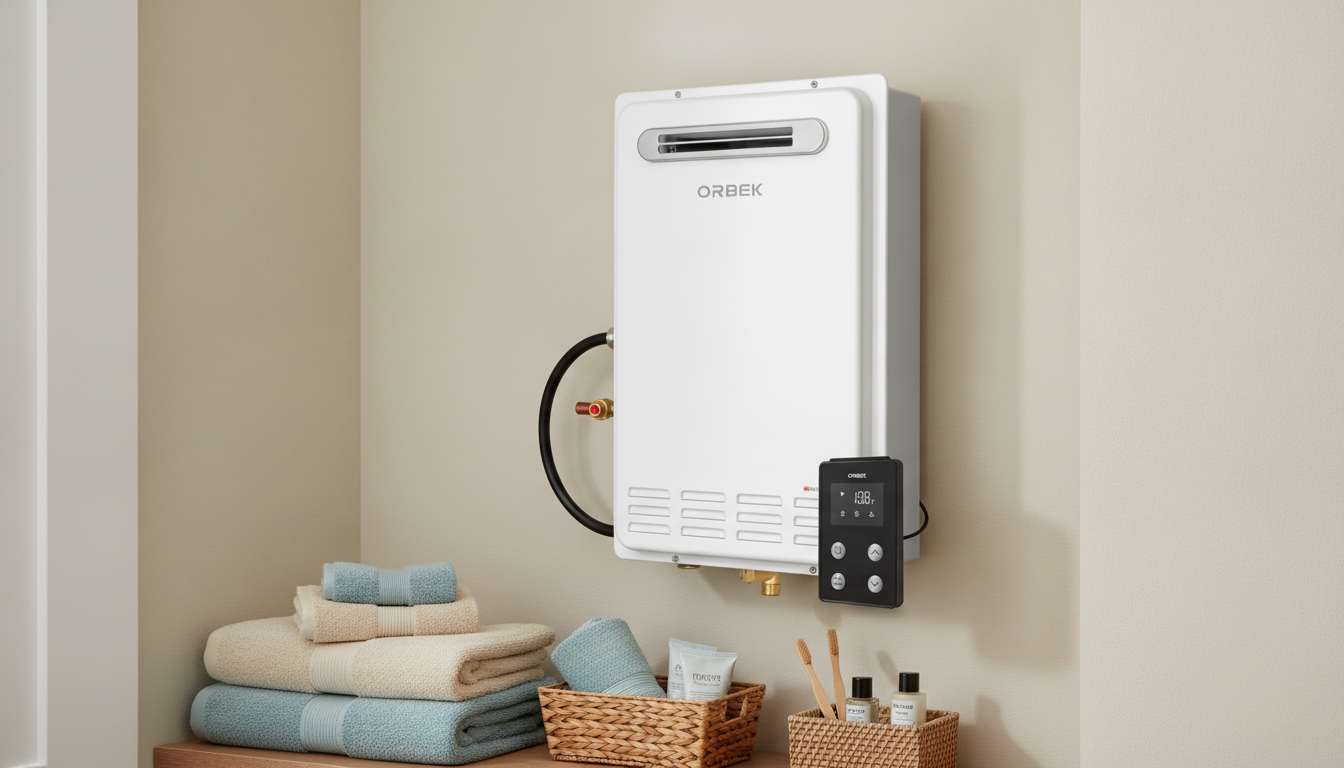
Yes—8.4 GPM can be very good for a tankless water heater. However, it’s only “good” if the unit can actually deliver that flow at your home’s real-world temperature rise. Tankless ratings are often based on mild incoming water temperatures, which can significantly impact performance.
For example, in the summer months, when groundwater might be warmer, achieving the maximum flow rate becomes feasible. However, during winter, if you live in a colder climate, the same heater might struggle to provide sufficient hot water when demand is high.
Consider a household where multiple family members take showers in the morning while others are running appliances. A system that can consistently deliver 8.4 GPM is not just about capacity; it’s about ensuring everyone gets the hot water they need without interruption.
An 8.4 GPM rating is typically enough to support multiple fixtures at once in many homes, such as two showers or a shower plus a sink—especially in warmer or moderate climates where the incoming water temperature is higher.
This means you can comfortably run a shower while someone else is washing dishes or doing laundry.
Additionally, it can be a great fit if you frequently run back-to-back showers, have guests, or want a little extra capacity so the heater isn’t constantly working at its limit.
For instance, if you’re hosting family over the holidays and you know that everyone will be using hot water at various times, having a unit that can handle 8.4 GPM ensures a smooth experience without significant wait times.
It also provides peace of mind, knowing that your hot water supply can meet the demands of a busy household during peak usage times.
Flow rate depends on temperature rise (the difference between incoming cold water and your set hot water temperature). In colder regions, a heater may need to raise water by 60–80°F, which reduces output.
This means that in winter, your tankless water heater may not perform as well, especially if multiple outlets are in use simultaneously.
High-flow showerheads, a soaking tub filler, or simultaneous appliance use (like a dishwasher or washing machine) can push demand above what the heater can sustain at your target temperature.
For example, using a low-flow showerhead might improve your experience, but if you have a standard showerhead while also running the washing machine, you might find the hot water running out more quickly than expected.
Understanding these dynamics is crucial; it helps homeowners choose the right system and optimize its operation, ensuring that they can enjoy comfortable and consistent hot water even during peak times.
Start by adding up the GPM of the fixtures you want to run at the same time (check fixture labels or measure by filling a 1-gallon container and timing it). This step is crucial to understanding your household’s hot water demand.
Then consider your climate: the colder your incoming water, the more capacity you’ll need to maintain steady hot water.
If you’re comparing sizes and BTU ratings, this guide is a helpful reference point: 120,000 BTU outdoor propane tankless water heater guide.
Consider the layout of your home; if your bathrooms or kitchen are far from the water heater’s location, you might experience a delay in hot water delivery. This can affect your overall satisfaction with the system.
Other factors, such as the number of appliances that use hot water simultaneously, will further influence your selection process.
Regular maintenance can enhance the efficiency and longevity of your tankless water heater. One critical step is descaling the unit to remove mineral buildup, especially in areas with hard water. This process should ideally be done annually to maintain optimal performance.
Additionally, check the filters and ensure proper ventilation to prevent issues related to airflow and heating efficiency. Homeowners should also monitor the temperature settings; keeping the water temperature at around 120°F is generally recommended for both safety and efficiency.
Moreover, keeping the area around the heater clean and free of debris can improve airflow and prevent overheating.
Scheduling professional inspections can help identify potential problems early, ensuring that your heater operates efficiently.
By taking these proactive measures, you can extend the life of your tankless water heater and avoid costly repairs down the line.
In conclusion, an 8.4 GPM tankless water heater can be a suitable choice for many households, particularly in regions with moderate climates. Understanding your hot water needs and the factors that affect performance will enable you to make an informed decision.
As you consider your options, remember to evaluate the size, efficiency, and maintenance requirements of different models. Ultimately, investing in a quality system tailored to your home’s specific needs will ensure that you enjoy consistent hot water for years to come.
Tankless water heaters, also known as on-demand water heaters, provide hot water only when needed. Unlike traditional tank water heaters, which maintain a reservoir of hot water, tankless models heat water directly as it flows through the unit.
This innovation not only conserves energy but also extends the lifespan of the system. For homeowners, this means potentially lower utility bills and less space required for water heating equipment.
When considering a tankless water heater, it’s essential to evaluate the size and power of the unit. Most tankless heaters are rated in GPM, and understanding how that correlates with your usage patterns can ensure you select the right model.
If your household typically experiences simultaneous demand from showers, faucets, and appliances, a higher GPM rating will provide better performance. Conversely, if your hot water needs are minimal or staggered, a lower GPM unit may suffice.
Two showers commonly require about 4–6 GPM total, but the real requirement depends on showerhead flow and how cold your incoming water is.
In colder climates, you’ll typically need a higher BTU unit to maintain comfortable temperatures at the same flow rate. For instance, a standard showerhead might use 2.5 GPM, meaning with two showers running, you’d need a minimum of 5 GPM, plus any additional demand from other sources like sinks or appliances.











Leave a comment