
When it comes to winter footwear, the importance of comfort and functionality cannot be overstated. Women’s winter boots have evolved significantly over the years, combining advanced technology with stylish designs that cater to diverse needs. Whether you’re trekking through deep snow or navigating icy sidewalks, having the right pair of boots can make all the difference.
In addition to warmth and dryness, consider factors like weight and flexibility. A heavy boot may provide great warmth but could hinder mobility. Look for options that offer a balance of insulation and comfort to ensure you can move freely without compromising on protection from the elements.
The best women’s winter boots for winter weather keep feet warm, dry, and steady on slick ground without feeling bulky. Look for a boot that matches the conditions you actually face—powdery snow, slush, freezing rain, or mostly cold city sidewalks—because “winter boot” can mean very different things.
Waterproof boots often utilize synthetic membranes like Gore-Tex, which are designed to be breathable while keeping water out. This technology is particularly beneficial for women who find themselves in wet and snowy conditions. It’s also wise to apply a waterproofing spray to leather boots regularly to maintain their barrier against moisture.
Consider the insulation materials used in winter boots. Common options include synthetic insulation like Thinsulate, which is lightweight yet effective at trapping heat, and natural materials like down, which offer great warmth-to-weight ratios. Understanding the insulation types can help you choose the correct level based on your locality’s winter severity.
It’s essential to understand the tread patterns of the boots you choose. Specifically, some brands offer winter-specific outsoles that are optimized for cold conditions. These treads can significantly reduce the risk of slips and falls, providing you with the confidence to walk on icy surfaces.
For wet snow and slush, waterproof materials matter more than thick insulation alone. Choose boots labeled waterproof (not just water-resistant), with sealed seams and a gusseted tongue to block water from sneaking in around the laces. Treated leather can work well in winter, especially when maintained, but it should be paired with a water-blocking membrane or strong weatherproof finish for truly messy days.
Many women prefer boots that allow for personal customization in fit. Brands that offer adjustable features, such as buckles or laces, enable you to create a snug fit around your ankles, preventing snow from entering and maintaining warmth. Additionally, removable insoles can make it easier to dry out your boots after a long day in the snow.
Color and style are also significant when selecting winter boots. While black and brown are classic choices, many brands are now offering vibrant hues and patterns that can add a pop of color to your winter wardrobe. A stylish boot not only serves a practical purpose but can also enhance your overall winter look.
If winters are mild or you’re mainly commuting, light-to-medium insulation is often enough and keeps boots more comfortable indoors. For long outdoor time or very cold regions, go higher on insulation and pair with moisture-wicking socks so warmth doesn’t turn into sweaty, chilled feet later.
It’s also worth considering eco-friendly options when looking for winter boots. Many brands are now using recycled materials or sustainable practices in their manufacturing processes. These choices not only help the environment but can also appeal to consumers looking for more responsible fashion choices.
Staying informed about the latest trends in winter footwear can help you make the best choices. Researching reviews and exploring different brands will give you a well-rounded view of what’s available. Pay attention to customer feedback regarding comfort, durability, and style to make an informed decision.
When it comes to maintenance, regular cleaning is crucial for prolonging the life of your winter boots. Remove any dirt or salt after each wear and store them in a dry, cool place. This prevents damage and ensures they remain in top condition for the next winter season.
A lugged rubber outsole with deep, well-spaced tread helps in snow, while softer rubber compounds tend to grip better on cold pavement. For frequent ice, consider boots that are compatible with removable traction cleats, or pick a sole known for winter grip rather than a smooth fashion outsole.
Finally, do not forget about the importance of trying on boots with the socks you plan to wear. This can significantly affect the fit and warmth of the boots. Always walk around in them to make sure they suit your comfort needs before making a purchase.
A slightly roomier toe box helps circulation and allows thicker socks, but your heel should stay locked in to prevent blisters. Mid-calf or taller shafts block snow better; ankle boots are easier for everyday wear and quick errands. Supportive insoles and a stable, not-too-high heel make winter walking safer and less tiring.
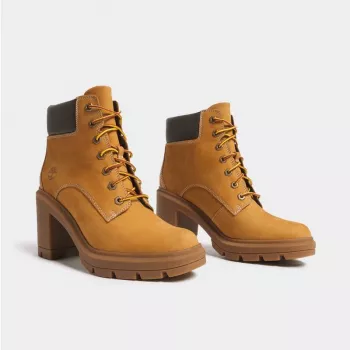
If you want a winter-ready boot that pairs easily with cold-weather outfits, beige or neutral ankle boots can be surprisingly practical when they’re weather-treated and built with a solid lug sole. For styling tips and seasonal wear ideas, see this guide: https://gskbuy.com/guide-beige-timberland-womens-ankle-boots-fall-winter-guide/.
When searching for the best options, consider our top women’s winter boots for added warmth and protection in cold conditions.
Let boots dry fully between wears, pull out insoles to air out, and use moisture-wicking socks. A light sprinkle of baking soda overnight can help absorb odor, then tap it out before wearing.












Leave a comment