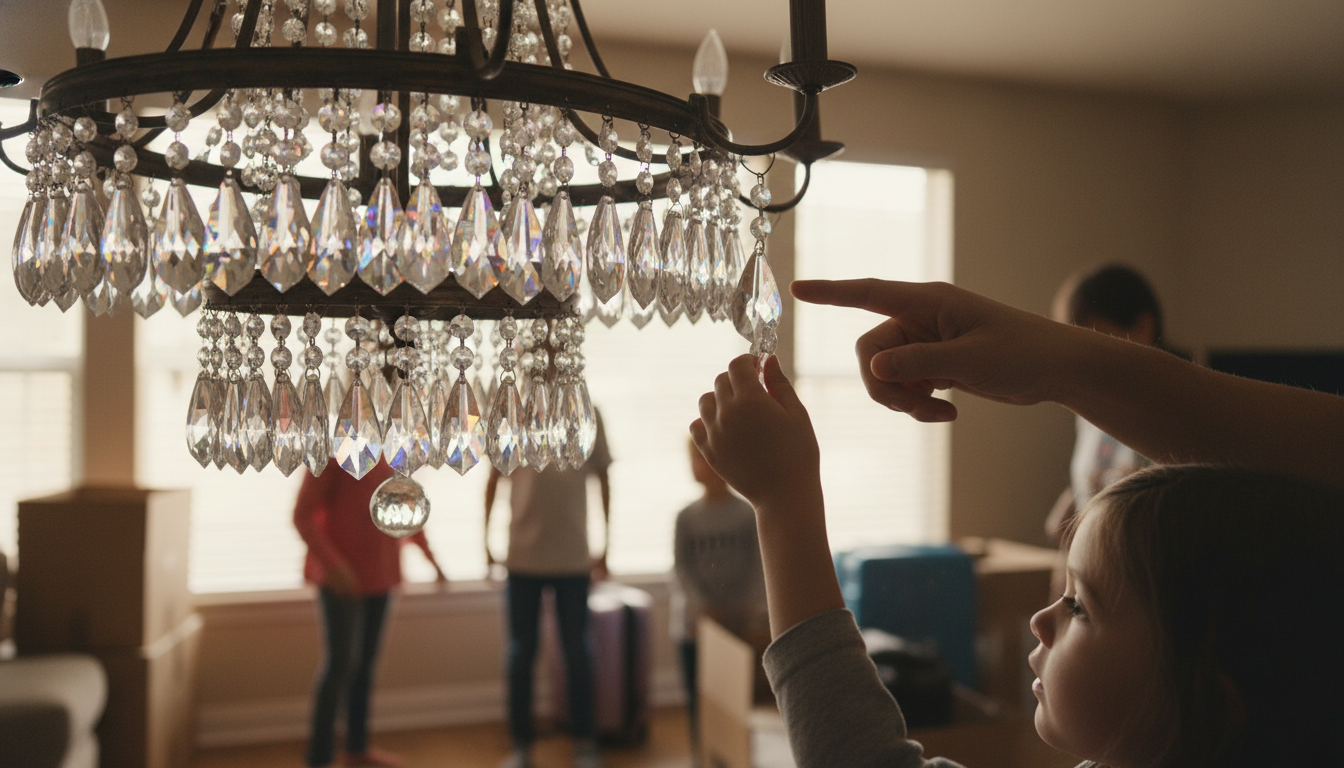
Crystal chandeliers typically use one of three main types of “crystal”: lead crystal, lead-free crystal, or high-clarity cut glass. The choice affects sparkle, weight, durability, and price. Understanding the differences between these types can help you choose the perfect Chandelier Crystals for your space. Additionally, considering the various styles and finishes can enhance the overall aesthetic of your Chandelier Crystals. Each type of crystal has unique characteristics that can influence both the visual impact of your lighting and its overall functionality within your home decor. The right choice of Chandelier Crystals can transform the ambiance of any room.
Traditional high-end chandeliers often feature lead crystal (commonly 24% lead oxide or higher). Lead increases the refractive index, which means stronger light dispersion and more pronounced rainbow-like prisms when the chandelier is lit. These pieces also tend to feel heavier and more substantial, and the cutting can look exceptionally crisp. The tradeoff is added weight and, in some cases, a higher price point.
Lead crystal, one of the most popular types of Chandelier Crystals, is known for its brilliance and clarity. Choosing lead crystal can elevate the elegance of your chandelier.
When selecting a lead crystal chandelier, it’s essential to consider the size and style that best complements your decor. The luxurious nature of Chandelier Crystals makes them a stunning focal point.
Lead crystal chandeliers are often seen as the epitome of luxury. The intricate craftsmanship involved in creating lead crystal pieces not only contributes to their beauty but also adds to their value. For example, renowned brands like Waterford and Swarovski are famous for their lead crystal chandeliers, which are often featured in high-end hotel lobbies and luxury residences. When considering a lead crystal chandelier, think about how its weight and opulence will complement your existing decor—whether in a grand foyer, dining room, or an elegant living space.
For those who prefer a sustainable option, lead-free Chandelier Crystals offer a beautiful alternative without compromising on aesthetics.
Choosing cut glass chandeliers can also provide a cost-effective solution while still enjoying the charm of Chandelier Crystals.
The type of Chandelier Crystals used can drastically change your chandelier’s appearance and functionality, helping you achieve the desired mood in your space.
Lead-free crystal chandeliers are an excellent option for those seeking an eco-friendly alternative. With advances in technology, manufacturers have developed techniques that allow lead-free crystals to reflect light beautifully, often indistinguishably from their lead counterparts. Brands like Kichler and Quoizel offer stunning designs that utilize lead-free crystal, making them a popular choice among environmentally conscious consumers. These chandeliers can enhance modern interiors while ensuring safety and compliance with regulatory standards.
Many modern crystal chandeliers use lead-free crystal made with minerals such as barium, zinc, potassium, or titanium to mimic the brilliance of lead crystal without using lead. It’s a popular choice for contemporary lighting because it can still deliver a bright, clean sparkle while often being a bit lighter. Lead-free options also make it easier to meet certain regulatory or preference-based requirements.
By selecting the right Chandelier Crystals, you can ensure a captivating lighting experience in any room.
High-quality cut glass chandeliers can also be a budget-friendly option for achieving the elegance of crystal without the higher price tag. They are particularly popular in transitional styles, where a blend of traditional and contemporary elements is desired. While cut glass may not have the same refractive properties, the right design can still create a stunning visual impression. Brands like Progress Lighting and Maxim Lighting offer exquisite cut glass options that provide an elegant touch to any room without breaking the bank.
To enhance visual appeal, consider the placement of your Chandelier Crystals to ensure they catch the light beautifully.
To determine the type of chandelier that best suits your needs, consider the overall aesthetic of your space, your budget, and any specific lighting requirements. For instance, if you have a dimly lit room, lead or lead-free crystal may be preferred for their superior light dispersion. Conversely, if you are looking for a statement piece that won’t be directly above seating areas, cut glass may suffice, offering visual appeal without the need for maximum light reflection. Additionally, consulting with a lighting specialist can provide personalized insights based on your design goals and requirements.
Understanding the nuances of different Chandelier Crystals will help in making an informed decision that suits your style and needs.
Choosing the right Chandelier Crystals involves balancing aesthetics with practical considerations for effective lighting.
Purchasing a chandelier also involves considering its installation. Professional installation is recommended for larger fixtures, as incorrect hanging can lead to safety hazards. Additionally, consider the type of bulbs that will be used; LED bulbs can save on energy costs and reduce heat output, making them ideal for chandeliers. Finally, regular maintenance, such as cleaning the crystals to retain their sparkle, will help keep your chandelier looking beautiful for years to come.
Consider how various Chandelier Crystals can enhance your interior design theme and overall home atmosphere.
Explore options that feature unique designs and high-quality Chandelier Crystals for a statement piece in your home.
Some chandeliers use high-quality cut glass that’s marketed as “crystal” in a general sense. While cut glass can look beautiful—especially with precise faceting and good polishing—it typically produces less light dispersion than true crystal (lead or lead-free). It can be a practical option for achieving a crystal look in larger fixtures or budget-friendly designs.
When selecting the right size crystal chandelier for your room, it’s essential to consider not only the dimensions but also how the chandelier interacts with the space. For example, a larger chandelier can serve as a dramatic focal point, particularly in open-concept areas. In contrast, smaller rooms may benefit from more delicate designs to avoid overwhelming the space. Measuring the height from the floor to the bottom of the chandelier can also ensure that it hangs at a comfortable level, allowing for safe navigation beneath it while maximizing its visual impact.
The most reliable way is the product description: it may specify “lead crystal,” “lead-free crystal,” or “glass.” If details are sparse, compare weight (crystal is often heavier), clarity (higher-grade crystal looks exceptionally clear), and the sharpness of facets (clean, precise cuts tend to sparkle more). For more guidance on choosing the right look and presence—especially how sparkle changes with size, style, and placement—visit this modern crystal chandelier guide.
Start with room dimensions and ceiling height, then balance the chandelier’s diameter and hanging height with furniture placement. A properly sized fixture should feel proportional and provide comfortable clearance above tables and walkways.












Leave a comment