
No. Vinegar won’t dissolve pet hair the way a chemical solvent dissolves grease or mineral buildup. Pet hair is made of keratin (a tough protein), and household vinegar (dilute acetic acid) isn’t strong enough to break it down in any practical, fabric-safe way. However, many people wonder, Does Vinegar Dissolve Pet Hair?
Many pet owners are curious about whether Does Vinegar Dissolve Pet Hair. While it doesn’t, its use can still enhance cleaning efforts.
You might be thinking, Does Vinegar Dissolve Pet Hair? The answer is still no, but it can definitely assist in removing hair from various surfaces.
So, if you’re wondering, Does Vinegar Dissolve Pet Hair? It’s essential to understand that vinegar can still aid in the removal process.
Ultimately, you might still find yourself wondering, Does Vinegar Dissolve Pet Hair? The answer is no, but with the right approach and products, you can effectively manage pet hair in your home.
Whether you’re asking, Does Vinegar Dissolve Pet Hair, or looking for solutions, remember that its effectiveness relies on the fabric type.
Many homeowners still question, Does Vinegar Dissolve Pet Hair? The truth is it does not, but it indeed facilitates hair removal.
Understanding the nature of pet hair is crucial for effective removal. Pet hair, primarily made of keratin, presents unique challenges. Unlike other debris, its structure is resilient, which is why conventional cleaning methods may fall short. For example, while vacuuming can be effective, it often requires specialized attachments to capture hair embedded in upholstery. Additionally, the static charge that pet hair generates can make it cling stubbornly to fabric surfaces.
For instance, when using vinegar, consider how its effectiveness may vary depending on the type of fabric. On synthetic fibers, vinegar may perform better by reducing static cling, making it easier to gather hair. However, on natural fibers like wool or cotton, the interaction can differ, sometimes requiring additional methods to ensure thorough cleaning.
Even though it doesn’t “melt” hair, vinegar can still help hair come off fabric more easily in a few indirect ways:
Understanding Does Vinegar Dissolve Pet Hair can help you utilize vinegar more effectively in your cleaning routine.
So, does vinegar help? Many ask, Does Vinegar Dissolve Pet Hair? While it doesn’t dissolve the hair, it does assist in its removal.
If you are still pondering, Does Vinegar Dissolve Pet Hair? Know that while it doesn’t, it contributes positively to cleaning methods.
To answer the lingering question, Does Vinegar Dissolve Pet Hair? The answer is no, but you can still include it in your cleaning arsenal.
When questioning, Does Vinegar Dissolve Pet Hair? Remember that it enhances other cleaning approaches.
Keep in mind the question, Does Vinegar Dissolve Pet Hair? It’s vital to understand its role in your cleaning routine.
Ultimately, the question remains, Does Vinegar Dissolve Pet Hair? As we’ve discussed, it does not, yet it aids significantly in cleaning.
In summary, many wonder, Does Vinegar Dissolve Pet Hair? And while it doesn’t, it still provides valuable assistance in removal methods.
To conclude, if you’re still curious about Does Vinegar Dissolve Pet Hair? It’s clear that while it doesn’t dissolve the hair, it greatly aids in the cleaning process.
Also, consider using a soft brush or lint roller after applying the vinegar mixture. These tools can help to dislodge and collect pet hair that may still be clinging to the fabric, ensuring a more thorough cleaning process.
Keep in mind that some upholstery may react differently to vinegar, so always use caution. For example, leather may become discolored, so other cleaning methods should be considered for such materials.
If you want to try it, keep it gentle. Mix equal parts white vinegar and water in a spray bottle, then lightly mist the upholstery—don’t soak it. Let it sit for a minute, then remove hair with a tool that physically lifts and gathers it.
Additionally, integrating preventative measures can minimize pet hair accumulation. Regular grooming of pets, combined with vacuuming and the strategic use of vinegar, can create a more manageable cleaning routine.
Following the detailed guide on needle combs can also enhance your pet hair removal strategy—understanding the specific tools that work best for your pet’s coat will significantly improve your cleaning efforts.
In conclusion, while vinegar alone does not dissolve pet hair, it can play a vital role in promoting easier removal through its effects on static and fabric tension. For best results, combine vinegar use with other cleaning strategies and tools, ensuring your living space remains pet hair-free.
Always spot test on an inconspicuous area first. Some fabrics (especially delicate weaves, certain dyes, or specialty finishes) can discolor or water-spot even with mild solutions.
While fabric softener can aid in pet hair removal, it is essential to balance the use of such products with the potential for residue build-up. Maintaining a clean and fresh environment for both pets and humans is key to a happy home.
Regular maintenance should include weekly cleaning if you have pets that shed frequently. This helps to keep hair from becoming embedded in the fabric, making it easier to manage. Additionally, seasonal shedding periods may require more frequent cleanings, emphasizing the importance of establishing a cleaning schedule that works for your household.
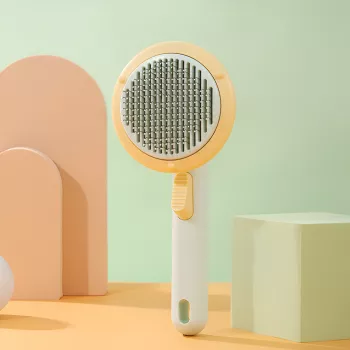
Because vinegar isn’t a true hair remover, the heavy lifting still comes from mechanical removal: lifting, combing, and collecting the strands. A needle comb style tool can be especially effective on upholstery because it catches hair embedded in the weave and pulls it into clumps you can pick up quickly.
For a step-by-step approach and tool recommendations, see the detailed guide here: Needle Comb Pet Hair Removal Upholstery Guide.
It can. A lightly diluted fabric softener spray may reduce static and help hair release, but it can leave residue on some fabrics, so spot test first and avoid oversaturating.












Leave a comment