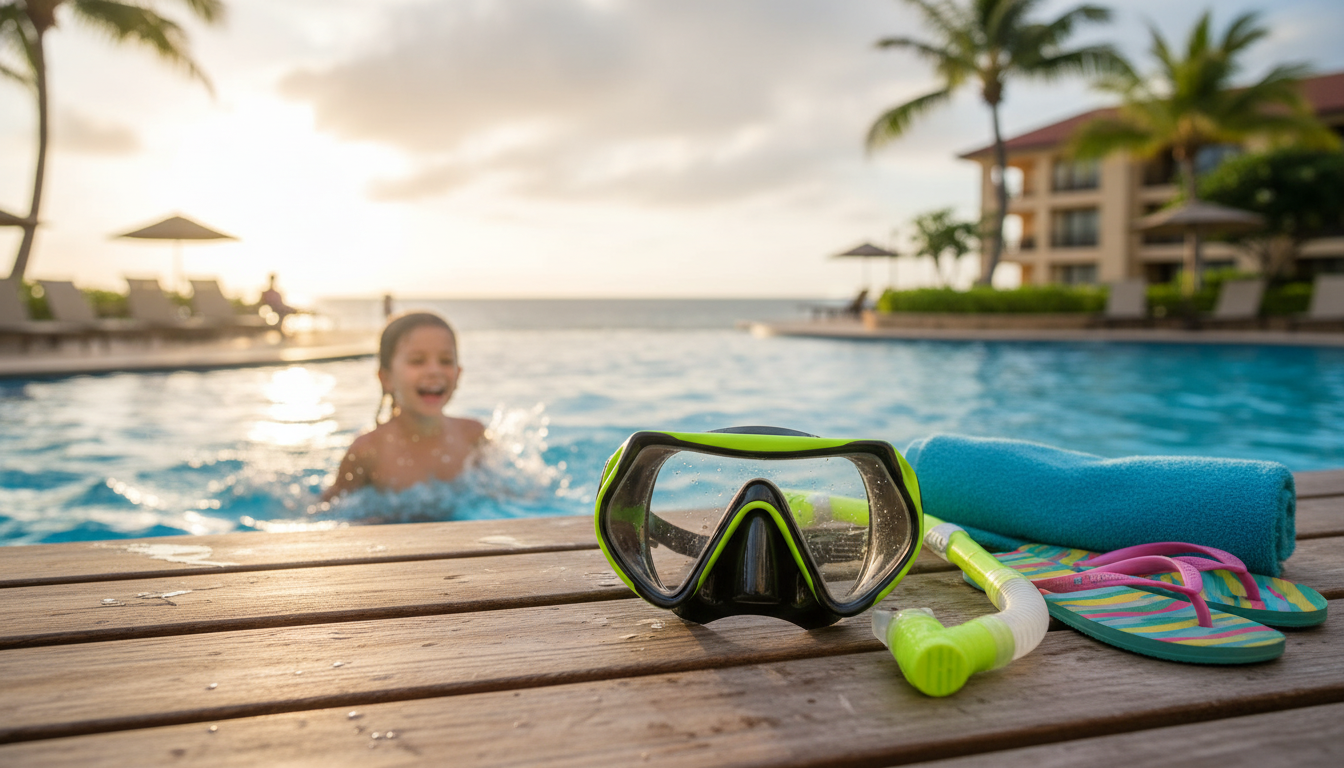
Swimming is a delightful activity for children. The joy of splashing around in the water, playing games, and engaging in fun challenges can be significantly enhanced when kids can see clearly underwater. The Anti-Fog Kids Goggles paired with a snorkel set allows young adventurers to explore the aquatic world fully. This section will explore the features and advantages of using these goggles and snorkels in detail.
Anti-fog technology is not just a convenience; it is essential for a seamless swimming experience. The science behind anti-fog coatings involves creating a thin layer on the lens that draws moisture to it instead of allowing it to form droplets. This hydrophilic layer ensures that visibility remains clear, even in humid conditions or during vigorous activity. For instance, children often move around quickly in the water, which can cause their goggles to fog up if they aren’t equipped with this technology. Thus, understanding how anti-fog technology works can help parents select the best goggles for their kids.
When selecting Anti-Fog Kids Goggles, consider the materials used in the construction. High-quality silicone and polycarbonate are often recommended for their durability and comfort. These materials not only provide a snug fit but also ensure that the goggles can withstand regular use in chlorinated pool water. For example, silicone seals help prevent leaks, making them ideal for energetic swimmers.
Anti-fog technology is crucial for ensuring clear visibility underwater. This section will delve into how anti-fog coatings work. These coatings create a hydrophilic layer that prevents the condensation of moisture on the lens surface. By keeping the lenses clear, children can focus on their swimming techniques and enjoy their time in the water without distractions. Furthermore, many reputable brands invest in research to improve their anti-fog technologies continuously, which can be a critical factor to consider when purchasing.
Additionally, using a snorkel can help improve a child’s swimming skills. As they become comfortable breathing through the snorkel, they will gain confidence in their ability to explore deeper water. This can lead to a more adventurous spirit as they start to engage with marine life. It’s a great way to introduce safety practices in a fun and engaging way, teaching them how to stay calm and focused in the water. For instance, snorkels designed for kids often come with safety features that prevent water from entering the tube, enhancing their comfort and security.
A snorkel paired with Anti-Fog Kids Goggles allows children to explore underwater environments more freely. They can breathe easily while observing fish and other marine life without the need to surface frequently. This combination enhances their snorkeling experience and encourages them to engage more with the aquatic world. For example, children can mimic the movements of fish and feel like they are part of the underwater ecosystem, which can be a magical experience for them.
A snorkel paired with Anti-Fog Kids Goggles allows children to explore underwater environments more freely. They can breathe easily while observing fish and other marine life without the need to surface frequently. This combination enhances their snorkeling experience and encourages them to engage more with the aquatic world.
In conclusion, ensuring that children have the right equipment, such as Anti-Fog Kids Goggles and snorkels, is fundamental for fostering a love for swimming. These tools not only enhance their experience but also contribute to their safety and comfort. As kids become more comfortable in the water, they are likely to develop a lifelong passion for swimming and water activities.
To extend the life of your Anti-Fog Kids Goggles, proper care is necessary. After each use, rinse the goggles with fresh water to remove chlorine and other chemicals. Avoid touching the inner lenses, as this can damage the anti-fog coating. Additionally, consider cleaning the lenses with a microfiber cloth to avoid scratches and maintain clarity. Store the goggles in a protective case to prevent scratches and exposure to direct sunlight, which can degrade materials over time. It’s also wise to periodically check the straps and seals for wear, ensuring that they remain in good condition.
Moreover, it’s essential to look for goggles that have adjustable straps and a flexible frame. This feature allows for a customized fit, which minimizes leaks and maximizes comfort. A proper fit is crucial for kids, as it enables them to focus on swimming without worrying about their gear slipping or causing discomfort. Parents may also want to involve their kids in the fitting process to ensure that they feel comfortable and confident in their equipment.
Moreover, it’s essential to look for goggles that have adjustable straps and a flexible frame. This feature allows for a customized fit, which minimizes leaks and maximizes comfort. A proper fit is crucial for kids, as it enables them to focus on swimming without worrying about their gear slipping or causing discomfort.
Choosing the right Anti-Fog Kids Goggles is essential for a fun and safe swimming experience. Make sure to prioritize comfort, fit, and anti-fog features to enhance your child’s underwater adventures. A good pair of goggles should feel like an extension of your child’s face, providing them with the confidence to swim and explore. Encourage them to try different styles and sizes to find what works best for their needs.
Kids learn faster and feel safer in the water when they can see clearly and breathe comfortably. A combined Anti-Fog Kids Goggles and snorkel set helps reduce interruptions from fogged lenses or frequent head lifting, making pool practice and shallow-water exploring more enjoyable. This guide covers how anti-fog works, how to get a comfortable leak-resistant fit, and how to care for the set so it lasts. Moreover, incorporating games and challenges in the water can further motivate kids to practice swimming skills. For more guidance, see Vvinca Swim Goggles with Nose Cover, 2 Pack Wide View Diving ….









Leave a comment