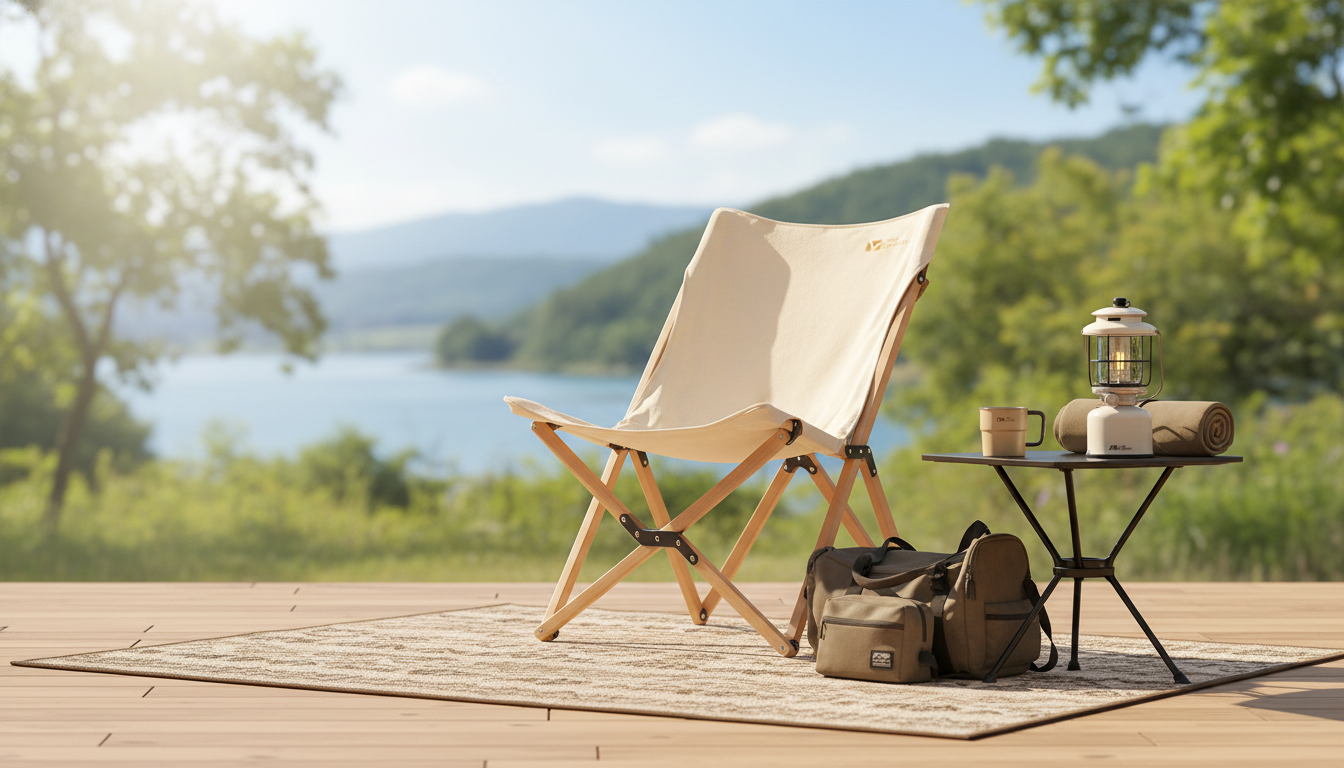
A portable camping folding chair adds a reliable place to rest at the campsite, beach, tailgate, or backyard without taking up much space. The best options balance comfort, stability on uneven ground, quick setup, and materials that handle sun, dirt, and moisture with minimal fuss. When the day runs long—whether it’s a late-night campfire or a weekend tournament—having a seat you actually want to sit in can make the whole outing feel easier. For more guidance, see ALPHA CAMP Heavy Duty Camping Chair – 500lb Capacity High ….
“Portable” means more than simply “folds up.” The most useful chairs are the ones that travel well with the rest of your gear and don’t become a burden when you’re juggling coolers, tents, and sleeping bags. For further reading, see Beach Chair Japanese Camping Chair Unfold And Unwind With ….
For quick outings, a chair that can live in the car is often the most “portable” choice of all. If it’s easy to carry and easy to open, it’s far more likely to come along.
Comfort isn’t just padding. Outdoors, the right seat height, support, and fabric can keep you relaxed even when the ground is uneven or the weather shifts.
| Style | Best for | Trade-offs |
|---|---|---|
| Classic folding camp chair | Car camping, tailgates, backyard | Bulkier pack size; moderate weight |
| Compact/packable chair | Travel, tighter storage, festivals | Often lower to the ground; less padded |
| Ultralight backpacking chair | Hiking and minimal loads | Higher cost; careful use on rough terrain |
| Low-profile lounge chair | Beach, campfires, relaxed sitting | Harder to stand; not ideal for tall tables |
A chair can look similar online yet feel completely different in person. Build quality shows up in the small details—especially at the joints, corners, and stress points that take the most load when you shift your weight.
If you camp often, it’s worth checking these areas after a trip. Catching a loose joint early can keep a small issue from turning into a mid-weekend breakdown.
For low-impact camping, it also helps to follow responsible site habits—like using established areas and minimizing ground disturbance. The Leave No Trace Seven Principles are a solid refresher before any trip.
For more general chair-shopping tips and fit considerations, REI’s camp chair guidance is a helpful overview.
If you want a ready-to-go seat for campgrounds, outdoor events, and extra seating when packing space is limited, the Portable Camping Folding Chair is a practical pick to keep on hand. It pairs well with a small side table, cooler, or camp kitchen setup for a more comfortable base camp, and it’s also useful as a backup seat kept in the car for spontaneous picnics, kids’ games, and roadside stops. Check the product page for current availability, specs, and ordering details.
Weight capacity varies by frame and design, so check the listed rating on the product details. For comfort and safety, choose a chair with a capacity that gives you extra margin for leaning back and shifting positions.
They can be, but stability depends on foot shape and ground firmness. Wider feet, a flat setup spot, and avoiding slopes help reduce sinking and tipping.
Wipe the chair with mild soap and water, rinse if needed, and let it fully air-dry before placing it back in the carry bag. Store it in a cool, dry place so moisture doesn’t get trapped in folds.











Leave a comment