A textured massage roller can support smoother-looking skin and easier movement by combining deep pressure, tissue mobilization, and targeted stimulation. Used consistently with a smart technique, it can help reduce the look of dimpling, ease tight fascia, and speed up post-workout recovery—without complex routines or expensive appointments. For more guidance, see Objective and subjective reduction of cellulite volume using a … – PMC.
What a fascia and cellulite massage roller is designed to do
A well-made massage roller isn’t a “miracle” tool—it’s a repeatable way to apply controlled pressure and movement to soft tissue. When used with a steady routine, that can make certain areas look and feel better day to day. For further reading, see Should You Try Foam Rolling? – Cleveland Clinic Health Essentials.
- Provide firm, repeatable pressure to soft tissue to help temporarily improve the appearance of skin texture.
- Encourage circulation and fluid movement in areas that commonly feel “stuck” or puffy (thighs, hips, glutes, calves).
- Support fascia glide by applying controlled shear and compression, which can reduce the sensation of tightness.
- Offer a practical option for warm-ups, cooldowns, and daily mobility work at home or on the go.
- Create a consistent self-massage routine that complements training, hydration, and skin care rather than replacing them.
Suggested roller routine by goal and body area
| Goal |
Area |
Pressure level |
Time per area |
Best timing |
| Smoother-looking skin |
Outer thighs/inner thighs |
Light to moderate |
2–4 minutes |
After shower or post-workout |
| Fascia release feel |
Glutes/hips |
Moderate |
2–3 minutes |
Before training or evening mobility |
| Deep tissue recovery |
Quads/hamstrings |
Moderate to firm |
2–5 minutes |
Post-workout cooldown |
| Lower-leg relief |
Calves/shins (gentle) |
Light |
1–2 minutes |
After long standing or walking |
How fascia and cellulite are connected
Cellulite is common, and it’s influenced by multiple factors—so no single tool explains everything or works the same for everyone. That said, understanding the “why” helps set realistic expectations and build a routine that actually sticks.
- Cellulite is influenced by skin structure, connective tissue bands, fat distribution, and fluid retention; results vary by genetics and hormones. For a clear overview of treatment expectations, see the American Academy of Dermatology Association.
- Fascia is connective tissue that helps transmit force and allow smooth movement; stiffness or adhesions can make an area feel tight and may affect how tissue sits under the skin. A helpful primer is available from the Cleveland Clinic.
- Massage and rolling can create short-term changes in tissue hydration and circulation, which may temporarily improve the look and feel of an area.
- Consistent movement, strength training, and body composition changes are often more impactful for longer-term appearance than tools alone.
- A roller works best as a supportive habit: mobilize tissue, then strengthen and move through a fuller range.
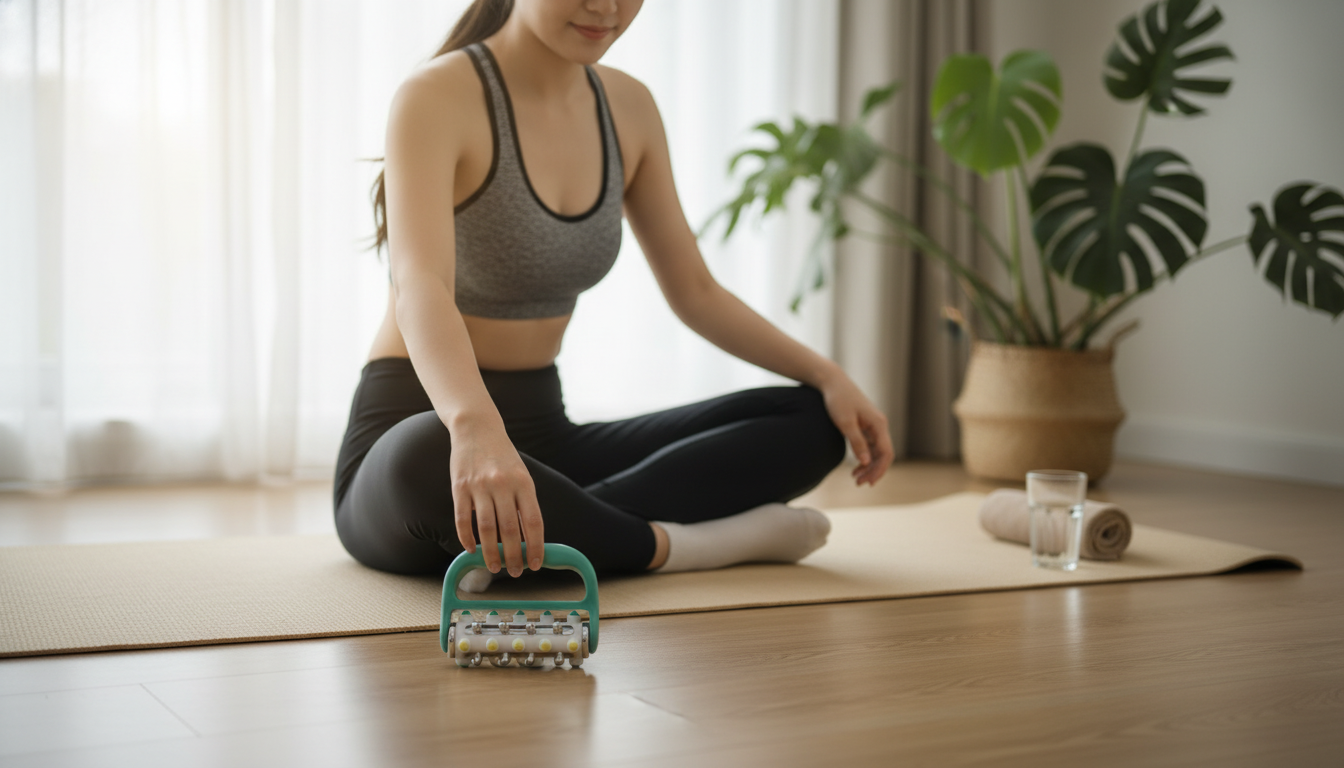
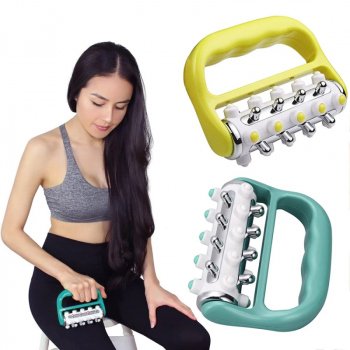
Product spotlight: Cellulite Remover & Fascia Release Muscle Massage Roller
If you want a simple, repeatable way to do deep-pressure self-massage at home, a textured roller is one of the most practical options—fast setup, no appointments, and easy to use on the areas people care about most.
- Purpose-built textured roller to apply focused pressure for deep tissue-style self-massage and fascia glide work.
- Useful for common problem zones: thighs, glutes, hips, calves, arms, and upper back (as tolerated).
- Compact, low-cost option for building a consistent routine without appointments.
- Pair with a small amount of massage oil or body lotion for smoother strokes if skin sensitivity is an issue.
Cellulite Remover & Fascia Release Muscle Massage Roller for Deep Tissue Therapy
Optional add-on for a broader self-care routine
Some shoppers like pairing mobility habits with other at-home upkeep. If you’re building a small “maintenance kit,” this is another in-stock option:
Electric Dental Scaler for Tartar and Stain Removal
How to use it: technique that feels effective (not punishing)
The most common reason people quit rolling is going too hard, too soon. Better results usually come from lighter pressure, slower strokes, and consistency.
- Start with light pressure for the first 3–5 sessions to let skin and tissue adapt; increase only if soreness stays mild.
- Use slow strokes (about 1–2 inches per second) and pause on tender spots for 10–20 seconds while breathing steadily.
- Aim for “productive discomfort,” not sharp pain; pain often triggers guarding and reduces benefit.
- Keep sessions short but frequent: 5–10 minutes total, 3–6 days per week is more sustainable than long sessions.
- Follow rolling with movement: bodyweight squats, glute bridges, hip openers, or a brisk walk to reinforce improved mobility.
For basic rolling safety and practical tips, this overview from Harvard Health Publishing is a solid reference.
Areas to focus on (and common mistakes to avoid)
Targeting the right tissue—and avoiding “grinding”—helps you stay consistent without unnecessary soreness.
What results to expect and how long it can take
Safety notes and who should be cautious
FAQ
Does releasing fascia get rid of cellulite?
Not permanently on its own. Fascia-focused massage and rolling may temporarily improve the look and feel of an area by boosting circulation, shifting fluid, and improving tissue mobility, but cellulite has multiple causes and results vary. Consistency and pairing with strength training and overall healthy habits typically matter most.
How to fix fascia cellulite?
Start with light-to-moderate rolling for 5–10 minutes, 3–6 days per week, using slow strokes and brief pauses on tender spots. Pair that with lower-body strengthening (glutes, hamstrings, quads), daily walking, hydration, and reasonable salt intake. Track changes monthly so you can judge progress realistically.
Recommended for you












Leave a comment