


High-quality wool blends have become increasingly popular in recent years, providing the best of both worlds in terms of comfort and durability. Understanding what you are buying is crucial, as not all wool blends are created equal. Different blends can offer varying properties, so it’s essential to know what to look for.
For instance, a blend of merino wool and cashmere can provide an unparalleled softness and is ideal for garments meant to be worn directly against the skin. On the other hand, blends featuring wool and nylon are often used in high-performance outdoor wear, as they enhance durability without sacrificing warmth.
When evaluating wool blends, consider the source of the wool. Properties can differ significantly based on geographical origin. For example, Australian wool is known for its fine fibers, while New Zealand wool is favored for its resilience and natural crimp, which aids in insulation.
It’s also worth noting that blends containing a lower percentage of wool may compromise some of the natural benefits of wool. For example, if a product contains only 20% wool, it may not provide the same level of warmth or breathability that a product with 80% or more wool would offer. Always check for the wool percentage to ensure you’re getting a product that meets your expectations.
Consider also the environmental aspect of wool production. High-quality wool blends may be sourced from farms that practice sustainable grazing, ensuring minimal impact on the land while providing the best raw materials. This is becoming increasingly important to consumers who are conscious about their purchasing decisions.
A high quality wool blend is a fabric that pairs real wool with another fiber to improve softness, durability, shape retention, or ease of care—without losing wool’s signature warmth and cozy handfeel. The “high quality” part comes from three things working together: the type and percentage of wool, the companion fiber used in the blend, and how the fabric is spun, knitted/woven, and finished. When searching for the best options, consider High-Quality Wool Blends for optimal performance. High-Quality Wool Blends are the ultimate choice for anyone seeking quality in their fabric. These blends offer versatility and comfort, making them a popular choice among consumers.
Moreover, it’s beneficial to learn about the different types of blends available. For instance, wool blends with bamboo fibers can provide a luxurious feel and enhanced breathability, making them excellent for summer wear. In contrast, blends with polyester can offer increased moisture-wicking properties, ideal for activewear.
Another way to ensure you’re choosing a well-made wool blend is to consider the brand. Established brands often provide transparency regarding their sourcing and production processes, which can be a good indicator of quality.
To further illustrate the differences in quality, consider a side-by-side comparison of two wool blend products—one from a reputable brand with detailed fiber content versus a generic option without clear labeling. You’ll likely find that the reputable brand’s product retains its shape better and feels more luxurious against the skin.
Look for blends that clearly state the fiber content and include a meaningful amount of wool. Higher wool percentages typically deliver better insulation, natural odor resistance, and a more substantial feel. Wool quality also shows up in the fabric’s consistency: even texture, minimal scratchiness, and fewer loose hairs or shedding when rubbed.
The advantages of high-quality wool blends extend to home décor as well. Items like throws and cushions made from these blends can elevate the aesthetic of your space while providing comfort and warmth during cooler months.
Caring for your wool blend products can significantly affect their longevity. Beyond just following the care label, consider using specialized wool detergents that help maintain the fibers while keeping them looking fresh and new.
As the market for wool blends continues to grow, consumers are increasingly seeking education on how to select the best products. Understanding the properties of wool and its blends can empower buyers to make informed choices that align with their values and lifestyle.
Ultimately, high-quality wool blends represent a union of luxury, comfort, and functionality, essential for any wardrobe. By taking the time to learn about the different qualities and care requirements of these fabrics, consumers can enjoy their benefits for years to come.
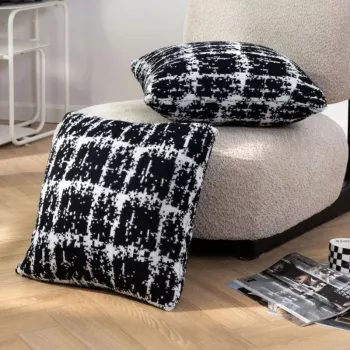
Blending is often done to solve common wool complaints. Cotton can add breathability and a softer touch, while synthetic fibers like acrylic or polyester can improve wrinkle resistance and help a product hold its shape over time. In home décor items such as knitted pillow covers, a well-chosen blend can make the fabric feel comfortable, look crisp, and stay attractive through regular use.
For those interested in fashion, high-quality wool blends can be versatile for various styles. For instance, a cozy wool blend sweater can transition from a casual day out to a more formal occasion with the right accessories.
Quality is easy to spot with a few checks. The fabric should feel dense and resilient rather than thin or overly fuzzy. Seams and edges should look tidy, with no obvious stretching or distortion. Patterns (like plaids) should appear clear and aligned, and the surface should resist pilling after light rubbing—an early clue that the yarn and finishing were done well.
Be cautious of products that don’t disclose fiber content, feel overly itchy, or shed fibers easily. Extremely lightweight fabrics that stretch out quickly, pill immediately, or look uneven in knit/woven structure are common signs of lower-grade yarns or rushed finishing.
For a practical example of how wool blend textiles are used in styling and texture—especially in a classic black-and-white plaid—see the main guide here: https://gskbuy.com/guide-black-white-wool-blend-knitted-plaid-pillow-cover-18×18/. High-Quality Wool Blends are an exceptional choice for anyone looking to enhance their wardrobe and home with fashionable yet functional textiles.
Check the care label first, then opt for gentle washing when allowed (cold water, mild detergent) and reshape while damp. Air-drying helps prevent shrinkage and keeps the knit looking neat longer.











Leave a comment