
Load capacity is a critical consideration when selecting a heavy-duty bracket. This term refers to the maximum load that a bracket can support without risk of failure. Understanding the load capacity involves not only knowing the materials used but also how those materials perform under different conditions. For example, steel brackets typically have a higher load capacity than aluminum due to steel’s superior tensile strength. When determining load capacity, consider not only the weight of the items to be supported but also any dynamic forces that may act on the bracket during usage.
It can be helpful to consult engineering tables or manufacturer specifications that provide load limits based on various factors such as bracket design, material, and intended use. For instance, a wall-mounted shelf bracket may have different load capacities depending on whether it is mounted to wooden studs or concrete masonry. Additionally, load ratings can vary significantly based on the orientation of the bracket; vertical loads can impact brackets differently than horizontal loads.
Fasteners play a crucial role in the overall strength and stability of the bracket installation. Selecting the appropriate type and size of fasteners is essential to securing your heavy-duty bracket adequately. Different materials require different fasteners. For example, wood screws are suitable for wood applications, while masonry anchors are necessary for concrete or brick surfaces.
When choosing fasteners, consider the length and diameter based on the thickness of the material you are fastening into. Using too short or too thin screws can lead to inadequate support and potential failure. Furthermore, be mindful of the environmental conditions; for outdoor applications, corrosion-resistant screws, such as those made from stainless steel, are recommended to ensure longevity.
Safety should always be a top priority when installing heavy-duty brackets. Improper installation can lead to accidents or damage to property. Always ensure that your installation area is clear of hazards and follow all safety procedures. Use appropriate personal protective equipment, such as gloves and safety goggles, especially when drilling or using power tools.
Before installation begins, double-check that you have all necessary tools and that they are in good working condition. Following the manufacturer’s instructions closely is crucial to ensure that all components are installed correctly. If unsure about any steps, consulting a professional can save time and prevent mistakes that could lead to safety risks.
Even the strongest heavy-duty brackets require maintenance to ensure they perform well over time. Regular inspections can help identify any signs of wear or corrosion early, allowing for timely replacement or repairs. Depending on the environment in which brackets are installed, different maintenance routines may be necessary.
For outdoor brackets, consider schedules for cleaning and repainting if necessary to prevent rust and other forms of degradation. Indoors, dust accumulation can weaken connections, so a periodic cleaning routine can maintain the integrity of the bracket. Additionally, ensure that fasteners are tight and secure; vibration and movement can lead to loosening over time.
Choosing the right heavy-duty bracket involves a comprehensive understanding of loads, materials, and installation techniques, as well as ongoing maintenance considerations. By following the guidelines outlined in this article, you can enhance the safety and effectiveness of your bracket installations, ensuring lasting performance for all your heavy-duty applications. Remember to always consider the specific needs of your project and to consult with professionals when in doubt. A properly selected and installed heavy-duty bracket can make all the difference in the stability and functionality of your setups.
Choosing a heavy-duty bracket involves understanding various factors that ensure optimal support for your intended application. It’s essential to match the bracket not only to the real load but also to the mounting surface and the environment in which it will be used. A “strong” bracket that fails to meet the specific requirements of its application can lead to catastrophic failure. Start by visualizing what you’re supporting, whether it’s static weight, dynamic loads, vibrations, or impacts. Narrowing your options based on material, thickness, geometry, and hardware requirements is crucial.
Begin by thoroughly calculating the total weight the bracket will carry, including any additional items that may be placed on it in the future. If your application involves people leaning against it, doors slamming, vehicle movements, or frequent vibrations, treat this as a dynamic load and select a bracket with a generous safety margin. When load ratings are available, ensure they are specified for your mounting orientation (whether wall, ceiling, or corner) and consider the number of brackets used. For example, a shelf that holds heavy books should not only support the weight of the books but also account for any additional pressure when books are placed or removed.
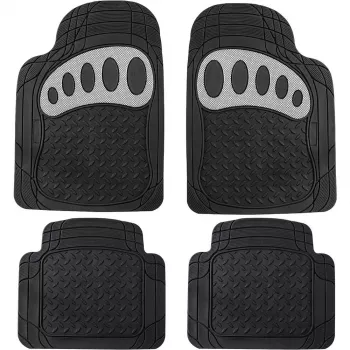
For indoor and dry spaces, powder-coated steel often works well. However, if you are dealing with humid areas, garages, coastal regions, or any environments exposed to weather, prioritize corrosion resistance. In these cases, opting for stainless steel or properly coated/galvanized steel is advisable. This becomes particularly crucial when you’re outfitting a space designed for durability and all-weather performance. Consider the principles involved in selecting rugged protective accessories. For instance, if you frequently park your vehicle outside, you might want to invest in heavy-duty brackets that can withstand harsh weather. This guide on universal heavy-duty all-weather floor mats can help you think through fit and long-term protection considerations.
The geometry of the bracket is vital: L-brackets offer simple 90-degree support, while gusseted or triangular brackets are better suited for higher loads. Wider plates enhance force distribution and reduce the risk of failure under stress. While more thickness and a deeper “leg” generally increase stiffness and strength, factors such as hole placement and the presence of gussets are often more critical than thickness alone. For example, an L-bracket may suffice for lighter applications, but a gusseted bracket could be necessary for supporting a heavy shelf filled with tools.
A heavy-duty bracket is only as strong as the material it’s anchored to. Take the time to identify whether you’re mounting into studs, masonry, metal framing, or thin sheet material, and then select compatible anchors and screw or bolt sizes accordingly. Pay attention to the hole diameter and spacing on the bracket to ensure that you use properly rated hardware without the need for additional drilling or slotting. For example, if you’re mounting a bracket on drywall, using the right wall anchors can prevent the bracket from pulling out under weight.
Always measure the clearances for doors, lids, shelves, or any equipment movement before finalizing your bracket choice. If aesthetics are important, select a finish that resists chipping and hides wear. For outdoor or high-contact areas, a tougher finish can extend service life and minimize maintenance. For instance, choosing a bracket with a rust-resistant finish can save you from frequent replacements in outdoor setups.
A gusseted bracket includes a reinforcing triangle or brace that reduces flex and spreads stress, making it significantly better for heavier loads or applications that experience vibration. In contrast, standard L-brackets typically suffice for lighter duty or shorter spans where deflection does not pose a concern. Understanding this difference can help you select the correct bracket for your specific applications, ensuring greater reliability and safety.












Leave a comment