



To effectively improve your bathroom functionality, you should consider how to Install a Portable Toilet Seat Lifter.
Remember, if you’re unsure, you can always consult guides on how to Install a Portable Toilet Seat Lifter for more detailed information.
It’s crucial to know that many options exist when you decide to Install a Portable Toilet Seat Lifter, ensuring you pick the right product.
Proper cleaning methods will enhance the performance of your choice to Install a Portable Toilet Seat Lifter.
Choosing the right design is vital when you want to Install a Portable Toilet Seat Lifter that matches your bathroom style.
Everyone should know how to use the lifter once they Install a Portable Toilet Seat Lifter for the best experience.
Users report that learning how to Install a Portable Toilet Seat Lifter greatly improves their daily routines.
Many testimonials emphasize how easy it is to Install a Portable Toilet Seat Lifter, which adds to its appeal.
These user experiences highlight that learning to Install a Portable Toilet Seat Lifter can be a hassle-free venture.
Choosing aesthetically pleasing models when you Install a Portable Toilet Seat Lifter can enhance the overall look of your bathroom.
Understanding the steps to Install a Portable Toilet Seat Lifter ensures a smooth experience for everyone’s benefit.
Ultimately, when you Install a Portable Toilet Seat Lifter, you not only improve functionality but also user comfort.
Considering how to Install a Portable Toilet Seat Lifter can lead to better hygiene practices and ease of use.
To maintain cleanliness, it’s crucial to follow the guidelines when you Install a Portable Toilet Seat Lifter.
By keeping these tips in mind, you can easily Install a Portable Toilet Seat Lifter that suits your needs.
When you opt to Install a Portable Toilet Seat Lifter, you ensure a practical and efficient solution.
When considering the installation of a portable toilet seat lifter, think about the type of toilet seat you have. For instance, round and elongated seats are common, and most lifters are designed to accommodate these shapes. However, if you have a unique toilet seat design, ensure that the lifter you choose is compatible. Also, be aware of the weight capacity of the lifter; heavier individuals may require a sturdier design.
Test the installation process to guarantee you can effectively Install a Portable Toilet Seat Lifter.
Another important consideration is the cleanliness of the area around the toilet. Maintaining hygiene not only for the lifter but also for the toilet area is crucial, especially if multiple users will be using the installation. Regular cleaning and maintenance can prevent buildup and ensure safe usage.
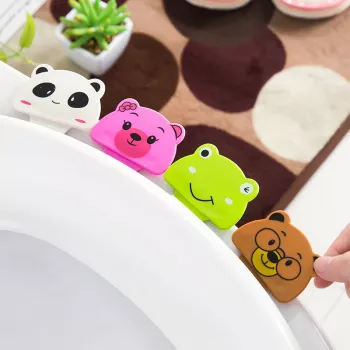
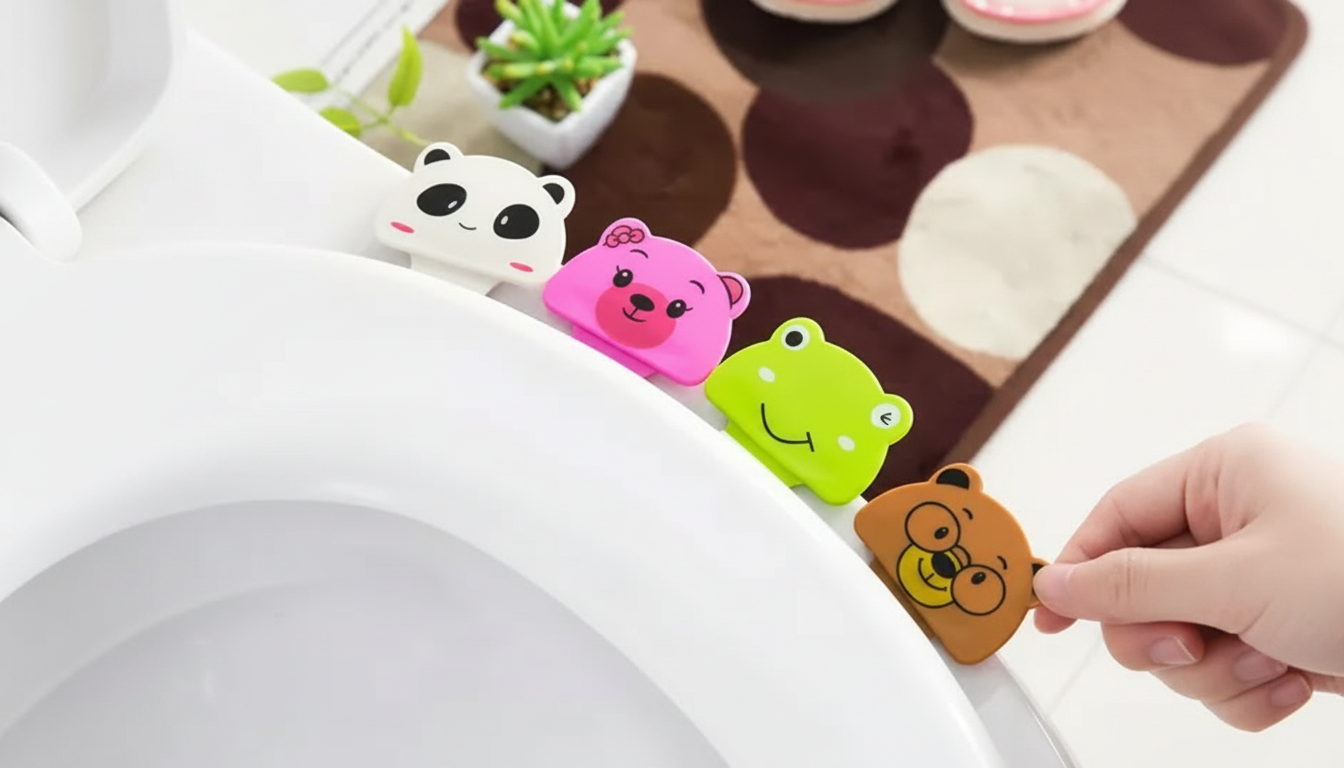
Think about the aesthetic of your bathroom as well. While functionality is key, the appearance of the toilet seat lifter should blend in with your bathroom decor. Many models come in various colors and styles, allowing you to choose one that complements your space.
Finally, consider educating all users on how to properly operate the lifter. Providing clear instructions can help prevent misuse and ensure that everyone in the household can use the lifter effectively.
Many users have found that installing a portable toilet seat lifter has significantly enhanced their bathroom experience. For example, one user noted that the lifter made it much easier for their elderly parent to use the toilet independently, reducing the need for assistance. Another user shared that the lifter improved sanitation by reducing the amount of contact with the toilet seat, which is particularly beneficial for those concerned about germs and bacteria.
Another positive aspect highlighted in user testimonials is the ease of installation. Many customers appreciate the tool-free installation process, noting that it took only a few minutes to set up. This convenience is particularly appealing for those who may not be handy or have the tools required for more traditional installations.
Gaining confidence in how to Install a Portable Toilet Seat Lifter can greatly benefit all users.
Some users have mentioned the aesthetic improvement a lifter can bring to their bathrooms. With various designs available, customers can select a lifter that not only serves a practical purpose but also adds to the overall look of their bathroom.
In conclusion, user feedback overwhelmingly supports the benefits of installing a portable toilet seat lifter, particularly for those with mobility issues or concerns about hygiene. If you’re considering this upgrade for your bathroom, take the time to research and select a product that meets your needs.
Once you learn how to Install a Portable Toilet Seat Lifter, you’ll appreciate the convenience it brings.
Ultimately, installing a portable toilet seat lifter is a simple yet effective way to enhance the functionality and hygiene of your bathroom. These devices cater to a wide range of users, from the elderly to children, providing a user-friendly solution that minimizes unnecessary contact with the toilet seat. As you consider your options, remember to evaluate the lifter’s compatibility with your toilet seat, ease of installation, and aesthetic appeal. With the right choice, you can significantly improve your bathroom experience.
A no-tool, no-drill portable toilet seat lifter typically installs with a clamp, adhesive pad, or slip-on bracket that grabs the toilet seat without changing your bathroom hardware. The goal is simple: attach the lifter to the seat securely, test the lift motion, and make sure it won’t shift during daily use. This method not only enhances convenience but also promotes hygiene by minimizing contact with the toilet seat itself.
Before you begin the installation process, it is essential to lift the toilet seat and lid, then wipe the attachment area with soap and water or rubbing alcohol to remove oils and residue. This preparatory step is critical to ensure a strong grip. After cleaning, dry the area completely. Most “no tools” installs fail because the surface is damp or dusty, especially around textured plastic. A well-prepared surface will significantly improve the effectiveness of the installation.
Before removing any backing or tightening anything, hold the lifter where your hand naturally reaches—commonly on the front-right edge of the seat. This position should feel comfortable and intuitive. Check that it won’t bump the tank, interfere with the lid, or press against the bowl rim when the seat is down. Positioning is also key to making the lifting motion feel natural and ensuring ease of use for all family members.
Follow the product’s specific style:
Clamp-on: Open the clamp, slide it over the seat edge, then hand-tighten the knob until snug. It’s crucial to avoid over-tightening, as this can crack thinner plastic seats. A clamp-on style is often the most secure but requires careful attention during installation.
Adhesive mount: Peel the backing, press firmly for 30–60 seconds, and let it set before heavy use (often a few hours). If the instructions specify a cure time, honor it for the best hold. Using an adhesive mount can give a sleek appearance without any visible hardware.
Slip-on bracket: Fit it over the seat edge until it sits flush and doesn’t wobble; some designs click into place. This style is usually the easiest to install and remove if necessary.
Once you’ve installed the lifter, lift and lower the seat several times using the lifter. If it rotates or slides, reposition and re-secure. The lifter should move the seat smoothly without forcing your wrist or pinching fingers. A stable installation is vital for user comfort and safety, so testing is an essential step.
Recheck tightness (for clamp styles) weekly at first. For adhesive styles, avoid harsh cleaners directly on the pad and wipe gently around the mount to prevent peeling. Regular maintenance will ensure the longevity of the lifter and prevent any unexpected failures during use. Additionally, consider using a soft cloth to clean around the lifter to maintain hygiene.
For a deeper walkthrough and handling tips, see the full guide here: https://gskbuy.com/guide-portable-frog-toilet-seat-lifter-cleaner-handling/.
Most lifters work on standard round and elongated seats, but very thick, curved, or cushioned seats can reduce grip. It is important to check the product’s maximum seat thickness and recommended mounting edge before buying. Understanding the compatibility of your toilet seat with the lifter can save you time and ensure a successful installation.











Leave a comment