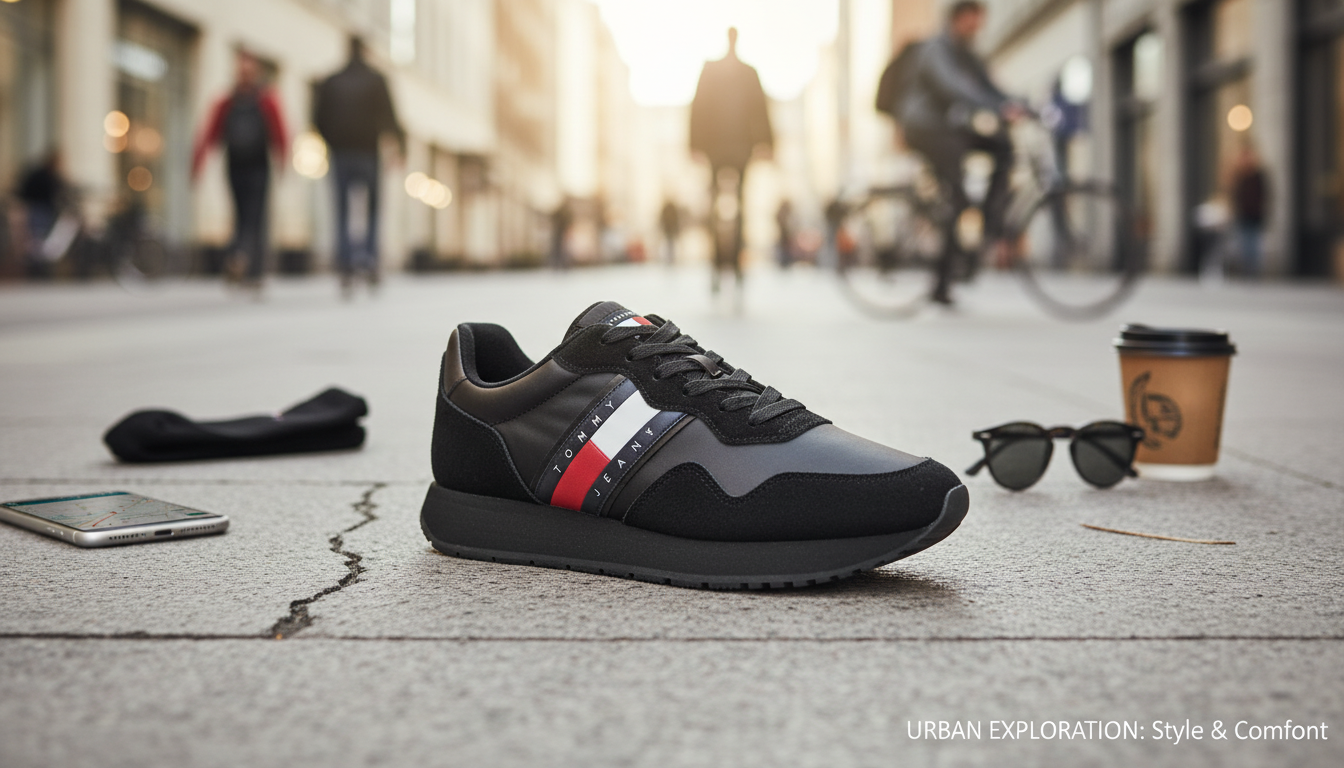
Black suede looks sharp, but fall rain and winter slush can stain it fast. The best protection is a combination of prevention (waterproofing and smart wear choices) and quick after-care (drying and brushing) so moisture doesn’t set into the nap or leave salt rings.
Use a spray labeled for suede or nubuck (not a heavy wax meant for smooth leather). On clean, dry sneakers, mist an even coat from about 6–8 inches away, let it dry fully, then apply a second light coat. Reapply every few weeks during wet season, or sooner if water stops beading on the surface.
Before spraying, gently brush with a suede brush to lift the nap and remove dust. If there are shiny, flattened areas, use a suede eraser first, then brush again. Waterproofing works best when it can coat fibers evenly, not dirt.
Suede can handle light mist when protected, but it’s still vulnerable to soaked sidewalks, puddles, and plowed snow. On heavy rain or snow days, rotate in a water-resistant pair and save suede for drier conditions.
Blot gently with a clean cloth—don’t rub. Stuff the shoes with paper (swap it as it dampens) and let them air-dry at room temperature. Keep them away from heaters, radiators, and hot air, which can stiffen suede and cause water marks.
After a salty walk, wipe the edges and uppers lightly with a barely damp cloth. If a salt ring appears, a small amount of diluted white vinegar on a cloth can help lift it; once dry, brush to restore texture.
For more detailed care steps and product guidance, see the full guide here: https://gskbuy.com/how-do-you-protect-suede-sneakers-from-rain-and-snow-in-fall-and-winter/.
Let the shoe dry, then lightly treat the salt mark with a cloth dampened with diluted white vinegar or plain water, blotting instead of rubbing. After it dries completely, brush with a suede brush to lift the nap and even out the color.












Leave a comment