
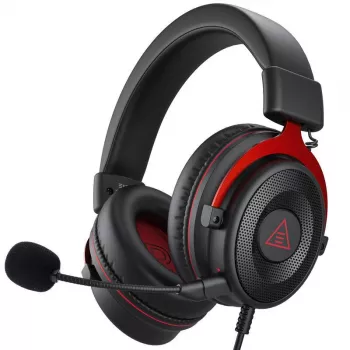
A gaming headset is built to make audio feel directional, close, and detailed—so gameplay cues sound like they’re happening around you instead of coming from a flat pair of speakers. The result is a more convincing sense of space that can improve both enjoyment and performance.
Good gaming headsets help you pinpoint where sounds originate—footsteps behind you, reloads to the left, or a vehicle approaching from the distance. That clarity can translate into faster reactions, smarter decisions, and fewer surprises in competitive matches.
Immersive sound isn’t only about loudness; it’s about separation and texture. A quality headset can make ambient audio (wind, echoes, environmental effects) feel layered and lifelike, while keeping dialogue and key sound effects crisp instead of muddy.
Many gaming headsets include a tuned microphone designed for clear chat in noisy moments. This keeps teamwork smooth—callouts stay intelligible even when explosions and music ramp up.
Headsets reduce the impact of room acoustics and background noise compared with external speakers. Whether you’re gaming late at night, in an apartment, or in a shared room, you’re more likely to hear the same balanced mix every session.
Immersion breaks fast if your ears hurt. Gaming headsets often prioritize padded ear cups, adjustable fit, and manageable clamp pressure to stay comfortable during extended play.
For a deeper look at creating a more three-dimensional experience—including setup tips and mic options—visit this 3D sound gaming headset guide.
For Gaming Headset Benefits for Truly Immersive Sound, the best answer depends on fit, material, care instructions, and how the product will be used day to day.
No—strong stereo imaging and good tuning can still deliver excellent direction and depth. Virtual surround can help in some games, but it works best when the headset already has clear separation and you fine-tune settings per title.









Leave a comment