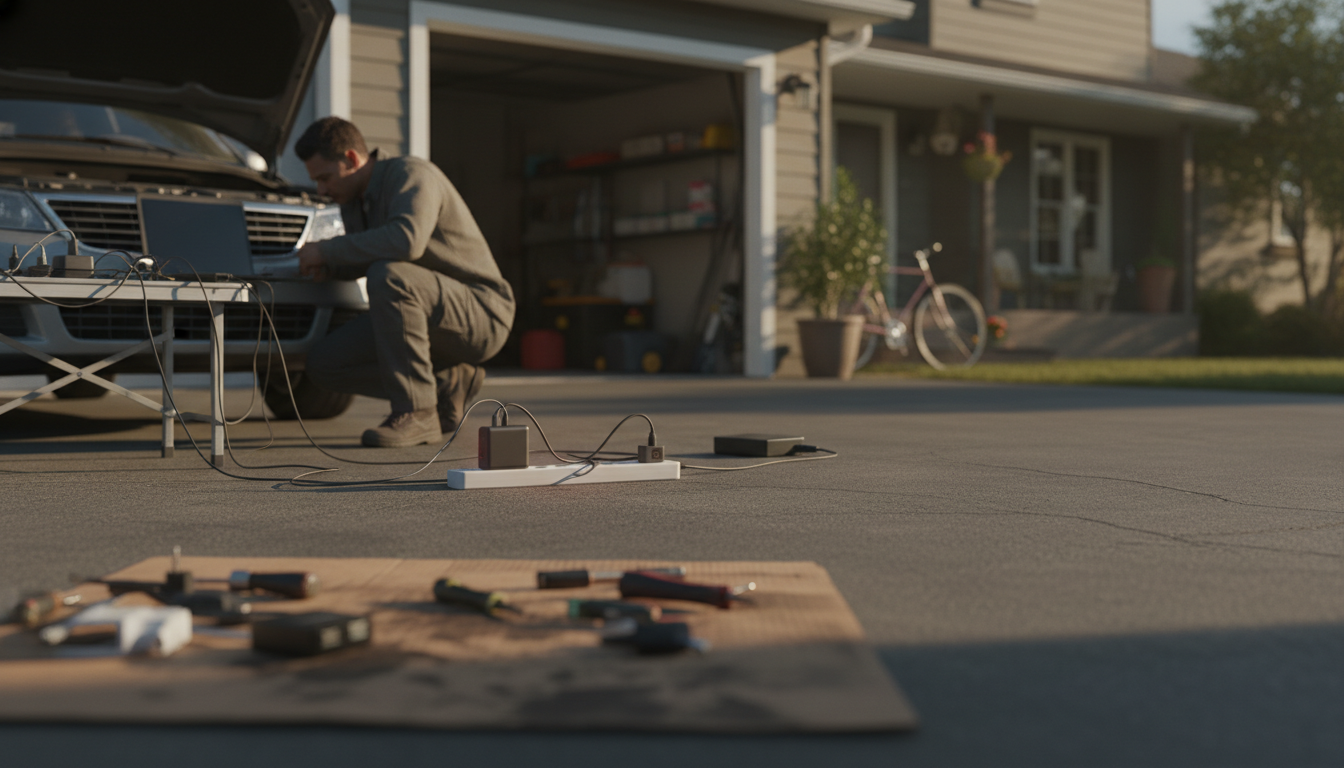
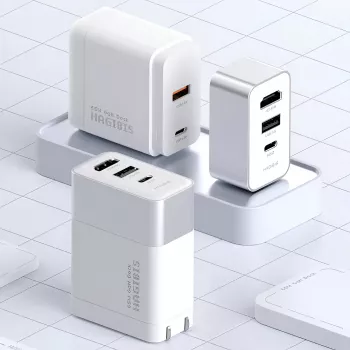
GaN (gallium nitride) chargers are popular because they can be smaller and more efficient than older silicon chargers, but they’re not perfect. The main disadvantages tend to show up around cost, heat management in compact designs, real-world compatibility, and feature trade-offs in multiport models.
GaN chargers often cost more than comparable silicon options at the same wattage. The premium usually comes from newer components, tighter engineering, and additional safety circuitry needed to package high power into a small footprint.
Even when a GaN charger is efficient, pushing 65W+ through a tiny body can make it feel hot to the touch—especially in warm rooms, when powering a laptop, or when multiple ports are active. Many are designed to safely run warm, but the heat can be uncomfortable and may lead to power throttling under heavy load.
Multiport GaN chargers commonly “split” wattage between ports. Plugging in a second device can reduce laptop charging speed, or cause the charger to renegotiate power and briefly disconnect. This isn’t a defect—just how many PD profiles and internal power budgets work—but it can be annoying if predictable output matters.
Most modern devices charge fine, but some older gear (or picky USB-C devices) may not negotiate power the way you expect. Certain handhelds, docks, or cables may require specific PD profiles, a particular port, or a higher-quality USB-C cable to reach full speed.
Because GaN chargers are compact and high-powered, build quality and thermal design matter. Off-brand models can cut corners on protections, component quality, or certification, increasing the risk of instability, coil whine, or premature failure.
For a deeper look at what to expect from a 65W GaN charger and dock-style options, see the full guide here: https://gskbuy.com/guide-65w-gan-charger-dock-4k-hdmi-switch-steam-deck/.
Generally yes, as long as it’s from a reputable brand with proper protections and certifications. Avoid covering it, keep it ventilated, and replace it if it shows excessive heat, buzzing, or a loose plug fit.










Leave a comment