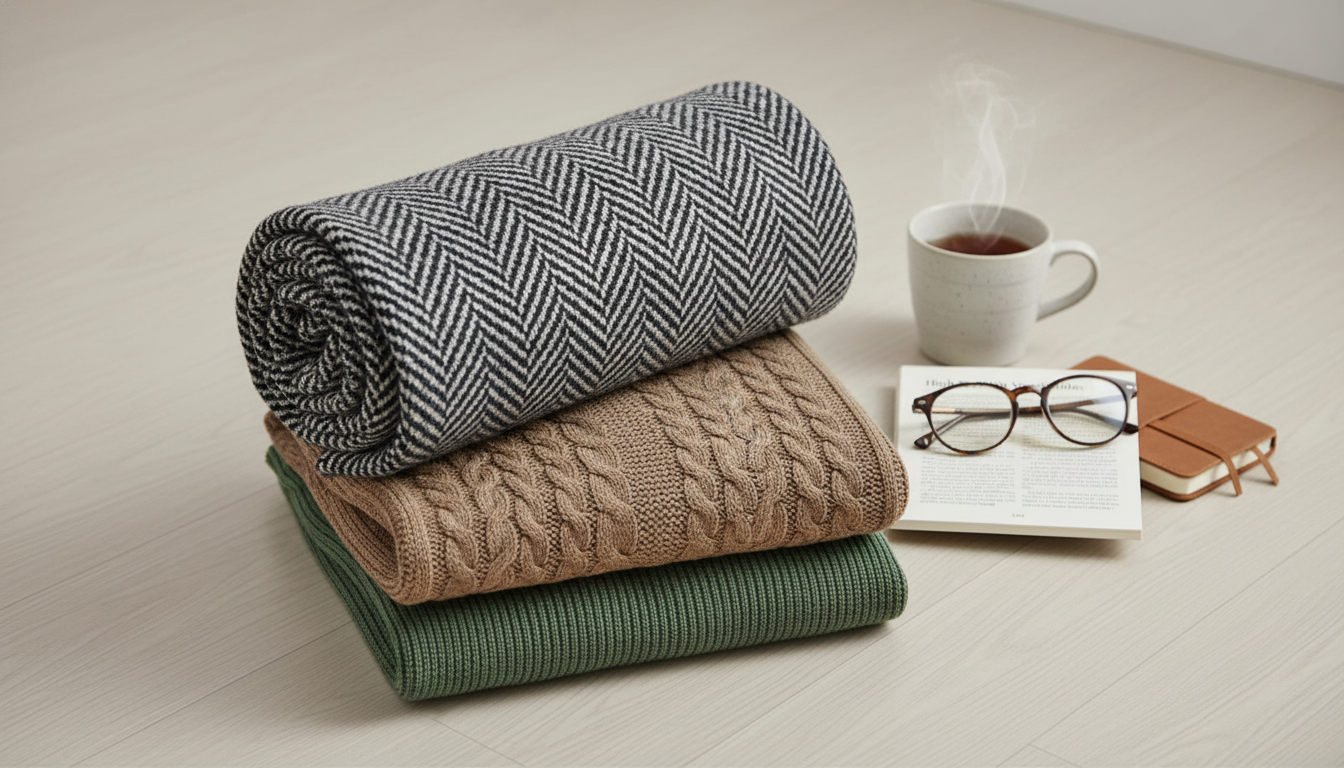
A high quality wool blend is a fabric that pairs real wool with another fiber to improve softness, durability, shape retention, or ease of care—without losing wool’s signature warmth and cozy handfeel. The “high quality” part comes from three things working together: the type and percentage of wool, the companion fiber used in the blend, and how the fabric is spun, knitted/woven, and finished.
Look for blends that clearly state the fiber content and include a meaningful amount of wool. Higher wool percentages typically deliver better insulation, natural odor resistance, and a more substantial feel. Wool quality also shows up in the fabric’s consistency: even texture, minimal scratchiness, and fewer loose hairs or shedding when rubbed.
Blending is often done to solve common wool complaints. Cotton can add breathability and a softer touch, while synthetic fibers like acrylic or polyester can improve wrinkle resistance and help a product hold its shape over time. In home décor items such as knitted pillow covers, a well-chosen blend can make the fabric feel comfortable, look crisp, and stay attractive through regular use.
Quality is easy to spot with a few checks. The fabric should feel dense and resilient rather than thin or overly fuzzy. Seams and edges should look tidy, with no obvious stretching or distortion. Patterns (like plaids) should appear clear and aligned, and the surface should resist pilling after light rubbing—an early clue that the yarn and finishing were done well.
Be cautious of products that don’t disclose fiber content, feel overly itchy, or shed fibers easily. Extremely lightweight fabrics that stretch out quickly, pill immediately, or look uneven in knit/woven structure are common signs of lower-grade yarns or rushed finishing.
For a practical example of how wool blend textiles are used in styling and texture—especially in a classic black-and-white plaid—see the main guide here: https://gskbuy.com/guide-black-white-wool-blend-knitted-plaid-pillow-cover-18×18/.
Check the care label first, then opt for gentle washing when allowed (cold water, mild detergent) and reshape while damp. Air-drying helps prevent shrinkage and keeps the knit looking neat longer.











Leave a comment