
Both types of watches utilize a battery-powered quartz movement, renowned for its precision in timekeeping. However, a chronograph quartz watch distinguishes itself by incorporating a built-in stopwatch function. Unlike a standard quartz watch, which prioritizes the basic function of timekeeping and may sometimes feature a date display, a chronograph offers additional complexity and features that can be appealing to those who need more than just the time. This combination of functionality and style caters to a diverse audience, from casual wearers to dedicated sports enthusiasts.
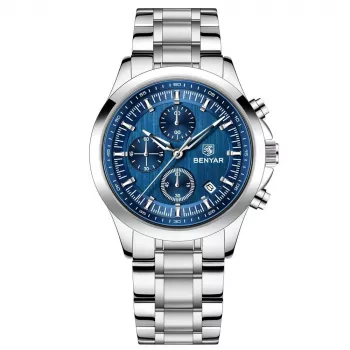
A chronograph quartz watch is essentially a quartz watch with added functionality through extra timing hardware and controls. You typically find two pushers (buttons) on the case—one above and one below the crown—that are used to start, stop, and reset the stopwatch function. The dial often features subdials (smaller circles) that track elapsed seconds, minutes, and sometimes hours, depending on the watch’s design. This added complexity allows for precise timing, which is particularly beneficial to athletes, hobbyists, and anyone who has a need for timing events accurately, such as cooking or timing meetings. For instance, a runner may utilize the chronograph feature to monitor lap times during their training sessions, making it an invaluable tool for tracking performance and progress.
In contrast, a standard quartz watch is designed primarily for straightforward time display. It typically has fewer moving parts on the display, presenting a cleaner face that emphasizes readability. Most standard quartz watches come equipped with just the crown for setting time and may include a date quick-set feature on many models. Because they do not require additional mechanisms for stopwatch hands and subdials, these watches can be easier to read at a glance and often provide slightly longer battery life in comparable setups. The straightforward nature of a standard quartz watch makes it a practical choice for everyday wear, appealing to individuals who appreciate simplicity and functionality without the extra features that can complicate usage.
Choosing between a chronograph and a standard quartz watch ultimately depends on your intended application. If timing workouts, cooking, tracking parking meters, or managing meeting times regularly forms part of your daily routine, a chronograph can be genuinely beneficial. For example, during a training session, a runner might leverage the chronograph function to keep track of lap times, providing valuable data to enhance performance. Conversely, if your preference leans toward a minimalist aesthetic, streamlined functionality, and the convenience of ‘set it and forget it,’ a standard quartz watch is often the more suitable option. This makes it a practical choice for individuals who prioritize ease of use and simplicity over the additional features offered by chronographs.
For an in-depth analysis of features, styling options, and key considerations when purchasing, refer to this comprehensive guide: Luxury Quartz Chronograph Watch for Men Buying Guide. This resource will help you navigate the various options available, ensuring you make an informed decision based on your needs and preferences.
In assessing the preferences of potential buyers, several factors come into play, including style, functionality, and personal taste. When comparing a Chronograph vs Standard Quartz Watch, the ‘best’ choice varies depending on individual needs, fit, material, care instructions, and the watch’s intended daily use. The ideal watch should reflect the wearer’s personal style while simultaneously being practical for everyday activities. For example, someone who frequently engages in outdoor activities may favor a robust chronograph that withstands rugged conditions, while a business professional might opt for a sleek standard quartz watch that complements formal attire.
Before making a purchase, it is essential to carefully examine these details to prevent mismatches and ensure that the choice remains practical after delivery. The decision could also involve anticipating future applications, such as needing a stopwatch for upcoming events or simply appreciating the aesthetic appeal of the timepiece. Additionally, understanding the watch’s features and how they align with your lifestyle will help you make a choice that you will be satisfied with for years to come.
As you consider the differences between a chronograph quartz watch and a standard quartz watch, it’s crucial to reflect on how each type aligns with your lifestyle and preferences. While chronographs offer advanced functionalities that can greatly benefit individuals engaged in activities requiring precise timekeeping, standard quartz watches provide a reliable and straightforward option for daily wear. Ultimately, the right choice will not only depend on the features offered but also on how well the watch complements your personal style and meets your functional needs over time.
Choosing a watch is a personal decision that goes beyond mere aesthetics; it’s about finding a piece that resonates with your daily life, enhances your experiences, and reflects your personality. Whether you opt for the multifunctional appeal of a chronograph or the simplicity of a standard quartz watch, understanding the distinct features of each will enable you to make an informed choice that you can enjoy for years to come.
When weighing the pros and cons of each watch type, it’s important to consider the specific advantages that each offers to different types of users. For instance, chronographs are favored for their multifunctionality. Not only do they tell time, but they also provide the ability to measure time intervals accurately. This feature is particularly advantageous for sports enthusiasts, who may use it to time races or training sessions. Additionally, many chronographs boast stylish designs that can enhance an outfit’s overall aesthetic, making them a popular choice for social occasions.
On the other hand, standard quartz watches excel in their ease of use and reliability. Their uncomplicated design ensures that users can quickly check the time without fumbling with buttons or settings. This simplicity is especially appealing in a fast-paced environment where quick time checks are necessary. Furthermore, standard quartz watches often come at a lower price point than their chronograph counterparts, making them a budget-friendly option for those looking for a reliable timepiece.
Ultimately, determining the best option depends on individual preferences and lifestyle needs. Someone seeking a watch that serves as a tool for timing while also providing a fashionable statement may lean towards a chronograph. In contrast, individuals who prioritize straightforward functionality and cost-effectiveness may find that a standard quartz watch meets their requirements more effectively.
Yes. Running the chronograph continuously makes the movement drive additional hands and counters, which increases power draw and can shorten battery life compared with using it only occasionally. Users should consider this when deciding how often to use the stopwatch function.











Leave a comment