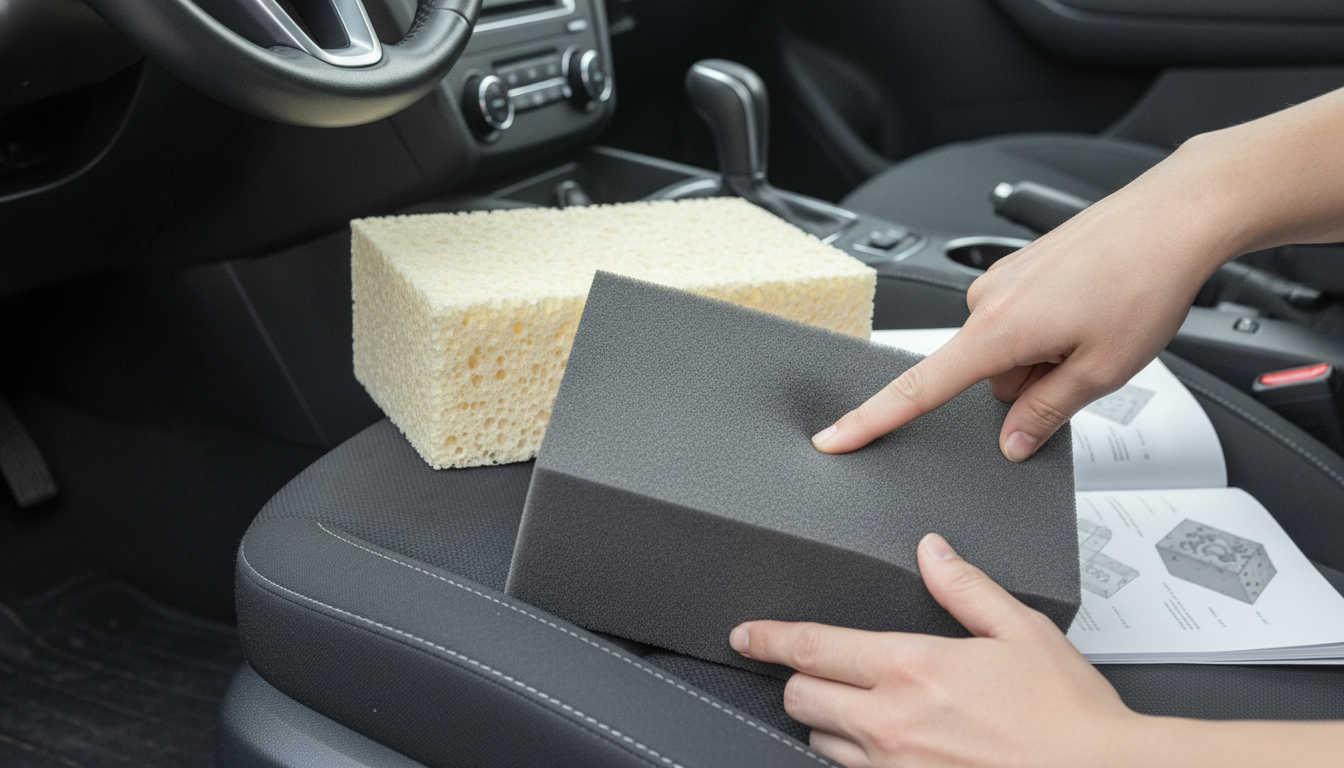
High-density foam and regular foam may look similar, but they’re built differently and perform differently over time. The biggest distinction is how much material is packed into each cubic foot of foam. High-density foam contains more polymer per volume, which typically makes it more supportive, more durable, and better at holding its shape compared to regular (lower-density) foam.
High-density foam is engineered with a tighter cell structure and greater mass per cubic foot. Because there’s more material doing the work, it usually provides steadier support and resists sagging longer. This can matter for items that get frequent use, such as seat cushions, mattresses, bench pads, and upholstered furniture.
In practical terms, high-density foam tends to feel more “substantial.” It can still be soft or firm—density doesn’t automatically mean hardness—but it often rebounds better and maintains a more consistent feel as months and years pass.
Regular foam (often lower-density polyurethane foam) is widely used because it’s affordable and lightweight. It can feel comfortable at first and may be perfectly fine for occasional-use cushions, guest room setups, decorative pillows, and temporary projects.
The tradeoff is longevity. Lower-density foams typically break down faster, leading to flattening, less support, and a “bottoming out” sensation under pressure—especially in high-traffic or higher-load applications.
If you want longer-lasting support for everyday use, high-density foam is usually the better value even if it costs more upfront. If the item won’t be used often—or you’re working within a tight budget—regular foam can be a practical choice.
For more details and comparison points, visit the full guide here: https://gskbuy.com/what-s-the-difference-between-a-high-density-foam-and-a-regular-foam/.
Not necessarily. Density measures how much material is in the foam, while firmness describes how the foam feels under pressure. A foam can be high-density and still feel plush, depending on its formulation.












Leave a comment