
The best light for frogs is one that matches the needs of the species: a gentle day/night rhythm, the right warmth, and—when required—appropriate UVB. Many frogs don’t need bright lights at night at all; they do best with darkness so their natural behaviors and sleep cycles stay intact.
Most pet frogs thrive with a consistent photoperiod, typically around 10–12 hours of light and 12–14 hours of darkness. A soft daytime light (or ambient room light) can be enough for many setups, especially if the enclosure is in a bright room. At night, avoid turning on regular lamps or overhead lights—darkness is usually the healthiest “night light” for frogs.
Frogs are sensitive to intense light and sudden changes. If you need visibility in the evening (for quick checks or feeding), use a very dim, warm-toned light placed outside the enclosure, and keep it on briefly. Avoid white or blue “night lights” inside the tank, which can disrupt nighttime activity.
Some frog species benefit from low-level UVB, while others do fine without it if their diet is properly supplemented. If UVB is used, choose a low-output UVB designed for amphibians and follow the manufacturer’s distance and replacement schedule. Provide shaded areas so the frog can self-regulate exposure.
If warmth is needed, it’s often better to use a thermostat-controlled heat source that doesn’t blast visible light into the enclosure at night (such as a heat mat on the side of the tank or a ceramic heat emitter used carefully). This supports stable temperatures without interfering with darkness.
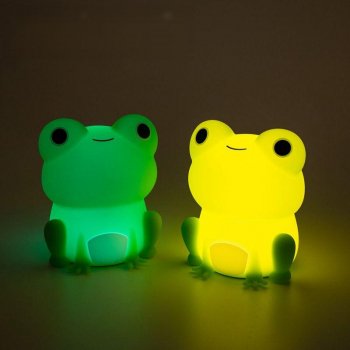
For a kid-friendly option that keeps bedtime calm without flooding the room with brightness, see the frog-themed night light guide here: https://gskbuy.com/guide-frog-night-light-for-kids-soft-silicone-dimmable-glow/.
Many frogs can still detect red light to some degree, and even dim red lighting may affect natural nighttime behavior. When possible, keep the enclosure dark and use brief, low-intensity light only when necessary.












Leave a comment