
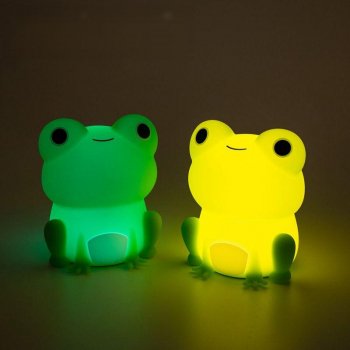
Most frogs do not need light at night—and many do better without it. Frogs are generally crepuscular or nocturnal, meaning their bodies are tuned for low light. In a habitat, constant nighttime lighting can disrupt normal activity patterns, reduce appetite, and create stress by removing the dark “rest” period they’re adapted to. For example, species like the African Clawed Frog thrive in darkness, where they can engage in natural behaviors such as foraging and breeding without the stress of artificial light exposure. However, if you are considering providing some kind of illumination, a Frog Night Light can be one option to explore. A Frog Night Light can help maintain a balanced environment if used sparingly.
Instead of a night light, frogs typically need a stable day/night cycle. A common approach is 10–12 hours of daylight (from ambient room light or an appropriate daytime bulb) followed by true darkness at night. Darkness helps support natural rhythms and encourages normal hiding, hunting, and resting behaviors. Moreover, some frogs, such as tree frogs, rely on the absence of light to regulate their hormones and reproductive cycles. It’s important to mimic these natural conditions as closely as possible.
There are a few situations where a dim light at night can help humans without significantly bothering the frog:
Checking on the enclosure: If a quick look is needed, use very low, indirect light for a short time. This allows you to monitor your frog’s health without disrupting its nighttime routine.
Room safety for kids: If a child needs a night light, place it across the room or shield it so it doesn’t shine directly into the tank. This way, you can ensure the child feels safe while the frog remains undisturbed.
Observation: For brief viewing, a dim red light is often less disruptive than bright white or blue light, but it still shouldn’t run all night. Red light has a longer wavelength which is less likely to disturb the frogs’ natural behaviors.
Bright LEDs, blue “moonlight” bulbs, and any heat-producing bulbs left on overnight can create problems. Bright light can keep a frog from settling, while extra heat can dry the enclosure and upset humidity—especially for species that rely on consistently moist conditions. For instance, the Amazon Milk Frog thrives in high humidity and a stable temperature, which can be compromised by inappropriate lighting. If nighttime warmth is needed, a thermostat-controlled heat source designed for reptiles/amphibians is safer than using light for heat. This ensures that the frogs can maintain their preferred environmental conditions without unnecessary stress.
If the goal is a gentle glow for bedtime, focus on keeping the frog’s enclosure dark and using a soft, dimmable light in the room. For ideas on choosing a gentle option and setting brightness so it’s not overwhelming, see this frog night light guide. Additionally, engaging children in the responsibilities of caring for frogs can enhance their understanding of these creatures and the importance of mimicking their natural environments.
Many frogs have good low-light vision and are active at dusk or nighttime. They don’t need additional light to function normally after dark. For example, species like the Pacific Tree Frog have adapted to hunt and navigate in low-light conditions, utilizing their excellent eyesight to find food and avoid predators.












Leave a comment