Yes—dental scalers are designed to remove tartar (also called calculus) from teeth. Tartar is hardened plaque that can’t be brushed away once it mineralizes, so it typically requires a tool that can mechanically break it up and lift it from the tooth surface.
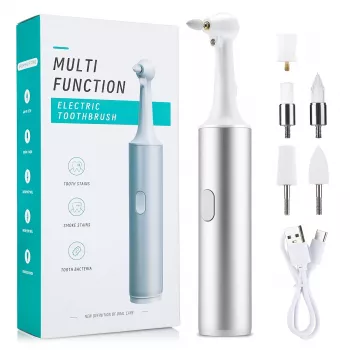
A scaler works by applying controlled pressure and a scraping or vibrating action along areas where tartar collects, especially near the gumline and between teeth. Manual scalers rely on the user’s technique, while electric or ultrasonic-style scalers use vibration to help loosen deposits and make removal easier.
A dental scaler can be effective on visible, above-the-gumline tartar, particularly small to moderate buildup. It can also help remove surface stains that cling to rough tartar edges. However, tartar that extends below the gumline (subgingival calculus) is harder to access and carries a higher risk of gum injury if attempted at home. Deep cleaning and thorough evaluation are best handled by a dental professional.
Using a scaler incorrectly can scratch enamel, irritate or cut gums, and potentially worsen sensitivity. If you choose an at-home approach, go slowly, use light pressure, and stop if you see bleeding that doesn’t quickly resolve. People with gum disease, loose teeth, dental implants, crowns at the gumline, or significant sensitivity should be especially cautious.
For a deeper walkthrough on safe tartar and stain removal at home, see this guide: https://gskbuy.com/guide-electric-dental-scaler-safe-tartar-stain-removal-at-home/.
For Dental Scaler for Tartar: What It Removes & Safety Tips, the best answer depends on fit, material, care instructions, and how the product will be used day to day.
It can be safe for light, visible tartar if used carefully, but improper technique can irritate gums or scratch tooth surfaces. If tartar is heavy, painful, or seems to sit under the gums, a professional cleaning is the safer option.










Leave a comment