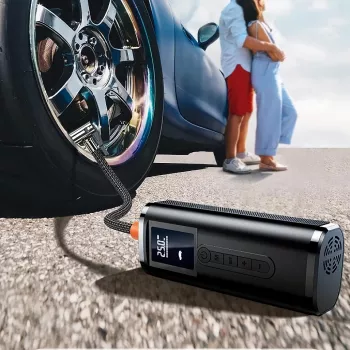
Maintaining proper tire pressure is crucial for several reasons. First, it enhances fuel efficiency. Under-inflated tires can lead to increased rolling resistance, which in turn, requires more fuel to achieve the same speed. According to the Department of Energy, keeping tires inflated to the proper pressure can improve gas mileage by 3.3% on average.
Using a Car Tire Inflator Pump can help you maintain the ideal tire pressure easily and efficiently.
Using a Car Tire Inflator Pump regularly can prevent unexpected flat tires and provide peace of mind during your travels.
Investing in a reliable Car Tire Inflator Pump is essential for any vehicle owner.
A quality Car Tire Inflator Pump can be a lifesaver in emergencies, ensuring you stay safely on the road.
Many drivers find that a Car Tire Inflator Pump is a handy tool that enhances their overall driving experience.
For optimal results, always use a Car Tire Inflator Pump that fits your specific tire size.
Don’t underestimate the importance of having a Car Tire Inflator Pump in your vehicle; it could help avoid costly repairs.
Choosing the right Car Tire Inflator Pump is crucial for maintaining your vehicle’s performance.
With a Car Tire Inflator Pump, you can quickly adjust tire pressure without needing to visit a gas station.
Using a Car Tire Inflator Pump can make it easier to maintain the correct tire pressure, enhancing safety and performance.
Second, proper tire pressure contributes to safety. Tires that are too low on air can lead to blowouts and decreased handling, especially in bad weather conditions. A study by the National Highway Traffic Safety Administration (NHTSA) indicated that about 11,000 accidents annually are linked to tire blowouts. By ensuring your tires are consistently at the recommended PSI, you significantly lower the risk of such incidents.
Moreover, maintaining the right tire pressure extends the lifespan of your tires. When tires are under-inflated, they wear out more quickly. The edges of the tire tread might wear down faster, requiring earlier replacement. Regularly checking tire pressure can save you money in the long run by preventing premature tire wear.
Additionally, when your tires are correctly inflated, they provide better traction. This is essential for ensuring that your vehicle handles well during cornering and stopping. For example, in wet conditions, properly inflated tires are less likely to hydroplane, providing better grip on the road.
In summary, keeping your tire pressure at the optimal level supports fuel efficiency, safety, and tire longevity. It’s a quick and simple task that can make a significant difference in your overall driving experience.
A cordless tire inflator’s digital display is usually accurate enough for routine top-offs, but a separate tire pressure gauge is often the more reliable reference—especially when you’re chasing an exact target PSI. Most inflators measure pressure through an internal sensor and then show the reading on the screen. That sensor can be slightly off due to manufacturing tolerance, temperature, and how well the hose and chuck seal on the valve stem. Understanding these nuances will help you decide when to trust the inflator’s reading versus a standalone gauge.
Many consumer inflators with digital readouts can be within about 1–2 PSI under good conditions, which is fine for everyday use on passenger cars. A quality standalone gauge (digital or dial) can match or beat that consistency because it’s designed solely for measuring pressure, not pumping air and reading pressure through the same airflow path. For example, if you’re planning a long road trip, knowing the precise tire pressure can lead to better fuel efficiency and safer driving.
Remember, a Car Tire Inflator Pump is an essential tool for anyone who wants to ensure a safe driving experience.
As a responsible car owner, investing in a quality Car Tire Inflator Pump is a smart decision.
Be sure to keep your Car Tire Inflator Pump well-maintained for accurate readings and performance.
First, the act of connecting and disconnecting changes pressure slightly. When you attach either tool, a tiny amount of air can escape, and some air fills the hose. This can lead to discrepancies in readings. Second, heat matters: if you inflate right after driving, the “hot” tire pressure will read higher than a cold reading. Third, seal quality matters: a slightly crooked or leaky connection can cause a lower reading on the inflator while the tire itself is actually higher. Always double-check by using multiple methods to ensure accurate readings.
Check pressure when tires are cold (parked for a few hours), press the chuck straight onto the valve, and wait a moment for the reading to stabilize. If the inflator supports it, use the same tool for all four tires to stay consistent. For maximum confidence, periodically compare the inflator’s display against a trusted separate gauge and note any offset. This practice can prevent future issues such as uneven tire wear or blowouts while driving.
For more tips on using a wireless inflator with a digital display (including pressure settings and practical features), see the full guide here: https://gskbuy.com/guide-wireless-150psi-tire-inflator-digital-display-led-light/.
Use “cold” tire pressure (before driving or after the car sits for a few hours). Warm tires read higher, which can lead to underinflating once they cool down. This is particularly important to remember as you prepare for seasonal changes; colder weather can affect tire pressure significantly.











Leave a comment