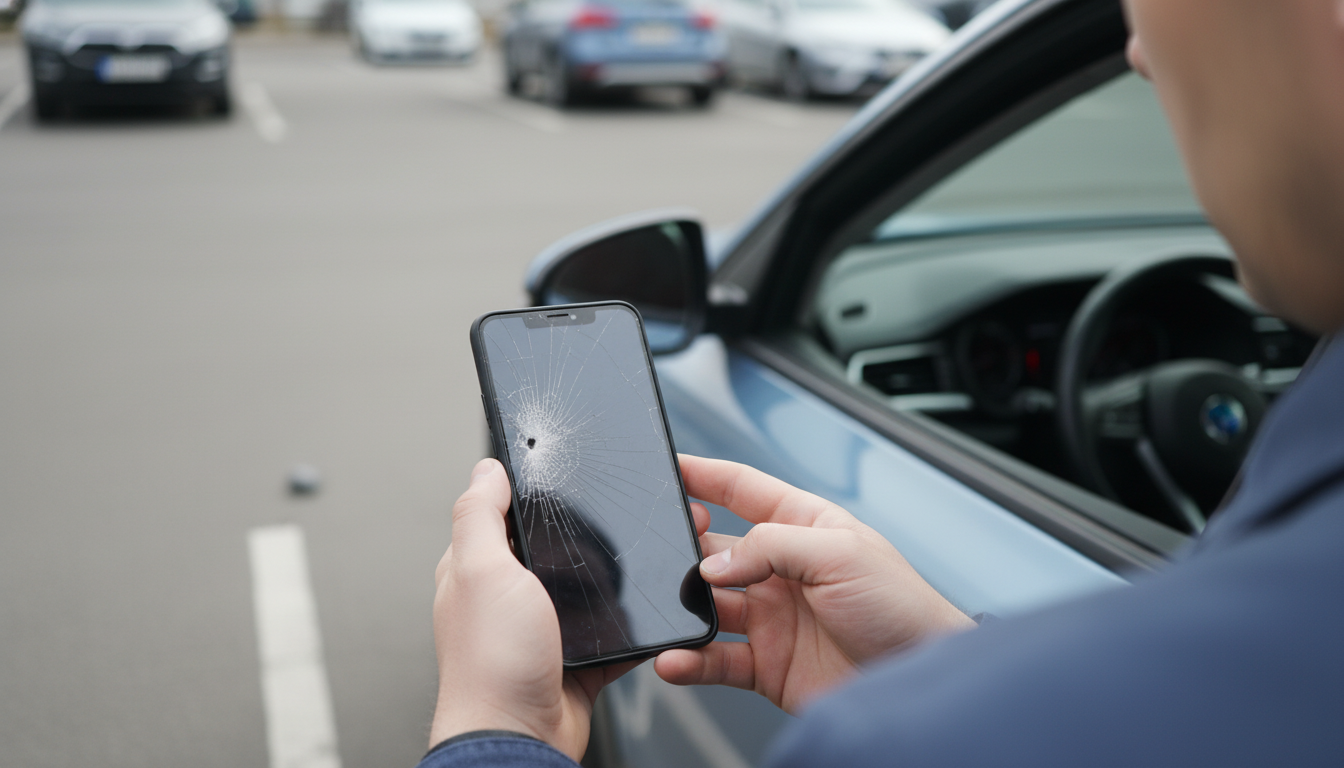
Corning Gorilla Glass 3 is generally considered safe and reliable for everyday device protection because it’s engineered to resist scratches and reduce visible damage from common wear. In practical terms, it helps screens hold up better against keys, coins, gritty dust, and repeated pocket or bag contact compared with standard soda-lime glass.
That said, “safe” depends on what risk you mean. Gorilla Glass 3 can lower the chance of scratches and minor surface damage, but it is not shatterproof. A hard drop onto concrete, a sharp edge impact, or twisting pressure can still crack or break the screen—especially if the device frame flexes or the impact concentrates on a corner.
Its main advantage is scratch resistance and maintaining clarity after daily use. Fewer micro-scratches can also mean less glare scatter and a smoother feel when swiping or using a stylus. For many people, that translates into a screen that stays “new-looking” longer and is less likely to develop distracting scuffs.
Even strong glass can fail when impact forces exceed its design limits. Drops are unpredictable, and a small point of contact (like a pebble or curb edge) can concentrate force enough to crack the panel. Deep scratches can also weaken the glass and increase the odds of cracking later.
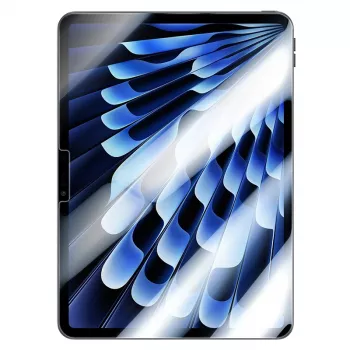
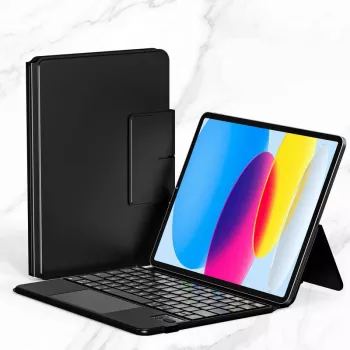
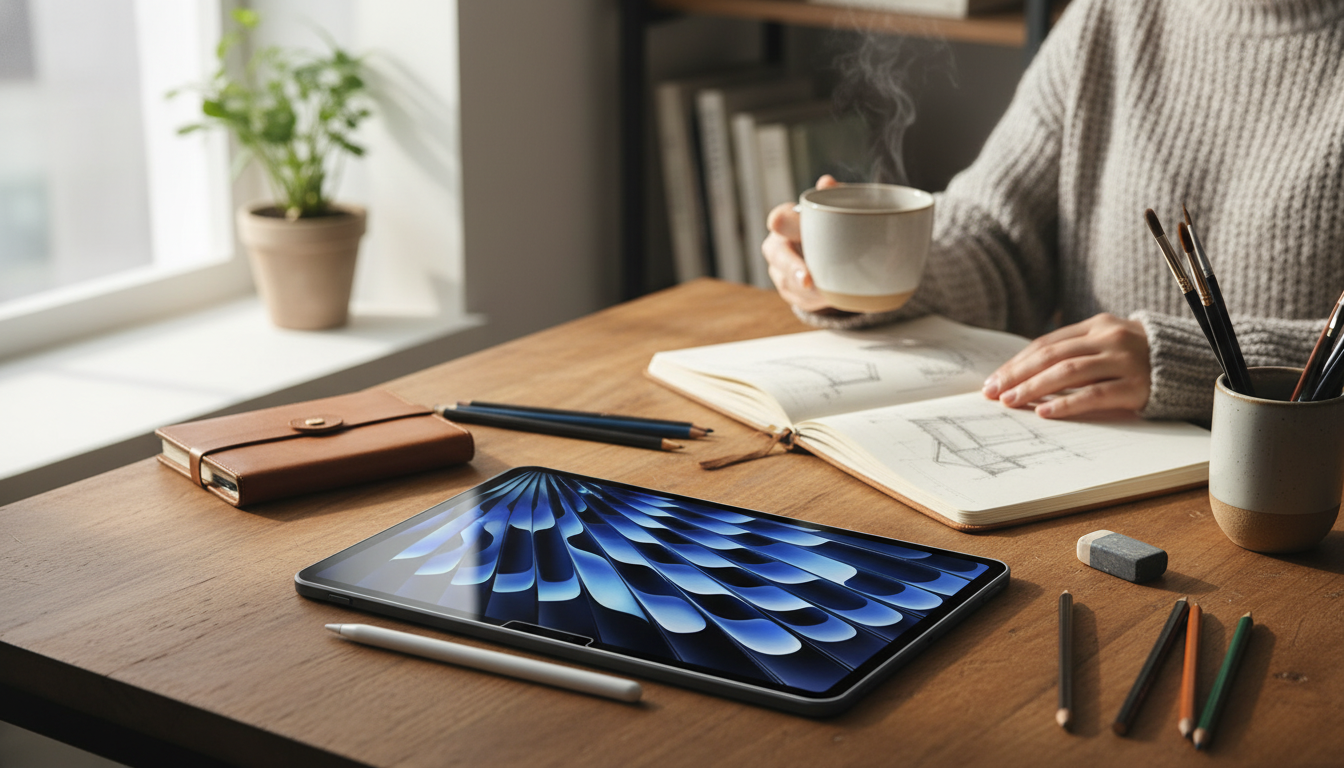
If you want a bigger safety margin, pair Gorilla Glass 3 with a quality screen protector and a protective case. A protector can take the hit from abrasive grit and help absorb minor impacts, while a case can reduce edge and corner damage—common failure points in drops. For iPad owners looking for a different feel and reduced glare, this guide to matte glass protectors is a helpful starting point: https://gskbuy.com/guide-matte-ipad-glass-protector-glare-apple-pencil-feel/.
Yes. Gorilla Glass improves scratch resistance, but a protector adds a replaceable layer that can take scuffs, reduce micro-scratches, and provide extra impact buffering in everyday drops.









Leave a comment