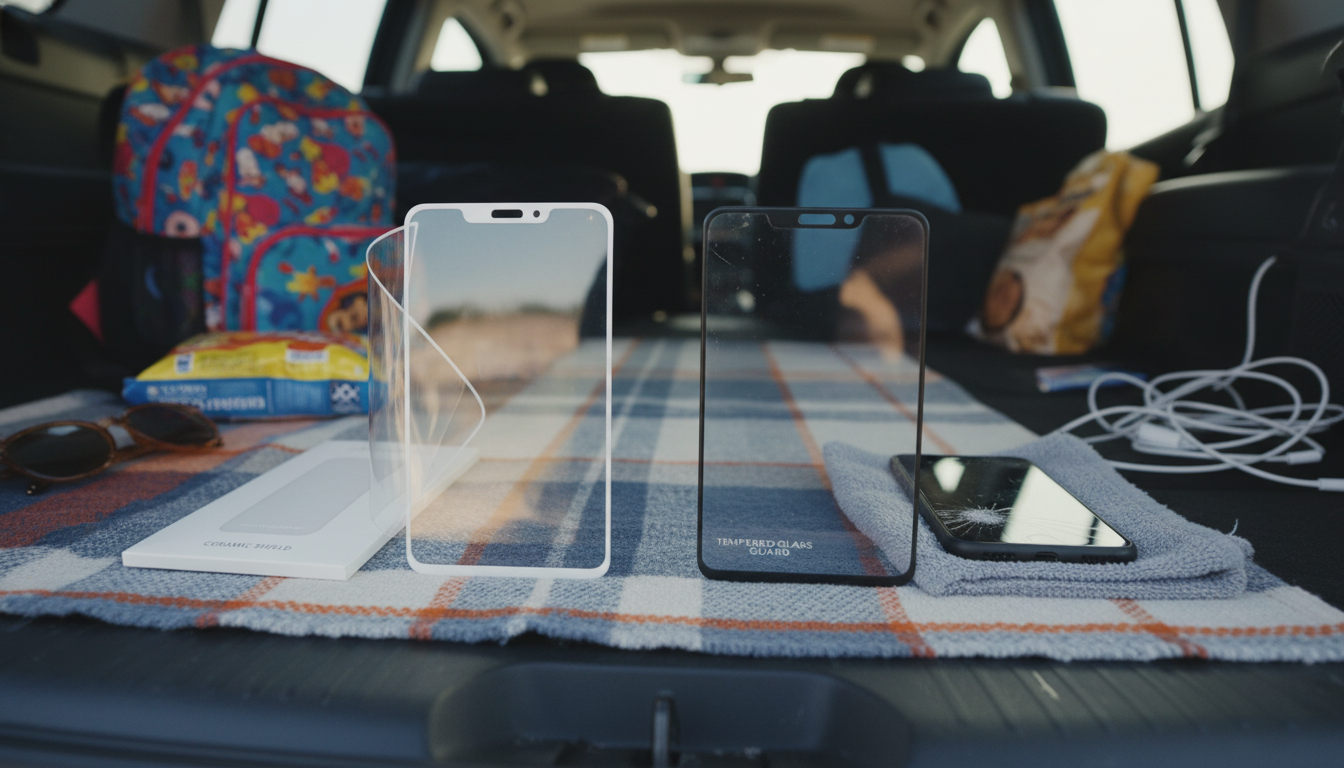
Neither is universally “better”—ceramic and glass screen protectors excel in different ways. If the priority is maximum clarity and classic, rigid impact protection, tempered glass is usually the safer pick. If the goal is a different surface feel (often closer to paper-like drag) with strong scratch resistance and a thinner, more flexible build, ceramic can be the better match—especially for stylus-heavy use.
In recent years, screen protection has become a significant consideration for device users, particularly for those with expensive gadgets like the iPad. With the prevalence of drops, scratches, and everyday wear and tear, choosing the right screen protector is essential. Each type of protector has its unique merits that cater to different user needs, making the decision more critical than ever.
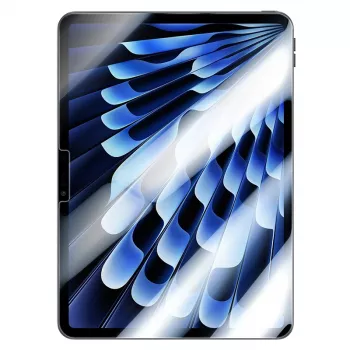
If you are looking for the best protection, consider an Apple ipad Screen Protector Glass for your device.
The Apple ipad Screen Protector Glass is designed to absorb shocks and protect your device.
One of the biggest advantages of tempered glass is its ability to absorb shocks. When a device is dropped, the tempered glass protector usually shatters instead of the actual screen, providing a form of safety net for the underlying device. Many manufacturers also include a guarantee that their glass protectors will withstand a certain height drop without breaking.
Choosing the right Apple ipad Screen Protector Glass can significantly enhance your user experience.
For optimal protection, always choose a high-quality Apple ipad Screen Protector Glass.
Many users prefer the Apple ipad Screen Protector Glass for its clarity and touch sensitivity.
Moreover, the smooth feel of glass makes it a popular choice among gamers and those who often scroll or type on their devices. The tactile experience can enhance user satisfaction as it mimics the original screen feel, allowing for a seamless user experience.
Having an Apple ipad Screen Protector Glass ensures your device remains scratch-free and clear.
Tempered glass is popular because it’s highly transparent, feels smooth, and typically offers strong shatter-style impact protection. Many users like how glass preserves the “bare screen” look with minimal distortion. It’s also widely available across price points, so it’s easy to find options with oleophobic coatings for fingerprints and smudges.
Additionally, ceramic protectors often incorporate advanced technologies such as anti-glare and anti-fingerprint features, which can be particularly appealing for users who often work in bright environments or utilize their devices for extended periods. The anti-glare property helps maintain visibility in various lighting conditions, which is especially beneficial for artists or designers using styluses.
For everyday phone or tablet use—scrolling, streaming, typing—glass is often the most familiar, “set it and forget it” choice.
Moreover, understanding the manufacturing process of these protectors can further inform your choice. While tempered glass is made through a process of extreme heating and rapid cooling, which strengthens the glass, ceramic protectors typically utilize advanced polymers that offer a blend of flexibility and sturdiness. This combination results in a product that can often withstand impacts while providing a thinner profile.
Ceramic protectors are often marketed for high scratch resistance and a slimmer profile. Depending on the specific product, ceramic can feel less slick than glass, which some people prefer for controlled swipes or Apple Pencil-style writing. That surface feedback can make handwritten notes and sketching feel steadier, particularly if glare control or a different texture is part of the design.
Choose based on how you use your device:
For everyday use, an Apple ipad Screen Protector Glass is the best choice for protecting your screen.
The choice between ceramic and Apple ipad Screen Protector Glass often comes down to personal preference.
Graphic designers often choose the Apple ipad Screen Protector Glass for its precision and clarity.
Lastly, explore the benefits of an Apple ipad Screen Protector Glass to enhance your device’s longevity.
To enhance user experience, many brands now offer ceramic screen protectors with additional features like self-healing abilities, where minor scratches can disappear over time, maintaining a clear viewing experience. This innovation can prolong the lifespan of the screen protector, providing excellent value for users.
In conclusion, when selecting a screen protector, whether it’s ceramic or glass, take the time to analyze your personal usage habits, the specific features each type offers, and how they align with your preferences. With the right choice, you can significantly enhance the longevity of your device while ensuring a satisfying user experience.
With the right Apple ipad Screen Protector Glass, you can enjoy your device worry-free.
For specific scenarios, like using the Apple Pencil, many users have found that ceramic options provide a satisfying tactile experience, allowing for precision in writing and drawing. This is particularly important for graphic designers and artists who rely heavily on such tools for their work.
Investing in an Apple ipad Screen Protector Glass can save you money in the long run by preventing screen damage.
Furthermore, consumers should consider the warranty and support provided by manufacturers. A longer warranty can give you peace of mind that you are investing in a quality product. Some brands even offer lifetime replacements for their protectors, ensuring that any damage incurred can be rectified without additional costs.
Ensure your Apple ipad Screen Protector Glass is easy to install to enjoy hassle-free protection.
Consider your lifestyle when choosing an Apple ipad Screen Protector Glass for optimal functionality.
Finally, don’t forget to consider the installation process. Some protectors come with easy installation kits, making them user-friendly for all device owners. Opting for a product that is simple to apply can save you time and potential frustration.
For a deeper look at glare control and stylus feel—especially if you’re shopping for an iPad—see this guide: https://gskbuy.com/guide-matte-ipad-glass-protector-glare-apple-pencil-feel/.
Many users recommend the Apple ipad Screen Protector Glass for its durability and performance.
In summary, the choice between a ceramic and glass screen protector ultimately depends on your lifestyle, usage habits, and specific needs. Whether you prioritize screen clarity, stylus usability, or impact protection, there is a suitable option available that will keep your device safe and functional. Make sure to thoroughly research and consider your options before making a purchase to ensure you choose the best Apple ipad Screen Protector Glass for your needs.
Often, no—matte and textured surfaces can increase friction, which may wear down stylus tips faster than smooth glass. If tip longevity matters, look for a protector designed to balance texture with lower abrasion.
When considering the purchase of a protector, it’s essential to also evaluate what is most important to you—be it clarity, usability with a stylus, or durability against drops. Reviews from other users can provide incredible insight into the performance of different products, helping you make an informed decision.
To ensure optimal protection for your device, consider the best options available for Apple ipad Screen Protector Glass.









Leave a comment