
Yes—silicone feeders can be a good choice for babies when they’re made from food-grade silicone, used with close supervision, and cleaned properly. Silicone is naturally soft and flexible, which helps protect tender gums as babies learn to self-feed. It’s also less likely to shatter or splinter compared with hard plastic or brittle materials, making it a practical option for everyday use.
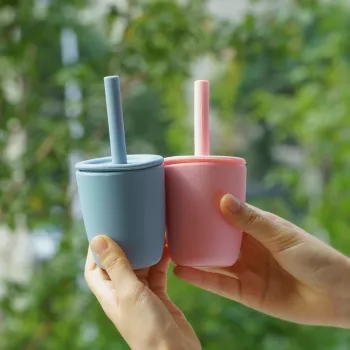
A well-designed silicone feeder (such as a spoon, bowl set, or fruit feeder) is typically gentle on the mouth, easy for small hands to grip, and simple to wash. Many silicone baby feeding products are also heat-resistant and can handle warm purees or being sanitized, which supports a cleaner feeding routine. Silicone’s slightly “grippy” feel can also reduce slipping on high-chair trays when paired with suction bases or textured bottoms.
Not all silicone products are the same. Choose items labeled food-grade, BPA-free, and designed specifically for infant feeding. Avoid feeders with weak seams, thin silicone that tears easily, or small detachable pieces that could become choking hazards. If the product has a lid, cap, or detachable handle, confirm it locks securely and stays intact during tugging and chewing. Always inspect for rips, discoloration, or stickiness and replace at the first sign of wear.
Use the feeder only when a baby is sitting upright and supervised. Wash thoroughly after each use; many silicone feeding tools can be cleaned with warm soapy water or placed in the dishwasher if the manufacturer allows. If odors linger, soaking in hot water with baking soda can help, but skip harsh chemicals that can degrade the material over time.
For more guidance on silicone feeding essentials and what features matter most, visit this silicone baby feeding set guide.
Wash with warm water and mild dish soap after each use, then rinse well. If the item is dishwasher-safe, place it on the top rack and let it fully dry before storing.











Leave a comment