
Electric tartar removers (often sold as “dental scalers”) can work for limited, visible buildup—especially soft plaque, surface stains, and small amounts of newer tartar sitting above the gumline. When used correctly, the vibrating tip helps loosen deposits so they can be lifted away with gentle, controlled passes. For instance, regular use can help maintain dental hygiene between professional cleanings, particularly for individuals prone to plaque buildup. It’s important to note, however, that while these devices can be beneficial for minor issues, they should not be relied upon as a primary method of dental care. Regular check-ups and cleanings with a dentist are essential to ensure overall oral health.
That said, they’re not a full replacement for a professional cleaning. Hardened tartar that’s been in place for a long time, buildup tucked between teeth, and anything below the gumline is much harder (and riskier) to address at home. If you’re dealing with gum bleeding, swelling, loose teeth, persistent bad breath, or deep “cement-like” tartar, a dentist or hygienist is the safer and more effective option. Home devices can complement professional care but should not replace it. Additionally, it’s crucial to understand the limitations of these devices; they are designed for surface cleaning and may not effectively address underlying dental issues. Dental professionals possess tools and techniques that ensure a comprehensive cleaning and examination.
The frequency with which you use electric tartar removers can impact their effectiveness. Regular use, when combined with proper technique, can help manage tartar buildup effectively. However, over-reliance on these devices without professional guidance can lead to potential issues such as gum recession or damage to the enamel. Establishing a balanced dental hygiene routine that incorporates both at-home cleaning and professional care is essential for optimal oral health. It’s wise to consult with a dentist about your specific needs and how often you should use these devices to avoid overdoing it.
Regular dental check-ups are essential because they allow for professional assessments of oral health. Dentists can detect early signs of gum disease, cavities, and other oral conditions that might go unnoticed during at-home care. It’s recommended to visit your dentist every six months for routine cleanings and assessments. These visits are crucial not only for identifying issues early but also for receiving professional cleanings that electric tartar removers cannot replicate. Dentists use specialized tools and techniques that remove tartar from hard-to-reach areas, ensuring a thorough cleaning that helps maintain long-term oral health.
Above-the-gum deposits are the most realistic target for home devices. Below-the-gum tartar can’t be seen clearly and is easier to injure gums while trying to reach it. For example, if the tartar is primarily located on the molars, it’s crucial to angle the scaler appropriately to avoid damaging the sensitive gum tissue.
Electric tartar removers can be effective tools for maintaining dental hygiene, particularly for those who are diligent about their oral care routines. While they offer numerous benefits, it’s essential to use them correctly and to understand their limitations. Regular visits to the dentist remain a crucial component of effective dental care. By combining professional treatment with at-home devices, individuals can achieve a healthier mouth and a brighter smile. Always prioritize oral health by investing time in learning about effective practices and seeking professional advice when needed.
It’s important to recognize when it’s time to consult a dental professional. If you notice persistent symptoms such as bleeding gums, tooth sensitivity, or chronic bad breath, these may indicate underlying issues that require attention. Additionally, if you feel uneasy about using an electric tartar remover or experience pain during use, stop immediately and seek advice from your dentist. Professional evaluations and treatments are crucial for addressing any severe oral health issues and ensuring that your at-home dental care practices are effective and safe.
Incorporating electric tartar removers into your oral hygiene routine can lead to long-term benefits, particularly in maintaining a healthy smile. Regular removal of plaque and tartar can reduce the risk of periodontal disease, cavities, and other oral health issues. Additionally, for those who frequently have plaque buildup, using these devices can create a more manageable routine. However, it is vital to remember that while these devices can aid in daily maintenance, they should not replace the foundational habits of brushing, flossing, and visiting the dentist. A holistic approach that combines professional care with at-home devices will yield the best results for overall dental health.
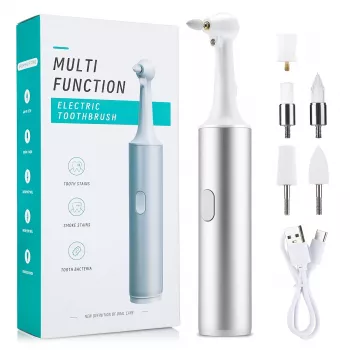
There are various models of electric tartar removers available on the market, each with its own features and functionalities. Some models are designed specifically for home use with user-friendly interfaces, while others may be more advanced and suited for professional settings. Understanding the differences between these models is essential for making an informed decision. Look for options that include adjustable power settings, different scaling tips for various needs, and features that enhance ease of use, such as ergonomic designs and battery life indicators. Comparison shopping and researching user reviews can help in selecting the most suitable model for your needs.
To maximize the benefits of electric tartar removers, consider the following tips: First, always begin with the lowest power setting and gradually increase as needed. This minimizes the risk of gum irritation. Second, ensure you have adequate lighting and visibility; using a dental mirror can help you see the areas you’re cleaning more clearly. Third, practice patience—effective cleaning takes time and should be approached carefully. Finally, always follow up with gentle brushing and flossing to maintain cleanliness and prevent re-accumulation of tartar.
These tools work best with a light touch. Pressing harder doesn’t improve results—it increases the chance of gum irritation, enamel scratching, and sensitivity. Use short contact times and keep the tip moving rather than “parking” it on one spot. Proper technique involves starting at a low power setting and gradually adjusting as needed while ensuring not to linger too long to prevent gum damage.
If you can’t see the deposit clearly, you’re more likely to slip. Good lighting, a mirror, and careful positioning matter as much as the device itself. For better results, consider using a dental mirror and proper lighting to illuminate areas that might otherwise be hard to see.
They can be safe when used conservatively on visible, above-gum buildup and when you stop at the first sign of pain or bleeding. Common mistakes include over-scaling, lingering in one area, and trying to pry off large chunks. After removing buildup, follow with gentle brushing and flossing to slow re-accumulation. It’s advisable to consult a dental professional if unsure about using these devices safely.
For a deeper look at safe at-home scaling tips, device types, and practical do’s and don’ts, see this guide to Electric Dental Scalers and safe tartar removal at home. This guide provides insights into various models and their effectiveness, along with expert opinions on usage and maintenance.
Yes, they can if used with too much pressure, for too long in one spot, or at the wrong angle. Gentle contact on visible tartar and short, controlled passes reduce the risk. Additionally, it is important to use the device correctly and to avoid areas that are already sensitive or damaged.
In summary, Electric Tartar Removers can play a beneficial role in maintaining oral hygiene when used safely and effectively. They are particularly useful for people prone to plaque buildup or those looking to enhance their oral care routine between professional cleanings. However, understanding how to use them correctly, recognizing their limitations, and knowing when to seek professional help are vital for ensuring the best outcomes for your dental health. Invest in a quality electric tartar remover for optimal results, and always prioritize regular check-ups with your dentist for comprehensive care.












Leave a comment