HomeBlogBlogElectric Dental Scaler: Safe Tartar & Stain Removal at Home

Electric Dental Scaler: Safe Tartar & Stain Removal at Home

Electric Dental Scaler: Safe Tartar &Amp; Stain Removal At Home

Electric Dental Scaler for Tartar and Stain Removal: Safe At-Home Cleaning Guide

Tartar (hardened plaque) and surface stains can make teeth look dull and feel rough. An electric dental scaler is designed to help lift buildup from the tooth surface between professional cleanings—when used carefully, with the right technique, and with realistic expectations about what it can and cannot do. For broader oral health guidance, references from the CDC and the NHS are helpful starting points.

What Tartar and Stains Are (and Why They’re Hard to Remove)

Plaque is a soft, sticky film that forms daily. When it isn’t removed consistently, minerals in saliva can harden it into tartar (also called calculus). Once plaque calcifies, normal brushing can’t break it up—so it tends to hang on, especially in tight or hard-to-reach areas.

  • Plaque can harden into tartar when it isn’t removed regularly; once hardened, normal brushing can’t break it up.
  • Common stain sources include coffee/tea, red wine, tobacco, and pigmented foods; stains may sit on enamel or become more stubborn over time.
  • Tartar often builds up near the gumline and behind the lower front teeth where saliva flow encourages mineralization.
  • Rough tartar surfaces trap more plaque, creating a cycle of faster buildup and a “fuzzy” feeling even after brushing.

Keep in mind: discoloration can come from both surface stain and deeper changes within the tooth. Surface stain may respond to careful cleaning, while deeper discoloration typically needs professional evaluation and whitening guidance (see the American Dental Association’s MouthHealthy site for patient-friendly info).

How an Electric Dental Scaler Works

An electric dental scaler uses rapid vibrations at the tip to help loosen deposits from the tooth surface. Results depend heavily on visibility, the angle you hold the tip, and how gently you work—pressing harder doesn’t mean cleaning better.

  • Vibration-assisted removal: rapid motion helps dislodge buildup from the surface when the tip is positioned correctly.
  • Best for light-to-moderate deposits: helpful for surface tartar and stain film, but not a substitute for deep professional scaling.
  • Multiple intensity modes: starting low reduces the chance of irritating gums or over-scraping a sensitive spot.
  • Built-in lighting helps, but a mirror and strong bathroom lighting still make a major difference.

Product Spotlight: Electric Dental Scaler for Tartar and Stain Removal

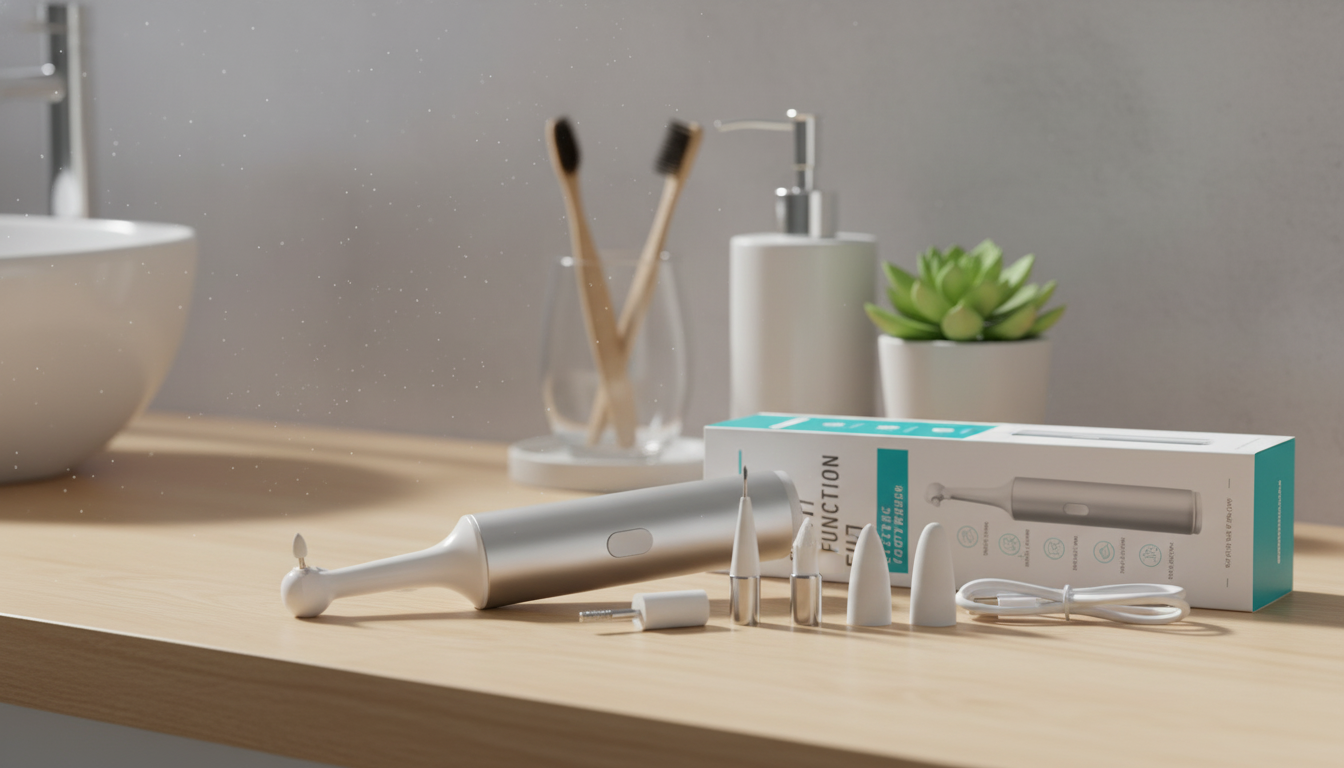
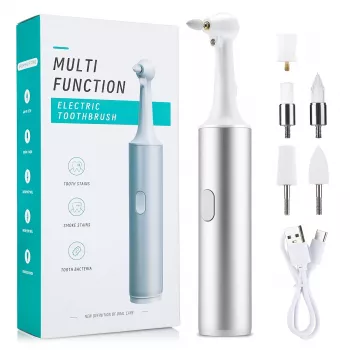
If you’re looking for a practical tool to support your routine between dental visits, the Electric Dental Scaler for Tartar and Stain Removal is designed for at-home touch-ups on visible buildup after brushing and flossing. It’s most useful for small areas you can clearly see—especially around the gumline—using gentle technique and short sessions.

Price: $24.51 (USD). Availability: In stock. Pairing occasional scaling with consistent daily flossing or interdental cleaning helps slow how quickly heavy buildup returns.

Quick facts

Item Details
Product name Electric Dental Scaler for Tartar and Stain Removal
Price $24.51 USD
Stock status In stock
Product page https://gskbuy.com/electric-dental-scaler-for-tartar-and-stain-removal/

For a bathroom refresh that supports better routines (bright lighting, clean organization, a setup you actually want to use every day), the Luxury Gold Ceramic Bathroom Sink is also in stock.

How to Use It Carefully (Step-by-Step)

At-home scaling should feel controlled and methodical—not rushed. Plan on a short session so you can stay gentle and stop the moment something feels off.

  1. Prep first: Brush and floss, then rinse. This clears loose debris so the scaler targets only stubborn areas.
  2. Set up visibility: Use a mirror and bright light. Retract lips and cheeks so you can see the gumline clearly.
  3. Start low: Begin on the lowest setting. Test on a small, easy-to-see spot to learn the vibration and sound.
  4. Use the right angle: Approach the tooth surface gently. Keep the tip close to the tooth surface rather than “digging” toward the gums.
  5. Minimal pressure: Don’t press hard. Let the vibration do the work—pressure increases the chance of irritation and sensitivity.
  6. Short passes: Glide in brief strokes, then pause. Rinse and check progress frequently instead of staying on one spot.
  7. Stop if it hurts: Avoid lingering on the gums. Stop for sharp pain, significant bleeding, or rising sensitivity.

Where It Helps Most (and Where to Avoid)

The safest and most satisfying results usually come from removing small, visible deposits—especially where tartar commonly forms.

  • Most helpful: visible surface deposits along the tooth surface near the gumline and behind the lower front teeth.
  • Use extra caution on: sensitive areas, exposed root surfaces, and around dental work (crowns, veneers, orthodontic attachments).
  • Avoid using on: loose teeth, inflamed or infected gums, mouth sores, or any area with unexplained pain.
  • Choose professional care when: deposits appear under the gumline, teeth feel “stuck together” by hard buildup, or gums bleed easily even with gentle brushing.

Safety, Hygiene, and Aftercare

A clean tool and a light touch matter as much as technique. Overusing a scaler can irritate gums and make teeth feel more sensitive—even if you’re “getting stuff off.”

Setting Realistic Expectations

FAQ

Do electric tartar removers work?

They can help loosen and remove light-to-moderate surface deposits when used carefully with good visibility and gentle pressure. They are not a substitute for professional scaling, especially for tartar below the gumline or heavy buildup.

Can a dental scaler remove tartar?

A scaler is designed to remove tartar from tooth surfaces, but results depend on where the tartar is and how much has built up. Larger or under-the-gum deposits are safest to address in a dental office to avoid gum injury or enamel/root damage.

Was this article helpful?

Yes No
Leave a comment
Top

Yay! 10% Off Just for You!

Join our community and enjoy 10% off your first order. Subscribe for exclusive deals!

Shopping cart

×