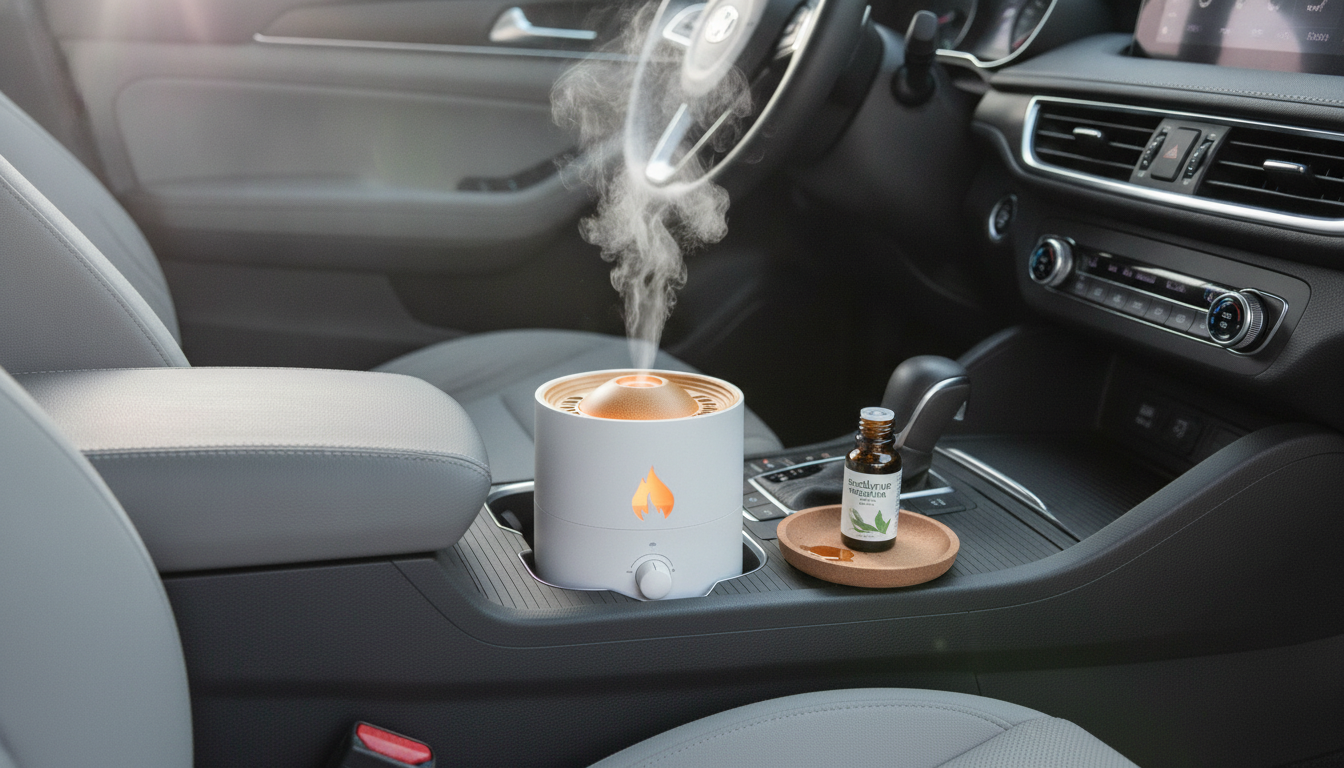
Yes—ultrasonic diffusers work, but what they “do” depends on the goal. They’re designed to turn a water-and-essential-oil mixture into a fine, cool mist that disperses into the air. If the objective is to add fragrance to a room, most ultrasonic diffusers are effective because the mist carries tiny droplets that release aroma as they evaporate.
Many users report that using lavender essential oil in their diffusers helps create a calming atmosphere, making it ideal for relaxation and sleep. Additionally, diffusers can help reduce stress and promote better sleep quality, which can be particularly beneficial during times of anxiety or restlessness.
Using an Essential Oil Diffuser can enhance the overall experience and benefits of aromatherapy.
Yes—ultrasonic diffusers work, but what they “do” depends on the goal. They’re designed to turn a water-and-essential-oil mixture into a fine, cool mist that disperses into the air. If the objective is to add fragrance to a room, most ultrasonic diffusers are effective because the mist carries tiny droplets that release aroma as they evaporate. For example, many users report that using lavender essential oil in their diffusers helps create a calming atmosphere, making it ideal for relaxation and sleep.
An ultrasonic diffuser uses a small vibrating plate (often called a piezoelectric transducer) to agitate water at a very high frequency. That vibration breaks the water into micro-droplets, creating a visible mist without heating the water. Because it’s not relying on heat, the device typically runs quietly and can be more energy-efficient than warm-mist options. The absence of heat means that the essential oils maintain their therapeutic properties, unlike in methods that use heat, which can alter the chemical composition of oils. This is particularly important for those seeking the full benefits of therapeutic-grade essential oils, as the integrity of the oils remains intact.
An ultrasonic diffuser uses a small vibrating plate (often called a piezoelectric transducer) to agitate water at a very high frequency. That vibration breaks the water into micro-droplets, creating a visible mist without heating the water.
Because it’s not relying on heat, the device typically runs quietly and can be more energy-efficient than warm-mist options. The absence of heat means that the essential oils maintain their therapeutic properties, unlike in methods that use heat, which can alter the chemical composition of oils. This is particularly important for those seeking the full benefits of therapeutic-grade essential oils, as the integrity of the oils remains intact.
If you’re expecting a room-filling scent, performance will vary by diffuser size, room airflow, oil type, and how many drops are used. In smaller spaces like bedrooms or offices, a properly filled unit can noticeably freshen the air.
For instance, a compact diffuser in a bedroom may disperse citrus oils effectively, invigorating the space. In larger, open areas, scent can be subtler unless the diffuser has higher mist output or runs longer. It’s important to experiment with different oils and diffusion times to find what works best for your space.
Additionally, consider factors like the essential oil’s volatility; some oils evaporate faster than others, impacting how long the scent lingers in the air.
If you’re expecting room-filling scent, performance will vary by diffuser size, room airflow, oil type, and how many drops are used. In smaller spaces like bedrooms or offices, a properly filled unit can noticeably freshen the air. For instance, a compact diffuser in a bedroom may disperse citrus oils effectively, invigorating the space. In larger, open areas, scent can be subtler unless the diffuser has higher mist output or runs longer. It’s important to experiment with different oils and diffusion times to find what works best for your space.
Ultrasonic diffusers can also slightly raise humidity because they add water vapor to the air. However, they aren’t a replacement for a dedicated humidifier if humidity control is the main priority. While a diffuser can contribute to overall humidity levels, it may not suffice during dry seasons or in very large spaces.
If you want a deeper breakdown of how cool-mist diffuser/humidifier styles compare, see the full guide here: ultrasonic humidifier vs diffuser and cool mist aroma guide. This is particularly relevant for those living in dry climates or during the winter months when indoor air can become excessively dry.
Discover how an Essential Oil Diffuser can enhance your well-being and elevate your home environment.
In conclusion, ultrasonic diffusers are not just functional devices; they are essential tools for enhancing your quality of life. By understanding how they work, what results to expect, and how to maintain them, you can fully enjoy the benefits they offer.
Whether you seek a calming atmosphere, a way to refresh your space, or the therapeutic benefits of essential oils, these diffusers can significantly enhance your living environment. As you explore the world of essential oils, you’ll discover a realm of scents and combinations that cater to your preferences and needs.
Remember, the key to maximizing your experience lies in using quality essential oils and following the best practices outlined in this guide. Ultimately, incorporating an essential oil diffuser into your home can transform it into a sanctuary of relaxation and well-being.
Many people may make common mistakes when using essential oil diffusers that can hinder their experience. One such mistake is overfilling the diffuser, which can lead to leaks and reduced performance.
Another issue is using too many drops of oil at once, which can create an overwhelming scent and diminish the diffuser’s effectiveness. It’s also advisable to avoid mixing oils that are not complementary, as this can lead to unpleasant odors.
Lastly, neglecting to clean the diffuser regularly can lead to buildup, affecting both the device’s performance and the quality of the scents produced.
Choosing the right essential oils is crucial for maximizing the benefits of your diffuser. Popular options include lavender for relaxation, lemon for energy, and tea tree for its antiseptic properties.
Consider blending oils for enhanced effects, such as combining lavender and chamomile for a soothing night-time blend. Always ensure that the essential oils used are of high quality and specifically designed for diffusers to avoid any adverse reactions.
Experimenting with different combinations can also lead to discovering unique scents that resonate with your personal preferences.
Using essential oil diffusers offers a variety of benefits that extend beyond just adding fragrance to your living space. These devices can enhance your mood and well-being by introducing calming scents such as chamomile or eucalyptus, known for their soothing properties.
Furthermore, they can help with respiratory issues; for instance, peppermint and eucalyptus oils may provide relief during cold and allergy seasons.
Regular use of essential oil diffusers can also contribute to a more relaxed environment, which is ideal for activities such as meditation or yoga. By creating a pleasant aroma and ambiance, these diffusers can enhance your overall quality of life.
When using an ultrasonic diffuser, it’s important to prioritize safety. Ensure that the device is placed on a stable, flat surface to prevent spills. Avoid using the diffuser near flammable materials or heat sources.
Always follow the manufacturer’s instructions regarding oil usage and cleaning. Additionally, keep the device out of reach of children and pets to prevent any accidents.
Regularly check the power cord for any signs of damage to avoid electrical hazards. By taking these precautions, you’ll enhance your experience while ensuring safety.
For consistent mist and scent, use clean water, don’t overfill past the max line, and clean the tank regularly to prevent residue buildup.
If mist output drops, mineral deposits on the ultrasonic plate are a common cause; gentle cleaning often restores performance. For maintenance, consider using distilled water, which can help minimize mineral buildup.
Also, start with fewer oil drops and adjust—too much oil can sometimes reduce efficiency or leave more residue. It’s recommended to use essential oils that are specifically labeled for use in diffusers to avoid any potential damage to the device.
Additionally, positioning the diffuser in a central location can help ensure an even distribution of scent throughout the room.
For consistent mist and scent, use clean water, don’t overfill past the max line, and clean the tank regularly to prevent residue buildup. If mist output drops, mineral deposits on the ultrasonic plate are a common cause; gentle cleaning often restores performance. For maintenance, consider using distilled water, which can help minimize mineral buildup. Also, start with fewer oil drops and adjust—too much oil can sometimes reduce efficiency or leave more residue. It’s recommended to use essential oils that are specifically labeled for use in diffusers to avoid any potential damage to the device.
It can add some moisture to the air, but the effect is usually mild compared with a purpose-built humidifier. For larger rooms or dry-season humidity needs, a dedicated humidifier is typically more effective. Users who utilize both a humidifier and an essential oil diffuser often find that the combination allows for both comfort and aroma, enhancing their living environment.
Essential Oil Diffuser










Leave a comment