



Releasing fascia can help improve the look of cellulite for some people, but it usually doesn’t “get rid of” cellulite permanently. Cellulite is influenced by several factors—like fat distribution, connective tissue structure, skin thickness, hormones, and genetics—so no single technique reliably erases it for everyone. Understanding the complexity of cellulite can help set realistic expectations when considering fascia release as a potential treatment. Techniques such as myofascial release and deep tissue massage can enhance blood flow and improve the skin’s appearance, but results vary greatly among individuals.
Incorporating Fascia Release for Cellulite techniques can be beneficial for those seeking improvements. Fascia Release for Cellulite may help to enhance the overall experience.
Many find that Fascia Release for Cellulite can be a game changer.
Using Fascia Release for Cellulite techniques can improve results significantly.
Many users report positive outcomes from Fascia Release for Cellulite.
Incorporating Fascia Release for Cellulite into daily routines may amplify results.
Many are now exploring Fascia Release for Cellulite as a viable option.
Boosting the effectiveness of Fascia Release for Cellulite is possible with proper hydration.
Many have shared their experiences with Fascia Release for Cellulite and its benefits.
Research on Fascia Release for Cellulite continues to evolve.
Investing in Fascia Release for Cellulite tools can yield significant benefits.
The combination of stretching and Fascia Release for Cellulite can enhance overall results.
Understanding how to integrate Fascia Release for Cellulite into routines is key.
Combining diet with Fascia Release for Cellulite can maximize your results.
Choosing the right Fascia Release for Cellulite methods is essential for optimal results.
Fascia Release for Cellulite can provide a path to smoother skin.
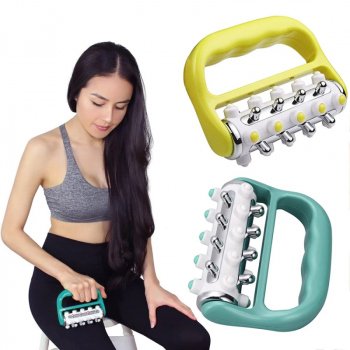
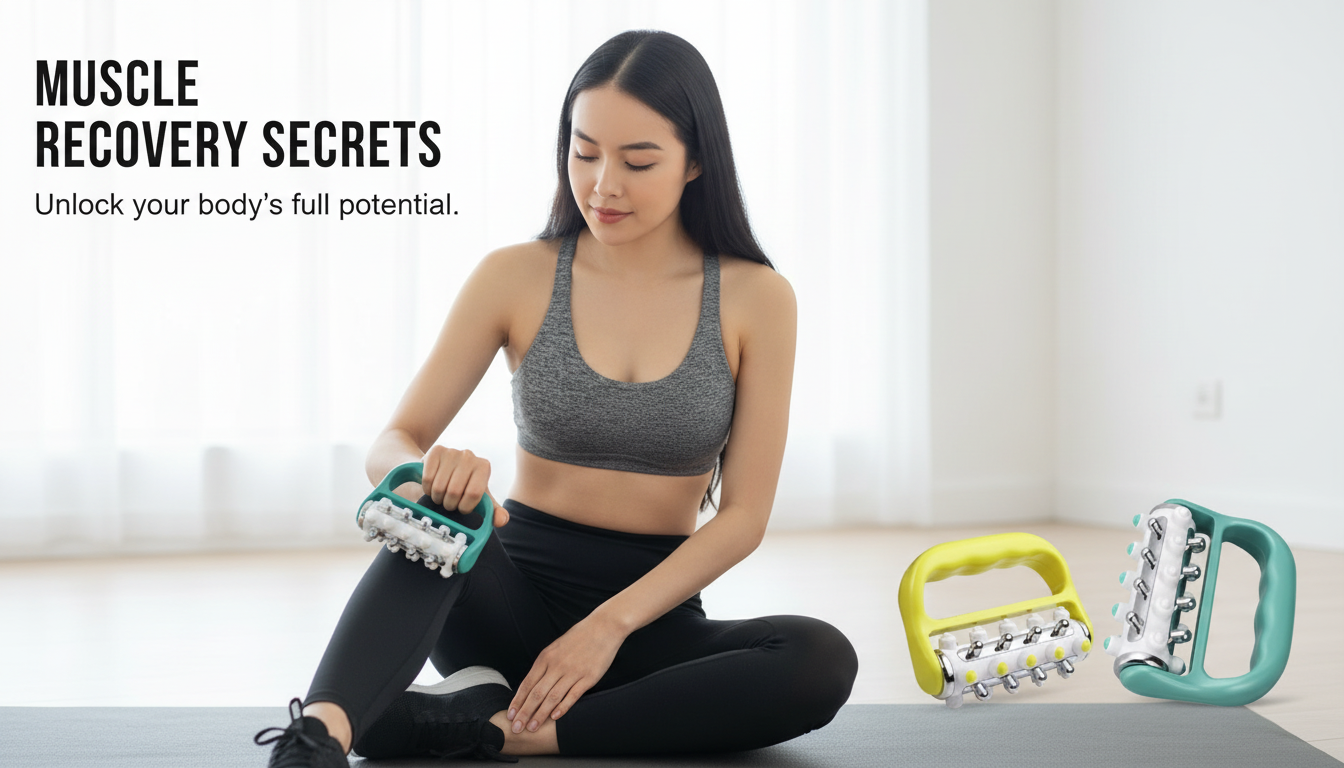
Fascia-focused methods, including textured massage rolling, myofascial release, and targeted massage, may temporarily smooth the skin’s surface by improving local circulation, reducing fluid buildup, and loosening tight, adherent tissue. For instance, during a session using a textured massage roller, individuals may notice an immediate improvement in skin texture due to enhanced blood flow and the release of tight fascia. This temporary smoothing effect can be particularly beneficial for those looking to improve their skin’s appearance before a special event. Additionally, combining these techniques with a healthy lifestyle can amplify results. Many have found success with Fascia Release for Cellulite, adding it to their treatment options along with other body care routines.
It’s also important to separate what’s happening under the skin. Fascia release doesn’t “break up fat,” but it can decrease the feeling of tightness and may reduce the appearance of uneven texture caused by tethered connective tissue. Results tend to be subtle and vary widely: some people see noticeable smoothing, while others mainly feel less stiffness and better mobility. To achieve optimal benefits, consistency in treatment is key; therefore, people may consider scheduling regular sessions with a trained professional or incorporating self-massage techniques into their routine. Understanding that fascia release contributes to overall wellness can enhance the experience.
For best odds of visible improvement, fascia release is often used as part of a broader routine that supports skin and tissue health—consistent movement, strength training (to build underlying muscle tone), hydration, and realistic expectations. If you’re using a textured tool, technique matters: moderate pressure, slow passes, and regular sessions generally work better than aggressive, painful rolling that leaves bruises. Many experts recommend pairing fascia release with other treatments, such as skin-nourishing oils or lotions, to enhance the overall experience and results. Furthermore, engaging in regular physical activity can significantly improve circulation and skin health, making fascia release more effective.
For a deeper, practical guide to using a textured massage roller for cellulite and fascia release—plus tips on pressure, timing, and common mistakes—see the full resource here: https://gskbuy.com/guide-textured-massage-roller-cellulite-fascia-release/.
Incorporating diet and hydration into your routine can also play a vital role in managing the appearance of cellulite. Foods rich in antioxidants, vitamins, and minerals can support skin health. Staying well-hydrated helps maintain skin elasticity and can reduce the appearance of cellulite. For instance, consuming fruits and vegetables like berries, leafy greens, and oranges can be beneficial. Regularly evaluating your skincare products to ensure they are enriching and supportive can also enhance the effects of fascia release treatments.
Furthermore, many individuals have reported that creating a dedicated self-care routine that includes fascia release not only improves the appearance of their skin but also contributes to their overall mental and emotional well-being. Taking time for self-care can reduce stress, which is known to affect bodily functions, including skin health. Engaging in mindfulness practices, such as meditation or yoga, alongside fascia release can create a holistic approach to health and beauty.
Lastly, staying informed on the latest trends and research regarding fascia release and cellulite treatment can empower individuals to make educated decisions. Engaging with webinars, workshops, or even online courses can provide deeper insights into effective techniques and tools. As the industry evolves, new products and methods are continuously emerging, making it essential to remain updated.
For Fascia Release for Cellulite: What It Can (and Can’t) Do, the best answer depends on fit, material, care instructions, and how the product will be used day to day. Many users find that investing in high-quality tools and educating themselves about techniques can significantly enhance their results.
In addition, incorporating stretching and other mobility exercises can complement your fascia release routine. Stretching helps maintain flexibility and further reduces tension in the fascia, which can enhance the overall effectiveness of your efforts against cellulite. Many find that yoga or pilates, in tandem with fascia release, not only improves skin appearance but also strengthens and tones the body.
Ultimately, while fascia release methods can contribute positively to cellulite management, it’s vital to remember that they work best when integrated into a well-rounded approach to health and wellness. This includes nourishing your body, maintaining a physically active lifestyle, and managing stress effectively. By prioritizing a holistic approach, individuals can maximize their results and feel empowered in their skincare journey.
Most people do well with 3–5 short sessions per week, focusing on consistency rather than intensity. Start with a few minutes per area and adjust based on soreness and how your skin responds. Over time, as your body adapts, you may increase the duration and frequency of your sessions. Listening to your body’s signals is crucial; if you experience excessive soreness, consider reducing the frequency or intensity of your sessions. Consistent use can lead to lasting improvements over time, so finding a rhythm that works for you is essential.
It’s also worth noting that not all fascia release techniques are created equal. Some may prioritize relaxation and stress relief, while others may focus on deeper tissue manipulation. Researching various methods, including seeking testimonials and advice from professionals, can help you select the best approach for your specific needs. Each individual’s skin type, health status, and desired outcomes should guide the choice of technique to ensure the most satisfactory results.
Most people do well with 3–5 short sessions per week, focusing on consistency rather than intensity. Start with a few minutes per area and adjust based on soreness and how your skin responds. Over time, as your body adapts, you may increase the duration and frequency of your sessions. Listening to your body’s signals is crucial; if you experience excessive soreness, consider reducing the frequency or intensity of your sessions.
In addition, incorporating stretching and other mobility exercises can complement your fascia release routine. Stretching helps to maintain flexibility and further reduces tension in the fascia, which can enhance the overall effectiveness of your efforts against cellulite.










Leave a comment