
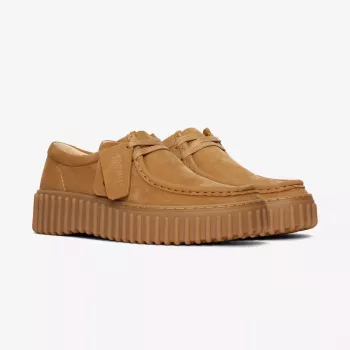
Suede moccasins can feel snug at first, especially across the vamp (top of the foot) and toe box. The safest way to stretch them is slowly, using gentle pressure and short wear sessions so the suede relaxes without losing its shape.
Put the moccasins on indoors with the socks you actually plan to wear. Walk around for 10–20 minutes, then take them off and let them rest. Repeat daily for a few days. This “break-in” method stretches the suede naturally and helps the footbed adjust without overextending seams.
If the tightness is mild, wear thicker socks (or two thinner pairs) and do another short indoor session. Focus on the pressure point—if it’s the instep, flex your foot a few times; if it’s the toe area, take small steps rather than forcing a deep bend that can crease the suede.
A two-way shoe stretcher is ideal when one spot pinches. Insert the stretcher, expand gradually until it feels snug (not strained), and leave it for 8–12 hours. For a problem area like a bunion spot, use a stretcher with “bump” plugs to apply pressure exactly where needed.
Suede and water don’t mix well. If you need a slight assist, use a dedicated shoe stretch spray made for suede, then wear the shoes briefly or use a stretcher. Avoid drenching the moccasins; too much moisture can stain, stiffen, or warp the suede.
If your toes are numb, the heel slips because the upper is overstretched, or you see rippling at the seams, stop stretching. Moccasins should feel secure but not painful. If they’re tight in multiple areas, sizing up or choosing a wider fit is often a better long-term fix.
For more fit and care tips specific to beige suede moccasins, visit the complete guide here: https://gskbuy.com/guide-clarks-womens-beige-suede-moccasins-fit-style-care/.
Yes—use a suede-safe protector spray in light, even coats and let it dry fully. Brush with a suede brush afterward to lift the nap and keep the finish soft.










Leave a comment