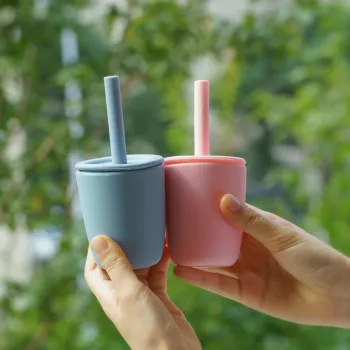
Munchkin straw cups are designed to be leak-resistant, but they’re not always 100% leakproof in real-life use. Many parents find they hold up well in diaper bags and car seats when assembled correctly and used as intended. However, small factors—like the position of the cup, how tightly the lid is screwed on, or wear on the straw valve—can lead to drips or slow leaks over time.
Most Munchkin straw cups rely on a valve or bite-activated straw system that limits liquid flow until a child sips. This helps prevent spills from tipping. That said, pressure changes (like squeezing the cup, temperature shifts, or air pressure during travel) can still push liquid through the straw or around the seal.
If a Munchkin straw cup leaks, it’s often due to one of these issues:
To maximize leak resistance, assemble the cup carefully after each wash, ensure the straw and any silicone gasket are fully inserted, and avoid overfilling. If leaking starts after months of use, replacing the straw/valve parts (when available) can restore performance. For a deeper walkthrough of what makes a straw cup truly no-spill—and how silicone designs compare—visit this guide to leakproof straw cups.
Make sure the lid is screwed on straight and tight, the straw/valve is fully seated, and the cup isn’t overfilled. If silicone parts look stretched or cracked, replacing them often fixes ongoing drips.












Leave a comment