




“Fascia cellulite” usually refers to dimpled skin that looks worse when the connective tissue (fascia) feels tight or stuck, limiting smooth gliding between layers of skin, fat, and muscle. While cellulite can’t be permanently “erased,” you can often improve how it looks and feels by restoring tissue mobility, supporting circulation, and strengthening the muscles under the area. This article explores various methods, including massage techniques, mobility exercises, and strength training strategies to effectively address fascia cellulite and help you fix fascia cellulite.
Incorporating a holistic approach to fix fascia cellulite can lead to better results. You may also want to consult professionals who specialize in fascia treatments to enhance your journey towards fixing fascia cellulite.
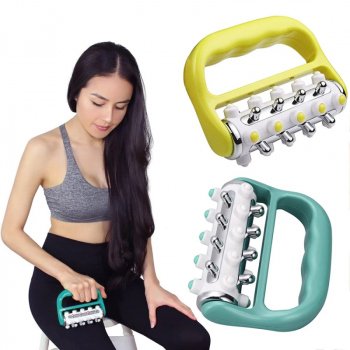
A textured massage roller can help create a temporary smoothing effect by increasing local blood flow and encouraging the tissue layers to move more freely. Roll slowly over the thighs, glutes, and hips for 5–10 minutes, 3–5 times per week. Aim for “productive discomfort,” not sharp pain or bruising. For a step-by-step approach and technique tips, visit this guide to using a textured massage roller for cellulite and fascia release.
Consider integrating various rolling patterns to maximize the benefits of the massage roller. For instance, try rolling in both horizontal and vertical directions to target different muscle fibers. Additionally, you may add gentle pressure with your body weight while rolling to enhance the effect. Many users also report improved relaxation and reduced muscle tension following their rolling sessions, which might contribute to an overall healthier appearance of the skin.
As you engage in mobility exercises, remember that these practices not only help to fix fascia cellulite but also improve your overall body function.
Integrating targeted strength training routines is crucial to effectively fix fascia cellulite and promote a toned appearance.
Pair rolling with simple mobility work to reinforce the new range of motion. Try hip flexor stretches, glute stretches, and gentle lunges. Move slowly and breathe—fascia responds best to steady, sustained input rather than aggressive bouncing. Incorporate yoga or Pilates routines that focus on flexibility and core strength, as these practices can greatly benefit fascia functionality.
For instance, during your stretching routine, hold each position for at least 30 seconds and focus on deep breathing to enhance relaxation and increase blood flow to the fascia. You might also consider foam rolling before stretching to further prepare your muscles and fascia for deeper work. This combination not only aids in improving mobility but also contributes to muscle recovery and overall tissue health.
Building muscle under cellulite-prone areas can make the surface look firmer and more even. Prioritize lower-body moves 2–4 times weekly: squats, hip thrusts, Romanian deadlifts, step-ups, and side-lying leg lifts. Progress gradually by adding reps or resistance. Consider including variations of these exercises to keep your workouts engaging and effective. For example, try sumo squats or Bulgarian split squats to target different muscle groups.
Daily habits can support your journey to fix fascia cellulite and maintain tissue health.
By supporting circulation, you can significantly enhance your efforts to fix fascia cellulite and improve skin health.
Making informed dietary choices can further assist you in your goal to fix fascia cellulite.
Remember that a positive mindset is crucial while you work to fix fascia cellulite.
Moreover, focusing on lower body strength can have long-term benefits beyond aesthetics. Stronger muscles can help support joint stability and improve functional movements in daily life. As you build strength, monitor your results and adjust your program to include heavier weights or more challenging exercises to ensure continued progress.
Track your progress over time to see how your efforts to fix fascia cellulite are impacting your skin’s appearance.
Consider frequent rolling sessions as a strategy to fix fascia cellulite more effectively.
Utilizing the right tools can make all the difference in your quest to fix fascia cellulite.
Consistency is key when using a textured massage roller to fix fascia cellulite effectively.
Cellulite often appears more pronounced when fluid retention and circulation are suboptimal. Daily walking, adequate hydration, and a diet with sufficient protein and fiber can help. If you sit for long periods, stand up and move for 2–3 minutes each hour. Consider incorporating short bursts of activity throughout your day, such as taking stairs instead of elevators or doing calf raises while waiting in line.
Choose products that specifically target fascia cellulite to enhance your results.
Additionally, explore nutritional choices that promote circulation, such as incorporating foods rich in omega-3 fatty acids, antioxidants, and vitamins C and E. These nutrients can help maintain healthy blood vessels and improve skin health, contributing to a smoother appearance of the skin over time.
Many people notice the best cosmetic changes with a consistent routine over 6–12 weeks. Take photos every few weeks in the same lighting to track subtle improvements that are easy to miss day to day. Understand that everyone’s body responds differently to these methods, and while some may see quicker results, others may require more time and patience. It is essential to foster a positive mindset and celebrate small victories along the journey.
Most people do well with 3–5 sessions per week for 5–10 minutes per area. Consistency matters more than intensity, and you should avoid rolling hard enough to cause bruising. If you find certain areas particularly tense, consider adding an extra rolling session specifically targeting those locations to enhance your results.










Leave a comment