
The most accurate digital tire pressure gauges are typically made by companies that publish traceable accuracy specs (often ±1 PSI or better), use quality pressure sensors, and have consistent quality control from unit to unit. In practice, the “most accurate” choice usually comes from reputable automotive tool brands and a model that’s designed for repeatable readings, not just convenience.
Many gauges advertise a high range (like 150 PSI), but accuracy matters more than range. A dependable gauge should clearly state its tolerance (for example, ±1 PSI) and provide stable readings when you check the same tire multiple times.
Even a great sensor can read “wrong” if the head leaks air during measurement. Brands that use better valve chucks and tighter manufacturing tolerances tend to deliver more consistent results, especially on low-profile tires where it’s easy to get an imperfect seal.
Professional-grade manufacturers are more likely to calibrate or at least validate batches. With bargain gauges, two units of the same model can disagree by several PSI, which defeats the point of checking pressure precisely.
Many portable inflators include a digital pressure display that’s “accurate enough” for routine top-offs, but they can be less precise than a dedicated gauge—especially while the compressor is running and pressure is fluctuating. A smart approach is to use an inflator for convenience, then confirm final pressure with a trusted handheld gauge.
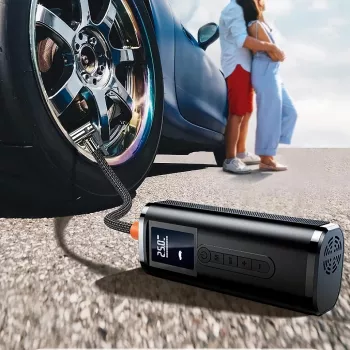
If you’re shopping for an inflator with a digital readout, features like auto shutoff, a stable display, and a good valve connection can help you get closer to your target PSI. For a practical walkthrough of what to prioritize, see this guide to a wireless 150 PSI tire inflator with a digital display and LED light.
To verify a gauge, compare it against a known-good reference (like a quality shop gauge) on the same tire, at the same temperature. Check twice and average the readings. If your gauge is consistently off by the same amount, it may still be usable as long as you account for the offset—consistency is key.
Compare it to a trusted reference gauge on the same tire and repeat the test a few times. If it reads consistently within about 1 PSI of the reference, it’s generally reliable for regular maintenance.












Leave a comment